Bible Prophecy
Understanding the promises of God and learning to live in light of them — a study of the prophetic books, with a chapter-by-chapter walk through Revelation · by Hollis McGehee
Click or tap any Scripture reference to read it in the ESV right here. Select BLB to open it in Blue Letter Bible.
Large Print edition (PDF) — easy to read and print
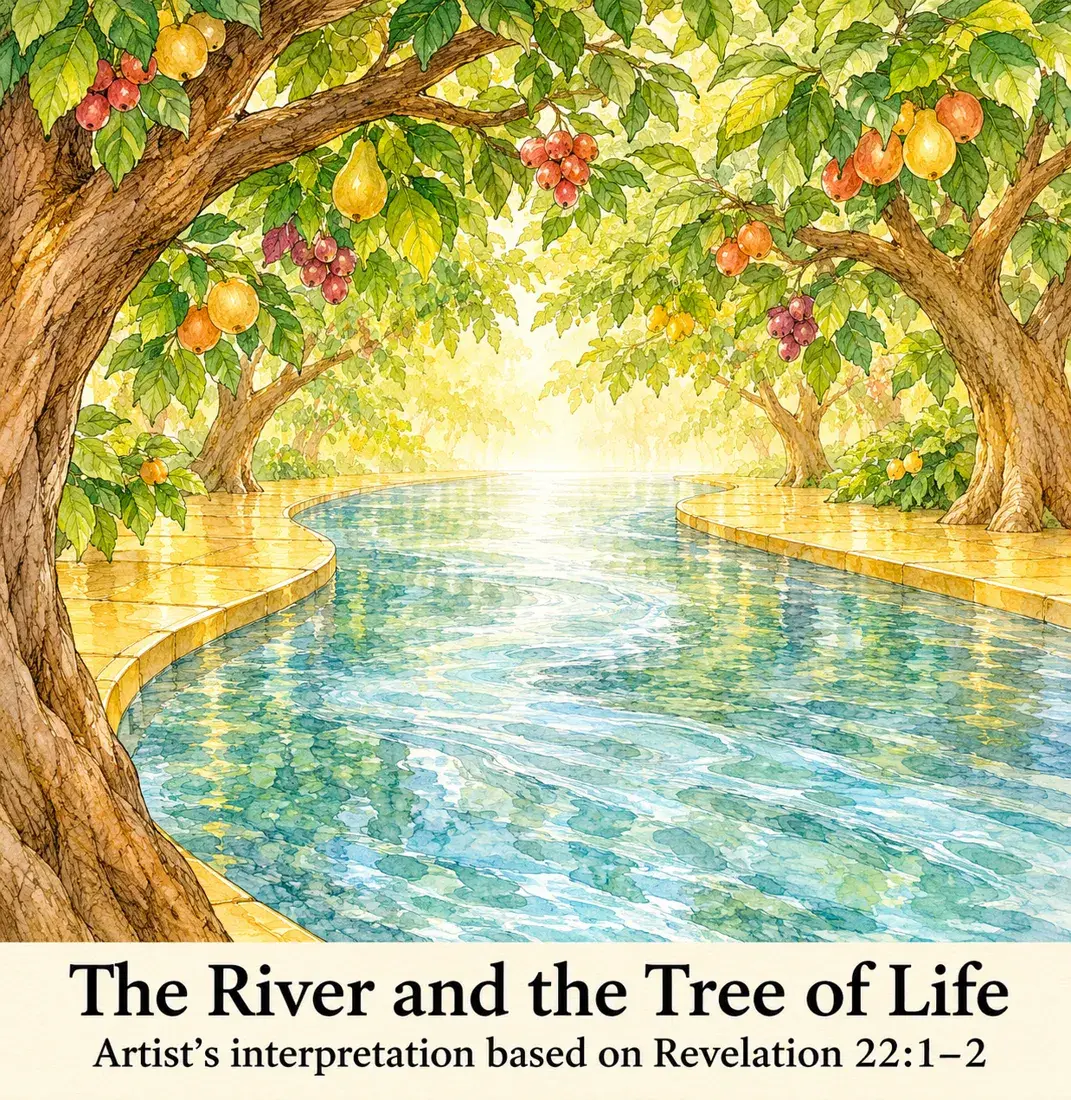
A Word Before We Begin
This is not a scholarly work of theology. It is one ordinary Christian’s effort to understand the prophetic books a little better — without leaning on all the usual labels and systems.
As much as I can, I have tried to let Scripture teach us Scripture: to read a passage, then let other passages shed light on it, holding firmly to what God has made plain and humbly to what He has not.
So open your Bible, take your time, and test everything here against the Word itself. (Acts 17:11 BLB)
Contents
Select a part to go there. Scripture links open the ESV right here on the page; the BLB button opens the passage in Blue Letter Bible.
Part 6, chapter by chapter
Just want to read Revelation?
Skip the study and go straight to the Scripture. Click or tap a chapter to read it right here on this page.
Revelation 1:1–20 Revelation 2:1–29 Revelation 3:1–22 Revelation 4:1–11 Revelation 5:1–14 Revelation 6:1–17 Revelation 7:1–17 Revelation 8:1–13 Revelation 9:1–21 Revelation 10:1–11 Revelation 11:1–19 Revelation 12:1–17 Revelation 13:1–18 Revelation 14:1–20 Revelation 15:1–8 Revelation 16:1–21 Revelation 17:1–18 Revelation 18:1–24 Revelation 19:1–21 Revelation 20:1–15 Revelation 21:1–27 Revelation 22:1–21
Understanding Prophecy Together
An Introduction
Before We Begin – A Candid And Simple Look At The Different Prophecy Positions
Sincere, well-educated and trained Christians, theologians, pastors, and people like us have different thoughts about certain parts of Scripture.
We must first recognize that there is no confusion on God’s part and no error in what God has said to us in His Word. The problem is with us. While the vast majority of people are sincere in their efforts to understand these matters, a small minority seem to enjoy controversy. We know that is not from God, for He is not the author of confusion. (1 Corinthians 14:33)
My Personal Thoughts
There is no one person or group of people who has all the answers. Humility requires me to say, concerning these matters over which there has been much misunderstanding: I don’t have all the answers. I don’t even know all the questions.
What I do know is that Jesus wants us to be one (John 17), and I should never do anything with the goal of disrupting unity in the Body of Christ.
BUT I cannot compromise the Word of God. EVER. For any reason, and certainly not simply to “get along.”
These are core Christian beliefs about which there is largely agreement throughout the various groups: All have sinned and fallen short. God created us for a relationship with Him, but our sin separates us from Him. We need the righteousness of Christ. Jesus, who is God and man, died for our sins and paid for all sin, for all time, for all people. (Those who hold that Christ died only for the elect would say this differently.)
God made a way, fully paid for, that He presents to us as a gift. We are saved by grace alone, through faith alone, trusting fully in the finished saving work of Jesus alone.
The Bible is the Word of God, not merely the words of people.
The way of salvation is laid out clearly in these Scriptures: Romans 3:23; 6:23; 5:8; 10:9–10; Ephesians 2:8–9; John 1:1–4, 14; John 14:1–12; John 3:16.
Speaking only for myself, thinking about what God has called us to do, and taking these Scriptures and others into consideration, I believe I should walk with you, and you with me, with this attitude:
Lord, show us what we need to see. None of us fully understands everything in Your Word or all of Your ultimate will and way. But we do know that we agree with the Scriptures we have just considered.
Let me, let each of us, move forward with humble hearts, continually open to the Holy Spirit revealing additional clarity and truth that is in complete agreement with Your Word.
May none of us seek simply to “be right” in our own eyes. We want Truth. We know Jesus is Truth, and we know the Holy Spirit can and will guide us into all truth.
May we look to Jesus, the Author and Finisher of our faith, and follow the guidance of the blessed Holy Spirit. May we love God above all else and love our neighbors as ourselves.
Give our hearts complete freedom to confess our misunderstandings as we ever and always look to You, LORD, for all things.
Different Ways Christians Understand Prophecy
With that attitude, let’s consider some of the different ways Christians understand prophecy.
We know that Jesus is coming back. But Christians do not all understand the details of prophecy in the same way. They may differ about when events will happen, what some of the pictures mean, and how much has already taken place.
We do not need a collection of complicated labels to begin understanding those differences. Let’s look at what people believe.
These are broad descriptions. People who agree on the main picture may still disagree about some of the details.
Jesus Gathers His People Before a Time of Great Trouble
This is the understanding I hold. Jesus will gather His people to be with Him. Christians who have died will be raised, and Christians who are still alive will be caught up together with them to meet the Lord.
After that, there will be about seven years of extremely difficult times on earth, with terrible suffering and much loss of life. People will still come to faith in Jesus during that time, and many will die because of their faith.
Jesus will then return to earth with His people and defeat the forces gathered against Him at Armageddon. He will reign for a thousand years, and His people will reign with Him. After that will come a final rebellion, judgment, and the new heaven and new earth.
Scripture references: John 14:1–3; 1 Thessalonians 4:13–18; Daniel 9:24–27; Revelation 7:9–14; 16:13–16; 19:11–21; 20:1–15; 21:1–5.
Jesus Gathers His People After the Trouble Has Begun
Some Christians believe Jesus will gather His people during the coming time of trouble. Some understand this to happen near the middle of that period; others place it later, before God’s final wrath. They generally also expect Jesus to return and reign on earth for a thousand years.
Scripture references: Matthew 24:15–31; 1 Thessalonians 4:13–18; 5:1–9; Revelation 6–7; 20:1–6.
Jesus Gathers His People When He Returns After the Trouble
Others believe Christians will remain on earth through the time of great trouble. When Jesus returns, those who have died will be raised and living believers will join them in meeting Him. They understand the gathering of believers and His public return as parts of the same coming. Many who hold this view expect a thousand-year reign on earth afterward.
Scripture references: Matthew 24:29–31; 1 Thessalonians 4:13–18; 2 Thessalonians 1:5–10; Revelation 19–20.
Jesus Is Reigning Now, and His Return Brings Judgment and a New Creation
Some Christians understand the thousand years as a picture of Christ’s present reign rather than a future thousand-year kingdom on earth. They expect suffering and gospel witness to continue until Jesus returns. Then the dead will be raised, judgment will take place, and God will bring His people into the new heaven and new earth.
Scripture references: John 5:28–29; 1 Corinthians 15:23–28; Revelation 20:1–6; 21:1–5.
A Long Period of Widespread Faith Before Jesus Returns
Others believe the gospel will spread so widely that the world will experience a long period of greater faith, righteousness, and peace before Jesus returns. They connect this period with the thousand years, though many do not understand that number as an exact count of years. They then expect Jesus’ return, the resurrection, judgment, and the new creation.
Scripture references: Psalm 72; Isaiah 2:2–4; Matthew 28:18–20; Revelation 20–21.
Another Question: What Time Is Revelation Describing?
Some believe much of Revelation describes events still ahead. Others understand many passages to describe events close to the time it was written. Others see a broad picture of the church’s journey through history, or recurring pictures of the conflict between Christ’s kingdom and evil.
Many Christians see more than one of these: a message for the first readers, truth for believers today, and promises still awaiting fulfillment.
Scripture references: Revelation 1:1–3; chapters 2–3; 12–13; 19–22.
As We Continue
The Scripture references are starting points for reading and study. The disagreements often concern how these passages fit together.
As we continue, let’s keep returning to God’s Word with the prayer we began with: “Lord, show us what we need to see.”
How to use this study
God has given us these promises so that we will know Him, trust Him, and walk in obedience to Him. That is where we want this study to lead. If we can explain a prophecy but keep ignoring what God has plainly told us to do, we have missed something important.
Some passages will take more work than others. Christians who love the Lord and take the Bible seriously have reached different conclusions about the order of coming events. We should hear their reasons, open the Scriptures, and think carefully. We can hold a conviction without acting as though we have answered every question.
I believe Jesus will gather His people before the coming period of tribulation. You will find that view explained here, along with the reasons other Christians understand the passages differently. My own position must be examined by Scripture. It should never decide beforehand what a passage is permitted to say.
We begin with the main terms and the reasons Christians hold different positions. Part 3 explains Revelation’s words and pictures in the order they appear. Part 4 considers how to study with humility, and Part 5 introduces the prophetic books. Part 6 then walks through Revelation one chapter at a time. Return to Part 3 whenever a term needs explaining.
If you want a guided study, begin with Parts 1 and 2, then read the overview in Part 5 before working through Revelation in Part 6. Use Part 3 as a reference when a word or picture needs explaining. Its overlap with Part 6 is intentional: one explains the terms, while the other follows each chapter’s message and application.
Keep your Bible open. Read the passage and its setting before the explanation. The Word of God is our authority. The Scripture links open the English Standard Version; explanations are paraphrases unless quotation marks indicate otherwise. We will distinguish what Scripture directly identifies from what we infer or still debate.
How to use the illustrations. Each picture is an artist’s interpretation based on the cited passage. Scripture supplies the message; the artist supplies choices such as composition, color, and details the passage leaves undescribed. Some pictures show only part of a vision. Read the passage and caption together, and do not treat an artistic detail as an additional biblical fact.
Revelation blesses those who read, hear, and keep its words (Revelation 1:3 BLB). Let us come with that purpose. What does God show us here? What does He call us to change? What promise can we carry into the week ahead? We want to understand, and we want willing and obedient hearts.
Part 1 Words We Need to Understand
Before we work through the passages, let’s make sure we understand the words people use when they discuss prophecy. Sometimes two Christians seem to disagree because they are using the same word in different ways. At other times the disagreement is real, and we need to know what question we are trying to answer.
Our purpose is to understand what God has said and respond to Him. We can learn a set of terms and still miss what He is asking of us. As we read, let’s keep asking, What did this mean to the people who first heard it? What does the rest of Scripture help us see? How should we live because this is true?
Prophecy and the prophet
Prophecy is a message God makes known through a person He has called to speak for Him. It can announce something that will happen, but it also addresses what people are doing now. The prophets exposed sin, called people back to God, warned of judgment, and gave hope grounded in His promises. Read Isaiah 1:10–20 BLB alongside Isaiah 9:1–7 BLB. Both are prophecy, although one passage confronts the people’s present conduct and the other looks ahead to the promised King.
A prophet is someone God appoints to deliver His message. In Jeremiah 1:4–10 BLB, the authority belongs to God, who calls Jeremiah and gives him the words to speak. In 2 Peter 1:20–21 BLB, we learn that the prophetic message did not originate in human will. God spoke through people by the Holy Spirit. A prophet’s authority therefore did not come from having a forceful personality or making an impressive prediction.
Scripture also tells us to test claims to speak for God. Deuteronomy 13:1–5 BLB warns that even a sign does not make a message trustworthy if it leads people away from Him. Deuteronomy 18:20–22 BLB addresses false predictions. In the New Testament, prophetic speech is to be weighed rather than accepted without examination (1 Corinthians 14:29 BLB; 1 Thessalonians 5:19–22 BLB). Christians disagree about how the gift of prophecy operates today. That separate discussion does not change our responsibility to submit every claim to Scripture.
Some prophetic warnings call people to repent and describe what will happen if they persist in sin. Jeremiah 18:7–10 explains that God may withhold an announced judgment when a nation turns from evil. Nineveh is an example (Jonah 3:4–10). That mercy does not make God’s warning false. We must read the conditions and purpose of a prophecy, rather than treat every warning as an unconditional prediction.
Prophetic literature
Prophetic literature is writing that preserves these messages and the accounts surrounding them. It includes sermons, poetry, visions, prayers, and actions that illustrate God’s message. Ezekiel sometimes acted out God’s message, and Jeremiah recorded events from his ministry. What these prophets did and experienced helps us understand God’s message, along with their predictions. We need to recognize what kind of writing we are reading rather than treating every sentence as an item on a future timetable.
Some prophecy is called apocalyptic literature. The word concerns an uncovering or revealing. Daniel 7–12 BLB and much of Revelation use vivid visions to show what God is doing and where history is going. Beasts, horns, numbers, and heavenly scenes often carry meanings explained by the text or drawn from earlier Scripture. In Daniel 7:17 BLB, for example, the beasts represent kings. Recognizing that symbol helps us understand the real kingdoms being described.
Studying the last things includes Christ’s return, resurrection, judgment, and the life to come. It is part of studying prophecy, but prophecy covers more than the end of history.
Keep the different questions separate
Keep three questions separate. How does a prophecy relate to history? When are believers gathered to Christ in relation to tribulation? How does Christ’s return relate to the reign described in Revelation 20 BLB?
Two Christians may both expect many prophecies to be fulfilled in the future and Christ to return before the thousand-year reign, yet disagree about whether believers are gathered before or after the tribulation. Agreement on one question does not settle the others. We must examine the Scriptures to determine whether each teaching is true.
Approaches to interpreting prophecy
Some Christians understand a substantial part of end-time prophecy, especially Revelation’s final judgments, as describing events still ahead of us. This does not mean every biblical prophecy is unfulfilled. They also recognize fulfilled prophecies concerning Jesus’ first coming and many events in Israel’s history.
Other Christians emphasize fulfillment in the past. In discussions of Matthew 24 BLB and Revelation, the focus is often the first century, including Jerusalem’s destruction in AD 70 and the conflict between the early church and Rome. Two substantially different conclusions must be distinguished.
Some believe many end-time passages have already been fulfilled while still expecting Christ’s future bodily return, the resurrection of the dead, and final judgment. They disagree about how much of Matthew 24 BLB and Revelation belongs to the first century.
Others place all the central end-time fulfillments in the past, usually in connection with AD 70, including what other Christians expect as the future return and resurrection. Those who hold this understanding differ over how to explain those events. This creates a substantial disagreement with historic Christian creeds, which confess Christ’s coming again and the resurrection still to come. We should describe that disagreement accurately and speak respectfully about the people who hold the view.
Some read Revelation’s visions chiefly as pictures of the recurring conflict between God’s kingdom and evil throughout this age. The beast, for example, can show us the character of power that demands allegiance against God. Many interpreters combine this approach with recognition of first-century events and a final future fulfillment. Reading the visions this way need not deny Christ’s future bodily return.
Others understand the visions as unfolding across a long span of history from the biblical writer’s time toward the end. Particular images are associated with successive kingdoms, movements, or periods in the church’s history. Matching visions to successive historical periods is different from simply considering a passage’s historical background, which every careful reader should do.
Tribulation and great tribulation
Tribulation means trouble, distress, or affliction. Jesus told His disciples that they would face trouble in the world (John 16:33 BLB). Paul taught believers to expect hardship as they followed Christ (Acts 14:22 BLB), and John described himself as sharing his readers’ tribulation (Revelation 1:9 BLB). The word by itself does not always refer to one final period.
Great tribulation describes especially severe distress. Jesus uses the expression in Matthew 24:21 BLB, in the setting of His warning about the abomination of desolation. Revelation 7:14 BLB also speaks of a great multitude who have come out of great tribulation. Christians differ over whether these passages point principally to first-century suffering, the church’s suffering across the age, a final crisis, or related fulfillments.
The day of the Lord is a biblical expression for God’s decisive intervention in judgment and salvation. Its setting may concern judgment on a particular people or look toward the final judgment and renewal (Joel 2:1–13; 1 Thessalonians 5:1–11; 2 Peter 3:10–13). It should not automatically be treated as another name for every use of tribulation.
In one common understanding, the Tribulation is a future seven-year period and the Great Tribulation is its especially severe latter half. The seven years come from understanding the last of Daniel’s seventy ‘weeks’ as a seven-year period and relating Daniel 9:24–27 BLB to other passages. The three-and-a-half-year references include Daniel 7:25 BLB; 12:7; Revelation 11:2–3 BLB; 12:6, 14; and 13:5. These connections require interpretation. No single verse states the complete seven-year scheme in those words, and some teachers use Great Tribulation for the whole period.
Daniel’s seventy weeks. Daniel 9:24–27 describes seventy units of seven concerning Daniel’s people and holy city. Many Christian interpreters understand these as units of seven years. Some interpreters place a gap before the final seven years; others connect the final week more closely with Christ’s first coming and Jerusalem’s judgment. The identity of the one making the covenant in verse 27 is also disputed. Read the whole passage before placing its final week on a timeline.
The rapture and its timing
Rapture refers to believers being caught up to meet the Lord. Let’s read 1 Thessalonians 4:13–18 BLB. Paul is comforting Christians who have lost fellow believers to death. The dead in Christ will rise, and living believers will be gathered with them to the Lord. In 1 Corinthians 15:51–53 BLB, Paul describes the transformation of living believers. The word rapture comes from the Latin translation of ‘caught up’ in 1 Thessalonians 4:17. It names the event described in that verse, when believers are caught up to meet the Lord in the air. When this happens in relation to the tribulation is a separate question.
The main timing views are these:
- Some place this gathering before the future Tribulation. They usually understand the gathering of the church and Christ’s public coming to earth as distinct stages of His return.
- Others place it at the midpoint of the seven years, before the especially severe final half.
- Others place it after the tribulation, as part of Christ’s public return. Believers meet Him as He comes.
- Another understanding places it after the onset of severe persecution by the Antichrist but before God’s climactic wrath. It commonly places the gathering in the latter part of the seven years without equating it with the midpoint.
These proposed sequences generally assume a future period of tribulation. Christians who understand the tribulation differently may affirm the gathering in 1 Thessalonians 4 BLB without placing it on this seven-year timeline. So we should ask what someone means if they say they do or do not believe in the rapture.
The millennium
Millennium means a thousand years. The discussion comes especially from Revelation 20:1–10 BLB, where Satan is bound and Christ’s people reign with Him.
Some Christians believe Christ returns before the thousand-year reign. Most who hold this understanding expect a future reign of Christ on earth lasting a thousand years. They differ about the gathering of believers and the relationship between Israel and the church.
Others understand the thousand years symbolically as Christ’s present reign, with His people sharing in that reign, before His final return. They expect His return to bring the final judgment and the completed new creation, rather than a separate earthly thousand-year reign between them.
Others expect the gospel’s work, through God’s power, to bring a long period of widespread righteousness and peace before Christ returns. They often understand the thousand years symbolically. Their hope is that Christ will greatly extend His kingdom’s influence in history through the gospel.
The disagreement concerns the meaning and timing of Revelation 20 BLB. Christians in all these positions can affirm that Jesus already reigns and that His kingdom will be fully revealed.
Part 2 Why Christians Hold These Views
Let’s look at why Christians reach these different conclusions. Understanding someone’s reasoning helps us examine Scripture more carefully. We should listen fairly, then ask how well the explanation fits the passages. That does not require us to find every interpretation equally convincing.
The church and ministry examples below are representative. A teacher’s view does not automatically describe everyone in that teacher’s denomination. Some churches include several positions within their confession of faith.
Some Christians understand God’s dealings with humanity through distinct periods of responsibility. In discussing prophecy, they commonly distinguish Israel and the church and expect God to fulfill His promises to Israel. Others emphasize the unity of God’s saving purpose through His covenants. These broader approaches influence how Christians read prophecy, but neither emphasis answers every question by itself.
Why expect substantial fulfillment still to come
Dallas Theological Seminary is an evangelical institution that understands God’s dealings through distinct periods of responsibility and distinguishes Israel and the church. It and the Assemblies of God, a Pentecostal body, both expect a future tribulation and Christ’s coming to establish His thousand-year reign. Their wider theological commitments are not identical.1
Why does this reading persuade people? They see descriptions of judgment, Christ’s victory, and the renewal of creation that appear to go beyond anything history has yet seen. Revelation 19:11–21 BLB and 21:1–5 are especially important. Daniel 12:1–3 BLB connects severe distress with resurrection. They believe we should allow for an actual future fulfillment of these promises.
A question they must address is how these visions spoke to the churches that first received Revelation. The book says the time is near and calls those churches to respond (Revelation 1:1–4 BLB; 22:10). A responsible reading that expects future fulfillment must explain that language and the original setting. It should also resist identifying each new headline as the certain fulfillment of a symbol.
Why connect many passages with the first century
Some Reformed teachers connect many end-time passages with the first century while still expecting Christ’s future bodily return and the resurrection. R. C. Sproul defended this understanding and rejected the claim that all these fulfillments were already past. His position does not describe every Reformed church.2
Its strongest starting point is Jesus’ actual conversation with His disciples. In Matthew 24:1–3 BLB, they are looking at the temple and asking about its destruction. Jesus gives instructions involving Judea and speaks of “this generation” (Matthew 24:15–20, 34 BLB). Those who read the passage this way understand that phrase to mean the generation He was addressing, and connect much of this with Jerusalem’s destruction in AD 70. Other readers dispute the scope of the phrase and of the events it includes. Revelation’s statements about nearness also matter to them (Revelation 1:1–3 BLB; 22:6–10).
The difficult question is where a passage moves beyond that first-century setting. How should we understand the Son of Man’s appearing and the gathering of His elect in Matthew 24:29–31 BLB? When does judgment language describe a historical judgment, and when does it describe the final return? A proposed first-century fulfillment must account for the whole passage. Interpretations that place much of Revelation before AD 70 also need to address the disputed date of the book.
Whether Christ’s promised return has already happened
Some ministries, including the International Preterist Association, argue that Christ’s promised return and the end-time resurrection were fulfilled in the first century. Their concern is to take the New Testament’s time statements seriously.3
The problem is larger than the timing of the rapture. Historic Christian belief looks forward to Christ’s personal return and the resurrection of the dead. Acts 1:9–11 BLB connects His coming with the Jesus who ascended, and 1 Corinthians 15:20–26, 42–54 BLB connects our resurrection with His bodily resurrection and the defeat of death. The Nicene Creed preserves this future hope.4 We can recognize the questions these teachers raise without treating their conclusion as equivalent to expecting a future bodily return while recognizing earlier fulfillments, or as a minor timetable difference.
Recurring patterns and particular events
Vern Poythress, a Reformed interpreter, begins with recurring patterns while also recognizing the first-century setting and a final crisis at Christ’s return. His reading deliberately brings these elements together.5
This approach helps readers see why Revelation speaks to believers in many times and places. Political power can demand worship; wealth can draw hearts away from God; faithful Christians can suffer for refusing to compromise. Revelation 13 BLB and 18 expose these dangers, and Revelation 12:10–11 BLB shows the basis of the believers’ victory.
The main question is whether the reading gives enough weight to particular events. Revelation does more than describe an endless struggle. Evil is finally judged, the dead are raised, and God makes all things new (Revelation 20:11–21:5 BLB). A careful reading that emphasizes recurring patterns, whether on their own or alongside particular events, needs to preserve that movement toward a real conclusion.
Visions unfolding across the centuries
Reading Daniel and Revelation as visions unfolding through successive historical periods was important in Protestant interpretation after the Reformation and remains characteristic of Seventh-day Adventist interpretation. The Adventist Biblical Research Institute expressly describes this approach.6
The strongest simple reason is that Daniel itself describes a succession of kingdoms leading toward God’s everlasting kingdom (Daniel 2:31–45 BLB; 7:17–27). Those who read the visions this way see that as a pattern for understanding the long sweep of prophetic history. They want believers to recognize God’s rule throughout the centuries.
The challenge is showing that each proposed historical match is actually established by the passage. Interpreters have disagreed over which event belongs to which symbol. A reading can also become too centered on one region’s church history. The text must guide the identification; a striking resemblance by itself is not enough.
Why expect believers to be gathered before the tribulation
This view is clearly taught by Dallas Theological Seminary and in the Assemblies of God’s position paper on the rapture. It is also found in many churches and ministries that understand God’s dealings through distinct periods and distinguish Israel and the church.1,7 Its modern spread is closely associated with John Nelson Darby and the nineteenth-century Brethren movement, and later with the Scofield Reference Bible.16
An important reason is the promise that believers are delivered from the coming wrath. Read 1 Thessalonians 1:10 BLB and 5:9, then Revelation 3:10 BLB. Those who expect this gathering before the tribulation understand the coming hour of testing as a period from which Christ will remove His church. They distinguish this judgment from the suffering Christians experience throughout the present age.
Another reason is the expectation that Christ may gather His people at any time. Passages such as Philippians 3:20 BLB and Titus 2:13 BLB describe Christians waiting for Him. These teachers understand that expectation as fitting a gathering before the required signs of the final tribulation.
Many also connect Daniel’s seventieth week particularly with Israel and Jerusalem, since Daniel 9:24 BLB identifies the people and city in view. They distinguish God’s purposes for Israel during that period from His gathering of the church. That distinction should not be taken to mean that Jewish and Gentile people are saved through different means. Salvation is through Christ (Romans 10:9–13 BLB).
What questions must this position answer? No passage says in one sentence that the church will be caught up seven years before Christ’s public return. The conclusion comes from relating several passages. Other Christians ask whether protection from God’s wrath necessarily means removal from the earth; John 17:15 BLB shows that being kept from evil can involve protection while remaining in the world. They also point to the gathering after tribulation in Matthew 24:29–31 BLB and the discussion of Christ’s coming and our gathering in 2 Thessalonians 2:1–4 BLB.
Those who expect the gathering before the tribulation offer answers involving the audience, purpose, and sequence of these passages. We should examine those answers directly. The absence of the word church from parts of Revelation, by itself, cannot establish a complete rapture timetable.
Why expect the gathering at the midpoint
Those who place the gathering at the midpoint point to the change at the middle of Daniel’s final week (Daniel 9:27). Gleason Archer defended this timing in the earlier edition of Three Views on the Rapture.8
The view places the gathering of the church before the especially severe final half. Some advocates connect the last trumpet of 1 Corinthians 15:52 BLB with the seventh trumpet in Revelation 11:15 BLB.
The main difficulty is demonstrating those connections. Does Paul’s last trumpet refer to the same trumpet in John’s vision? Does Revelation place that trumpet at the midpoint? Neither identification follows simply from the word trumpet. The position needs to establish its sequence from the passages rather than assume it.
Why expect the gathering after the tribulation
Some Christians who expect Christ’s return before a future thousand-year reign also expect believers to be gathered after the tribulation. John Piper explicitly argues for this timing, and Douglas Moo presents it in Three Views on the Rapture.9 Many Christians who understand the thousand years as Christ’s present reign also expect the gathering as part of His final return, although their understanding of Revelation 20 differs.
Its strongest simple argument is the sequence in Matthew 24:29–31 BLB: tribulation is followed by the Son of Man’s appearing and the gathering of His elect. Those who expect the gathering after the tribulation connect this with 1 Thessalonians 4:16–17 BLB and 2 Thessalonians 2:1–4 BLB. They understand the gathering and Christ’s public arrival as parts of the same event.
They also observe that Scripture repeatedly prepares the church to endure suffering. In their reading, deliverance from God’s wrath can mean that His people are protected from condemnation and preserved through judgment, even while they face persecution. Believers in Revelation overcome through faithfulness, sometimes at the cost of their lives (Revelation 12:11 BLB; 13:7–10).
Questions remain. How should this view understand the promise about the hour of testing in Revelation 3:10 BLB and passages emphasizing readiness for Christ? For those who expect a future thousand-year reign after Christ’s return, another question concerns who enters the millennium in ordinary mortal life if all surviving believers are transformed at Christ’s arrival. Teachers who hold this timing offer different answers. These details deserve attention rather than being waved aside.
Why expect the gathering after persecution but before God’s wrath
Alan Hultberg presents another understanding of the gathering in the revised Three Views on the Rapture.10 It distinguishes the Antichrist’s persecution of believers from the subsequent outpouring of God’s wrath.
Advocates connect the distress and cosmic signs in Matthew 24:21–31 BLB with the sixth seal in Revelation 6:12–17 BLB. They understand the gathering as following severe persecution but preceding the climactic divine judgment. This aims to account for both the church’s suffering and the promise of deliverance from wrath.
The main question is whether Scripture establishes that precise dividing point. Revelation 6:16–17 BLB names the coming of wrath, but interpreters disagree about its relationship to the earlier seals and later judgments. The view also depends on how the sequences in Matthew and Revelation fit together. This proposed gathering follows severe persecution and precedes God’s climactic wrath; it is not necessarily placed at the midpoint of the seven years. These are different proposed sequences.
Why expect Christ’s return before the thousand-year reign
The expectation that Christ returns before a future thousand-year reign has early Christian witnesses. Justin Martyr describes a future thousand-year reign in Dialogue with Trypho, chapters 80–81, while acknowledging that other Christians disagreed. Modern examples include the Assemblies of God and Dallas Theological Seminary, which understands God’s dealings through distinct periods of responsibility and distinguishes Israel and the church.11,1
The clearest argument is the apparent sequence of Revelation 19–20 BLB. Christ appears in victory; Satan is then bound; the saints live and reign; and a later rebellion and judgment follow. These readers generally understand the first resurrection in Revelation 20:4–6 BLB as bodily resurrection and the reign as a future stage in God’s purposes.
They also see promises such as Isaiah 11:1–10 BLB and Zechariah 14 BLB as pointing to Christ’s rule over the earth. Among those who expect Christ to return before a future reign, some particularly emphasize the fulfillment of promises made to Israel and distinguish Israel and the church within their broader understanding of God’s purposes. Others expect the future reign without adopting that same framework. This question about the timing of Christ’s return is separate from whether prophetic visions trace successive periods of history.
The main questions concern the relationship between Revelation’s visions and other biblical passages. Must Revelation 20 BLB follow chapter 19 chronologically, or does it revisit an earlier period? How do separated resurrections fit passages such as John 5:28–29 BLB? How do the mortal conditions described in some prophetic promises relate to the final new creation? These are questions about how the passages fit together, not whether God can fulfill His promises.
One further distinction is worth knowing: Seventh-day Adventists also place Christ’s return before the millennium, but teach that the redeemed reign with Him in heaven during it. Expecting Christ’s return before the thousand years does not settle every detail of location and sequence.12
Why understand the thousand years as Christ’s present reign
The understanding of the thousand years as Christ’s present reign throughout the church age is the stated position of the Lutheran Church–Missouri Synod and is represented among Reformed churches such as the Orthodox Presbyterian Church. This understanding has an important historical expression in Augustine’s City of God, book 20.13 Roman Catholic teaching likewise affirms Christ’s present reign, rejects the claim that the final fulfillment of the messianic hope can occur within history rather than through God’s final judgment, and expects a final trial before His return. The Catechism presents these teachings in its own terms.17
This view emphasizes that Jesus already reigns (Acts 2:32–36 BLB; Ephesians 1:20–23 BLB). It understands Satan’s binding in Revelation 20:1–3 BLB as a restraint on his ability to keep the nations from the gospel. It does not mean Satan is inactive. Christ has decisively defeated him, and the gospel goes to the nations (Matthew 12:28–29 BLB; John 12:31–32 BLB).
These readers commonly understand the saints’ reign as their life with Christ, especially the reign of departed believers in His presence. They read Revelation as revisiting the same age from different viewpoints. They also point to passages that bring resurrection, judgment, and the end together, including John 5:28–29 BLB and 2 Peter 3:10–13 BLB.
The questions are substantial. Does the strong language of Satan’s confinement describe his present restriction? Should coming to life in Revelation 20:4–5 BLB have the same bodily sense in both verses? Do the Old Testament kingdom promises require a future earthly period before the final state? Those who understand the thousand years as the present reign must answer these questions from Scripture, just as those who expect the reign after Christ’s return must explain their reading of the sequence.
Why expect widespread gospel success before Christ’s return
The expectation of a long era of widespread gospel success before Christ returns has a longstanding place in Reformed discussion and continues among some Reformed and Presbyterian Christians. The Orthodox Presbyterian Church allows this view, the understanding of the thousand years as Christ’s present reign, and the expectation of His return before a future earthly reign, with one qualification. Its published Q&A says that followers of the end-times system taught in the Scofield Reference Bible and by later teachers of that same system may be members, but may not serve as ordained officers. The restriction does not exclude everyone who expects a future earthly reign after Christ returns.14
Those who hold this expectation emphasize the scope of Christ’s authority and the expected success of the gospel. They read Psalm 72:8–19 BLB, Isaiah 2:2–4 BLB, and the growth pictures in Matthew 13:31–33 BLB as grounds for expecting extensive transformation among the nations. The Great Commission is given by the risen Lord who possesses all authority (Matthew 28:18–20 BLB). They expect Him to accomplish far more through that commission than the church may presently see.
In its evangelical form, this hope rests on Christ’s power through the gospel and the Holy Spirit. It should not be reduced to a belief that people naturally improve or that a political movement can create God’s kingdom.
The chief question is whether these passages promise that measure of worldwide faithfulness before Christ’s return, or whether their fullest realization belongs to His return and the new creation. Texts about continuing persecution and final rebellion also need to be included (2 Timothy 3:12–13 BLB; Revelation 20:7–9 BLB). Confidence in the gospel’s power does not by itself settle the timing of the promised peace.
Part 3 The words and pictures of Revelation
This guide moves through Revelation in book order, introducing terms as they appear and returning to important developments. Scripture supplies some identifications directly; others require careful interpretation. Where Christians differ, that is noted. Begin with what the passage actually says, and let Scripture guide the meaning of its images.
The chapter links open the English Standard Version (ESV) for reading alongside this guide. References in each entry identify the passages behind the explanation. Wording differs among translations; an important difference is noted when it affects an entry.
Chapter 1 Jesus and the churches
Read Revelation 1.
Revelation, apocalypse, and prophecy. Revelation means an unveiling or disclosure. Revelation 1:1–3 BLB calls this book both the revelation of Jesus Christ, revealing Him and coming from Him, and a prophecy to be heard and obeyed. Its visions uncover who rules, what evil does, and where God is taking creation. Prophecy includes faithful witness and correction now, as well as things still to come.
John. John is the servant who receives, records, and sends the visions (Revelation 1:1–4, 9 BLB; 22:8). He calls himself the churches’ brother and companion in suffering. Christian tradition identifies him with the apostle John; Revelation itself does not call him the son of Zebedee or explicitly settle the question of which John wrote it.
Angels and messengers. The word translated angel means messenger. Heavenly angels announce judgments, carry out commands, explain visions, and worship God throughout Revelation (1:1; 5:11; 8:2; 17:1). They are servants, never rightful objects of worship (19:10; 22:8–9). The angels addressed in the seven church messages are understood differently; see the seven stars below.
The testimony of Jesus. This phrase concerns Jesus’ witness and the witness borne about Him (Revelation 1:2, 9 BLB; 12:17; 19:10). Its wording can emphasize testimony from Jesus, testimony about Jesus, or their close connection. It explains why John and other believers suffer: their allegiance to Jesus becomes public through truthful, persevering witness.
Blessing and keeping the prophecy. Revelation begins by blessing its reader, hearers, and those who keep its message (1:3). Keeping means receiving it seriously and living faithfully, not merely solving its images. Seven blessing statements appear across the book: 1:3; 14:13; 16:15; 19:9; 20:6; 22:7; and 22:14. The intended fruit includes worship, endurance, readiness, and hope.
Asia and the seven churches. Asia in Revelation 1:4 BLB means the Roman province in what is now western Turkey, not the entire modern continent. The seven churches were actual congregations in named cities (1:11). Their messages also address anyone willing to hear the Spirit. Reading them as seven successive church-history periods is an interpretation, not something the book explicitly states. Historical setting.
The One who is, was, and is to come. This title describes God’s enduring life and sovereign presence (Revelation 1:4, 8 BLB; 4:8). The related title Almighty emphasizes His supreme authority. In 11:17 the thanksgiving stresses that He has taken His power and begun to reign; wording varies among translations.
The seven spirits. Seven spirits stand before God’s throne; later they are seven burning lamps and the Lamb’s seven eyes, sent throughout the earth (Revelation 1:4 BLB; 3:1; 4:5; 5:6). Many Christians understand this as the fullness of the Holy Spirit, with Zechariah 4 BLB in the background. Others understand seven heavenly spirits.
Jesus: faithful witness, firstborn, and ruler. Jesus’ three titles in Revelation 1:5 BLB present Him as truthful in witness, supreme in resurrection life, and ruler over earthly kings. Firstborn here concerns His resurrection and supremacy over the dead, not the beginning of His existence. His resurrection begins the enduring resurrection life His people will share (1 Corinthians 15:20–23). His death and living victory ground the confidence of believers who face powerful rulers and even death.
Blood, redemption, and a kingdom of priests. Jesus frees or washes His people from sin by His blood and makes them a kingdom and priests serving God (Revelation 1:5–6 BLB; 5:9–10). Blood points to His sacrificial death. Priesthood describes belonging to God and serving in His presence; the royal calling later includes reigning with Christ (20:6).
Coming with the clouds and those who pierced Him. Jesus’ coming with clouds recalls Daniel 7:13 BLB; the sight of the pierced one and mourning recalls Zechariah 12:10 BLB (Revelation 1:7 BLB). This publicly reveals His authority. Readers differ over how the mourning relates to repentance and judgment, but the verse stresses that people must reckon with Him.
Alpha and Omega; First and Last. Alpha and omega are the first and last letters of the Greek alphabet. These titles, together with Beginning and End, declare authority encompassing all things (Revelation 1:8, 17 BLB; 21:6; 22:13). God bears the title in 1:8; Jesus speaks as the First and Last who died and lives in 1:17–18.
Patmos. Patmos is a real island in the Aegean Sea, now part of Greece. John says he was there because of God’s word and Jesus’ testimony (Revelation 1:9 BLB). His statement is commonly understood as exile. The setting places this vision amid costly faithfulness. Patmos.
Tribulation and patient endurance. Tribulation means affliction, pressure, or suffering. John already shares it with the churches in Revelation 1:9 BLB; the word does not always name one future period. Patient endurance means continuing in loyalty to Jesus under pressure (2:2–3; 13:10; 14:12). Later references to great tribulation need to be read in their own contexts.
In the Spirit and the Lord’s Day. John receives the opening vision while in the Spirit on the Lord’s Day (Revelation 1:10 BLB). In the Spirit marks God-given visionary experience, also in 4:2; 17:3; and 21:10. The Lord’s Day is commonly understood as the Christian day of worship.
The book John must write and send. Jesus commands John to record what he sees and send it to the seven churches (Revelation 1:11 BLB). Book can also be rendered scroll. This written message is the prophecy the congregations are to hear and keep. God means His people to receive His message together.
Ephesus. Ephesus is the first named city in the seven-church list (Revelation 1:11 BLB). Its church is praised for labor, endurance, and testing false apostles, yet corrected for abandoning its first love (2:1–7). Jesus commands remembrance, repentance, and renewed action.
Smyrna. Smyrna is the second city named (Revelation 1:11 BLB). Jesus calls its materially poor church rich and prepares it for prison and further suffering (2:8–11). He gives no rebuke in this message. The One who died and lives promises life beyond persecution, making Smyrna an especially clear example of faithfulness without earthly comfort.
Pergamum, also called Pergamos. Pergamum is the third city (Revelation 1:11 BLB). Its believers remain loyal where Satan’s throne is said to stand, and Antipas has been killed; nevertheless, some tolerate corrupt teaching (2:12–17). Jesus recognizes their courage while calling them to repent. A hostile environment does not make compromise within the congregation harmless.
Thyatira. Thyatira is the fourth city named (Revelation 1:11 BLB). Its church has growing love, faith, service, and endurance, but tolerates the teacher called Jezebel (2:18–29). Jesus distinguishes her followers from those who reject her teaching. This is a warning against treating genuine spiritual activity as a reason to overlook serious corruption.
Sardis. Sardis is the fifth city (Revelation 1:11 BLB). Its church has a reputation for life while Jesus calls it dead; a few remain faithful (3:1–6). Jesus calls it to wake up, strengthen what remains, remember, obey, and repent. Reputation among people does not substitute for living obedience before Christ.
Philadelphia. Philadelphia is the sixth city (Revelation 1:11 BLB). Despite little strength, its church has kept Jesus’ word and not denied His name (3:7–13). Jesus places an open door before it and promises lasting belonging. There is no rebuke in the message. Its hope rests on His authority.
Laodicea. Laodicea is the seventh city (Revelation 1:11 BLB). Its church considers itself wealthy and self-sufficient, while Jesus calls it poor, blind, and naked (3:14–22). He uses the images of lukewarmness, gold, clothing, and eye medicine to expose its need. His severe correction comes with love, an invitation to repent, and promised fellowship.
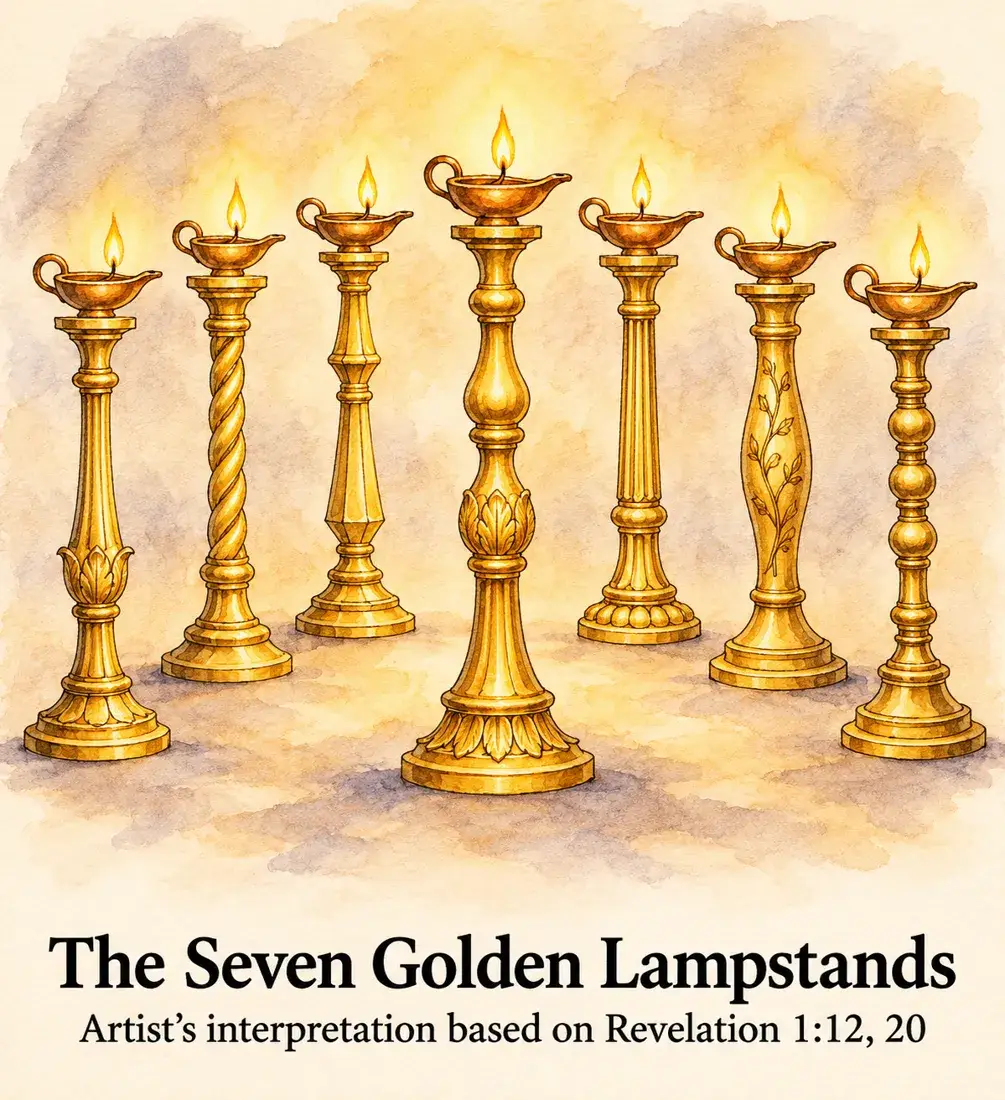
Seven golden lampstands. Jesus explicitly identifies the seven lampstands as the seven churches (Revelation 1:12–13, 20 BLB). His position among them shows His presence and oversight. The warning that Ephesus may lose its lampstand is therefore a serious warning about its standing as a church (2:5).
One like a son of man. The figure among the lampstands is identified by His words as the risen Jesus (Revelation 1:13, 17–18 BLB). The description recalls Daniel 7:13–14 BLB, where a humanlike figure receives lasting dominion. The title reveals Jesus’ heavenly authority.
Robe, sash, white hair, fiery eyes, and shining feet. Jesus’ appearance communicates majesty, holiness, penetrating knowledge, and strength (Revelation 1:13–16 BLB; 2:18, 23). His white hair recalls Daniel’s Ancient of Days (Daniel 7:9 BLB), while other features echo Daniel 10:5–6 BLB. Together, the features show the glory and authority of the One who knows His churches.
Trumpet-like voice, many waters, and sunlike face. John describes Jesus’ voice as overwhelming and His face as brilliantly radiant (Revelation 1:10, 15–16 BLB). These comparisons communicate authority and glory. The trumpet comparison describes His commanding voice. Similar sounds later accompany heavenly worship and divine announcements.
Seven stars and the angels of the churches. The seven stars in Jesus’ right hand are explicitly identified as the angels of the seven churches (Revelation 1:16, 20 BLB). Whether these are heavenly representatives, human messengers, or church leaders is debated. What is clear is that they are in Christ’s hand and that His messages hold the churches responsible to hear and obey.
The sword from Jesus’ mouth. A sharp, two-edged sword comes from Jesus’ mouth (Revelation 1:16 BLB; 2:12, 16; 19:15, 21). The image connects His speech with searching authority and effective judgment. Victory comes through His authoritative word. The churches are called to faithful endurance, not commissioned to imitate the vision with physical violence.
Keys of Death and Hades. Jesus holds the keys of Death and Hades because He died and now lives forever (Revelation 1:18 BLB). Keys signify authority to open and shut. Hades is the realm of the dead, not simply another name for the final lake of fire: Death and Hades are themselves thrown into that lake in 20:13–14.
Things seen, things present, and things to come. Jesus tells John to write what he has seen, what now is, and what will happen afterward (Revelation 1:19 BLB). Many readers see an outline: the opening vision, the churches’ present condition, and later events. Others understand the command more broadly. Either way, it anchors the prophecy in what Christ reveals about the present and future, rather than John’s private speculation.
Mystery. A mystery is something whose meaning must be disclosed. Jesus explains the mystery of the stars and lampstands (1:20); an angel later explains the woman and beast (17:7). Some matters, such as the seven thunders, remain unrevealed (10:4).
Chapter 2 Faithfulness and compromise
Read Revelation 2.
False apostles and first love. Ephesus rightly tests people claiming apostolic authority, but has abandoned its first love (Revelation 2:2–5 BLB). Their former love must be restored through repentance and renewed deeds. Rightly rejecting false teaching must go together with genuine love.
Nicolaitans. The Nicolaitans are a group whose deeds Jesus condemns at Ephesus and whose teaching some accept at Pergamum (Revelation 2:6, 15 BLB). The surrounding passage associates compromise with idolatrous food and sexual immorality. Revelation does not identify their founder or give a complete creed.
The Spirit speaking and the one who overcomes. Each church message calls listeners to hear what the Spirit says and gives a promise to the one who overcomes (Revelation 2:7–3:22 BLB). Overcoming means remaining faithful to Jesus, not avoiding hardship or acquiring power. Revelation 12:11 BLB shows victory through the Lamb’s blood and truthful witness even when believers lose their lives.
Tree of life and Paradise. Jesus promises access to the tree of life in God’s Paradise (Revelation 2:7 BLB). The image recalls Eden, where humanity lost access to that tree (Genesis 2:9 BLB; 3:22–24). Revelation 22:1–3, 14 BLB pictures restored life in God’s presence, with abundant fruit and healing leaves. Paradise expresses God-given life and fellowship.
Satan, the devil, and the synagogue of Satan. Satan and the devil name the great spiritual opponent, later explicitly identified with the dragon and ancient serpent (Revelation 2:9–10 BLB; 12:9). The severe synagogue language concerns particular opponents in Smyrna and Philadelphia (3:9). It must not be turned into a judgment against all Jewish people or a license for antisemitism; the book draws deeply on Israel’s Scriptures.
Ten days and the crown of life. Smyrna is warned of ten days of tribulation and urged to be faithful even to death (Revelation 2:10 BLB). Readers differ over whether the number is literal or portrays a limited trial. The promise is a crown of life, a victor’s reward grounded in Christ’s victory.
The second death. The second death cannot harm those who overcome in Christ (Revelation 2:11 BLB). Later Revelation explicitly identifies it with the lake of fire (20:14; 21:8). It is therefore more than ordinary bodily death. Believers may suffer the first death, yet Jesus promises that death does not have the final claim on those who belong to Him.
Satan’s throne. Jesus describes Pergamum as the place where Satan’s throne is and where Satan dwells (Revelation 2:13 BLB). The phrase points to powerful opposition to God in that setting. Specific identifications with an altar, an imperial cult center, or the city’s broader religious-political life are historical proposals; Revelation does not name a particular building.
Antipas. Antipas is Jesus’ faithful witness who was killed among the believers in Pergamum (Revelation 2:13 BLB). He is a named example of costly loyalty. Revelation gives no account of his occupation or manner of death. His brief mention assures us that Jesus knows His faithful witnesses by name.
Balaam, Balak, and the stumbling block. Revelation 2:14 BLB recalls Balaam’s role in leading Israel into unfaithfulness under Balak, king of Moab. Numbers 22–25 BLB and 31:16 supply the background. A stumbling block is an inducement to sin. Jesus uses this earlier story to expose contemporary teachers who make accommodation to idolatry and sexual immorality sound acceptable.
Food offered to idols and sexual immorality. These practices appear together in the warnings to Pergamum and Thyatira (Revelation 2:14, 20 BLB). In context, they express participation in corrupt worship and conduct. Sexual language later also portrays disloyalty to God on a wider scale (17:1–5).
Hidden manna. The hidden manna promised in Revelation 2:17 BLB recalls the food God supplied Israel in the wilderness (Exodus 16 BLB), including the portion kept as a memorial. The promise portrays God’s sustaining provision for faithful people.
White stone and new name. Jesus promises a white stone bearing a new name known to its recipient (Revelation 2:17 BLB). Proposed backgrounds include welcome, acquittal, and victory, but Revelation does not choose among them. The central assurance is a personal gift and recognized belonging from Christ.
Jezebel, her children, and deep things of Satan. Jezebel is the name given to a self-described prophetess whose teaching corrupts Thyatira (Revelation 2:20–24 BLB). It recalls the earlier queen associated with idolatry and persecution (1 Kings 16:31 BLB; 18:4). Whether it is this teacher’s actual name is unstated. Her children likely means followers, and the supposed deep knowledge is exposed as destructive deception.
Iron rod and broken pottery. Jesus promises the faithful a share in His authority over the nations, using Psalm 2:8–9 BLB‘s image of an iron rod and shattered pottery (Revelation 2:26–27 BLB). The same language describes the male child and returning Christ (12:5; 19:15). It portrays decisive royal authority under Jesus, not permission for believers to coerce people now.
The morning star. The morning star is promised to the conqueror at Thyatira (Revelation 2:28 BLB). Jesus later explicitly calls Himself the bright Morning Star (22:16), providing the strongest connection for understanding the promise: a share in Him and His victorious life. The image offers hope in the victory and new life He brings.
Chapter 3 Wakefulness and belonging
Read Revelation 3.
Coming like a thief. Jesus warns Sardis that if it will not wake up, He will come like a thief at an unexpected hour (Revelation 3:3 BLB). He repeats thief imagery amid the bowls in 16:15. The comparison emphasizes suddenness and the need to be ready.
White garments and undefiled clothing. Those in Sardis who have not soiled their garments will walk with Jesus in white (Revelation 3:4–5 BLB). White clothing also appears on elders, martyrs, and the great multitude (4:4; 6:11; 7:9). Across these settings it expresses purity, acceptance, and victory. Revelation 7:14 BLB grounds cleansing in the Lamb’s blood rather than human self-purification.
The book of life. Jesus promises to acknowledge the conqueror’s name and never erase it from the book of life (Revelation 3:5 BLB). The book later distinguishes those belonging to the Lamb from beast worshipers and appears at final judgment (13:8; 20:12, 15; 21:27). Traditions differ over what the warning implies about falling away; the immediate promise is strong assurance to the faithful.
The key of David and the open door. Jesus possesses the key of David and opens what no one can shut (Revelation 3:7–8 BLB). Isaiah 22:22 BLB provides the background of authority over the royal household. The image assures Philadelphia that Christ controls access and belonging. The open door is sometimes understood as mission opportunity, but the passage’s emphasis on His authority and admission should remain central.
The hour of testing and earth dwellers. Jesus promises to keep Philadelphia from the coming hour of testing (Revelation 3:10 BLB). Christians differ over whether this means removal before a trial or preservation through it. “Those who dwell on the earth” often describes humanity organized in resistance to God (6:10; 13:8), though context matters; it is not simply a condemnation of everyone physically living on earth.
Pillar, God’s name, and New Jerusalem. Christ promises the conqueror permanent belonging, pictured as a pillar in God’s temple bearing God’s name, the city’s name, and Christ’s new name (Revelation 3:12 BLB). Here New Jerusalem is first named; it descends from God in chapters 21–22. The promise concerns secure identity and fellowship.
The Amen and the beginning of God’s creation. Jesus calls Himself the Amen, the faithful and true witness, and the beginning of God’s creation (Revelation 3:14 BLB). Amen affirms reliability and truth. Here beginning is understood in light of Jesus’ divine identity and authority over creation. He is not a created being: everything that was made came into being through Him (John 1:1–3; Colossians 1:16–17). Revelation likewise presents Him receiving worship with the Father (5:13–14).
Lukewarmness, gold, eye salve, and nakedness. Jesus diagnoses Laodicea’s complacency through several images (Revelation 3:15–18 BLB). Its supposed wealth masks poverty; its confidence masks blindness; its self-sufficiency leaves it exposed. He offers refined gold, white garments, and eye medicine to portray genuine riches, cleansing, and sight.
The knocking Christ, shared meal, and shared throne. Jesus stands at the door and offers fellowship to anyone who hears and opens (Revelation 3:20–21 BLB). These words first address a complacent church. Dining together portrays restored relationship; sharing His throne portrays participation in His victory. He lovingly calls this church to repent.
Chapter 4 The heavenly throne room
Read Revelation 4.
The open door in heaven and “Come up here”. John is invited through an open heavenly door to see what God will show him (Revelation 4:1–2 BLB). This is explicitly an account of John’s vision. Some readers connect it with the church’s future gathering to Christ, but the verse does not itself identify John as the whole church. Its immediate purpose is to direct our attention to God’s throne.
The throne and the One seated on it. God’s throne was already mentioned in Revelation 1:4 BLB; it now dominates the vision (4:2–11). The throne signifies His sovereign rule, while the worship identifies Him as Creator. Earthly events must be understood beneath this greater authority. The Lamb later approaches the One seated there, so the vision distinguishes Them while giving both divine honor (5:7, 13).
Heaven, earth, sea, and under the earth. These terms set the stage of God’s rule. Heaven is presented as His throne room; earth as humanity’s dwelling; sea as part of creation that also becomes a place of threat in the visions; under the earth includes the realm of the dead (Revelation 4:1–2 BLB; 5:3, 13). All stand within His authority.
Jasper, carnelian, and the emerald-like rainbow. The appearance surrounding the throne is described with precious stones and a rainbow (Revelation 4:3 BLB). The scene conveys extraordinary glory; the rainbow may also recall God’s covenant after the flood (Genesis 9:12–17 BLB). Together, the images invite reverent wonder before God.
Twenty-four elders and their crowns. Twenty-four elders sit around the throne in white clothing and golden crowns, which they lay before God in worship (Revelation 4:4, 10–11 BLB). Some understand representatives of God’s redeemed people; others understand a heavenly council. The text leaves their exact identity unstated. Their clear role is to worship, acknowledge God’s worth, and sometimes explain what John sees.
Lightning, thunder, voices, and seven lamps. Lightning and thunder proceed from God’s throne, recalling the awe of Sinai (Revelation 4:5 BLB; Exodus 19:16–19 BLB). The lamps are explicitly identified as the seven spirits of God, introduced in 1:4. Similar storm imagery later accompanies major judgments (8:5; 11:19; 16:18), linking those events to the authority of the heavenly throne.
The sea of glass. Something like a crystal sea lies before the throne (Revelation 4:6 BLB). In 15:2 it appears mingled with fire beside victorious worshipers. The clear expanse displays heavenly splendor and may recall the expanse beneath God’s throne in Ezekiel 1:22–26 BLB. The scene places worshipers before God’s sovereign holiness.
Four living creatures: lion, ox, human, and eagle. Four living creatures surround the throne, full of eyes and possessing six wings (Revelation 4:6–9 BLB). Their features echo Ezekiel 1 BLB and Isaiah 6 BLB; their continuing praise emphasizes God’s holiness. They lead worship and participate in judgments. They are distinct from the hostile beasts of chapters 13 and 17, even though older English translations may use “beasts” for both.
Chapter 5 The Lamb and the sealed scroll
Read Revelation 5.
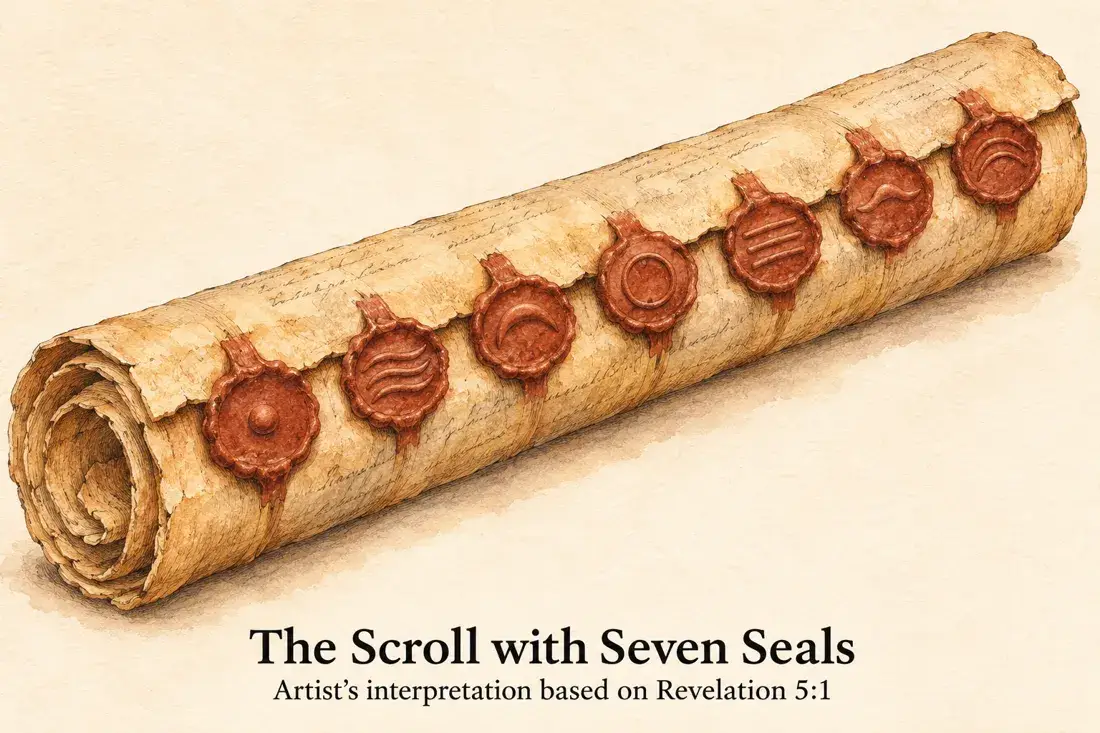
The scroll and its seven seals. The One on the throne holds a scroll written on both sides and sealed with seven seals (Revelation 5:1 BLB). Only the worthy Lamb can take and open it. The scroll concerns God’s purposes as the subsequent visions unfold. Calling it specifically the earth’s title deed is one interpretation; John does not give it that label.
Seven and other repeated numbers. Seven structures the churches, seals, trumpets, and bowls (Revelation 1:4 BLB; 5:1; 8:2; 15:7), often suggesting fullness or completeness. Twelve and its multiples repeatedly accompany God’s people. Such patterns deserve attention, but not every number has a single fixed symbolic meaning. Let the passage explain its number before using arithmetic to construct a timetable.
Lion of Judah and Root of David. The elder announces the victorious Lion from Judah and Root of David (Revelation 5:5 BLB). These royal titles recall Genesis 49:9–10 BLB and Isaiah 11:1, 10 BLB. John then sees a slain Lamb. The surprise teaches us how Jesus conquers: His royal victory cannot be separated from His self-giving death and living presence.
The Lamb standing as though slain. The Lamb is Jesus, whose sacrificial death purchased people for God (Revelation 5:6–10 BLB). He bears the marks of death but stands alive. The image holds together sacrifice, resurrection, and victory. Later He opens seals, shepherds His people, judges evil, and shares God’s throne; His gentleness never means helplessness (7:17; 17:14; 22:1).
Seven horns and seven eyes. The Lamb has seven horns and seven eyes; the eyes are explicitly the seven spirits of God sent into all the earth (Revelation 5:6 BLB). In biblical imagery horns often represent strength or royal power. The full set portrays the Lamb’s complete power and awareness.
Harps, incense bowls, and the prayers of the saints. The living creatures and elders fall before the Lamb in a scene featuring harps and golden bowls of incense; the incense is expressly identified as the prayers of the saints (Revelation 5:8 BLB). Saints means God’s holy people, not only a specially honored class. Their prayers belong in the throne room. In 8:3–5 prayer and judgment are again connected, assuring suffering believers that God hears.
New song, purchased people, and countless angels. Heaven’s new song celebrates what the Lamb has accomplished through His death: people from every tribe, language, people, and nation belong to God (Revelation 5:9–14 BLB). Innumerable angels and all creation join the praise. The scene celebrates His worth and the worldwide reach of His redemption.
Chapter 6 The first six seals
Read Revelation 6.
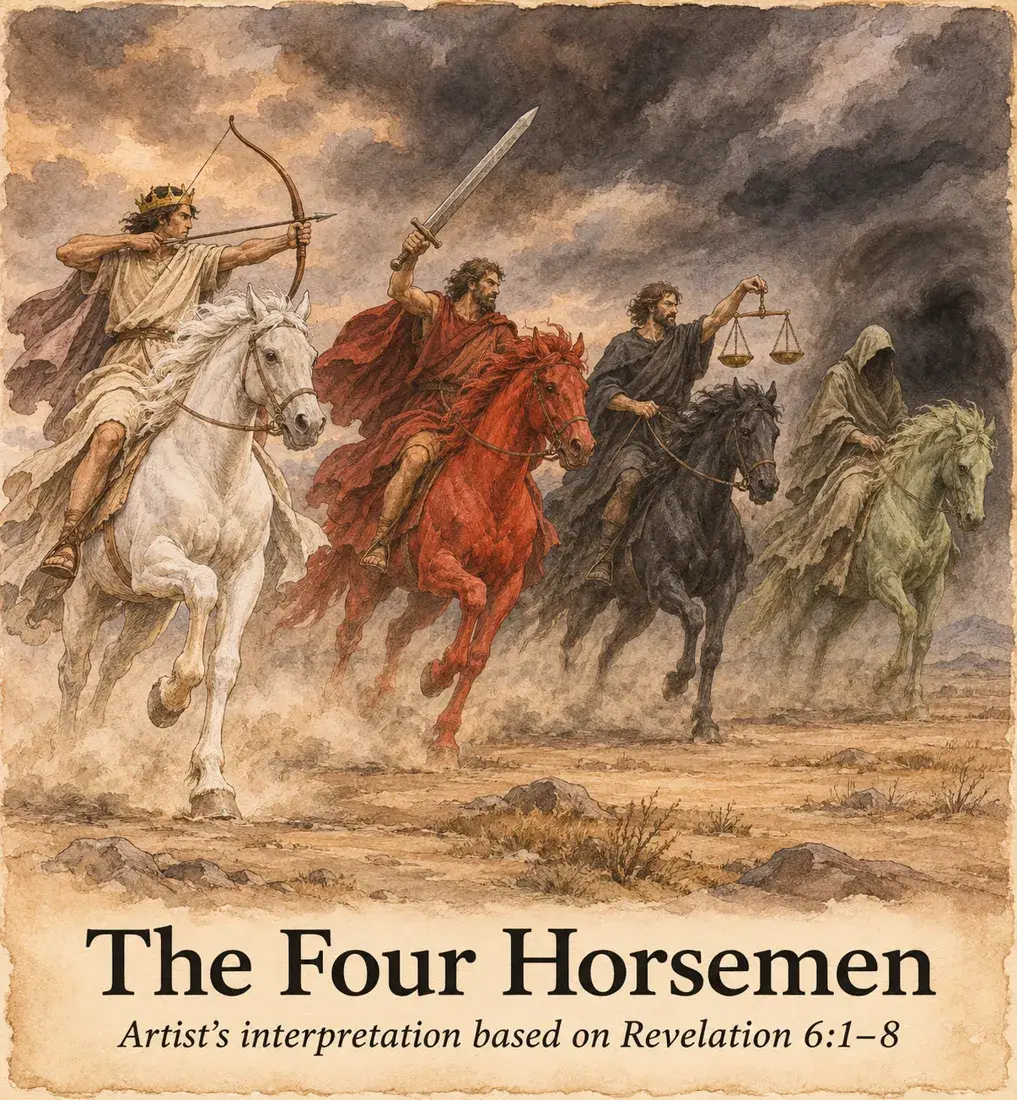
The four horsemen. The first four seals release riders on white, red, black, and pale horses (Revelation 6:1–8 BLB). Together they portray conquest, violence, scarcity, and death under permitted limits. The repeated giving of authority matters: destructive forces do not possess independent sovereignty. Their horse imagery also recalls Zechariah 1:8–11 BLB and 6:1–8, although Revelation develops it differently.
White horse, bow, and conquering rider. The first rider carries a bow, receives a crown, and goes out conquering (Revelation 6:2 BLB). Unlike the rider in 19:11–16, he is not named. Some understand conquest or false victory; others understand Christ or the gospel. His position among destructive riders strongly shapes the first reading. The shared horse color alone cannot prove the two riders are the same.
Red horse and great sword. The second rider takes peace from the earth so that people kill one another, and he receives a great sword (Revelation 6:3–4 BLB). Red fits the bloodshed described. The vision exposes how quickly human security collapses when violence is unleashed.
Black horse, scales, grain, oil, and wine. The third rider carries scales while a voice prices one quart of wheat or three of barley at a denarius, roughly a laborer’s daily wage, and limits harm to oil and wine (Revelation 6:5–6 BLB; compare Matthew 20:2 BLB). The picture is rationing, scarcity, and economic distress. Readers differ about why the oil and wine are spared. The essential warning is that food and livelihood become painfully insecure.
Pale horse, Death, Hades, and a fourth of the earth. The fourth rider is explicitly Death, with Hades following (Revelation 6:7–8 BLB). Sword, famine, plague or death, and wild beasts bring devastation within a stated limit. This resembles the four judgments of Ezekiel 14:21 BLB. The frightening scene also reminds us that Death and Hades remain under Christ’s authority and will ultimately be destroyed (1:18; 20:14).
Souls under the altar and white robes. At the fifth seal John sees people killed for God’s word and their testimony, pictured beneath an altar (Revelation 6:9–11 BLB). The location recalls sacrificial blood poured at an altar’s base. They ask God for justice, receive white robes, and are told to rest. Their deaths have not erased either their identity or God’s concern for them.
Earthquake, darkened sun, bloodlike moon, and falling stars. The sixth seal brings upheaval in earth and sky, with mountains and islands displaced (Revelation 6:12–14 BLB). The language recalls prophetic judgment scenes such as Isaiah 34:4 BLB and Joel 2:31 BLB. Christians differ over how literally each feature will appear. The unmistakable meaning is the collapse of every supposed refuge before God’s arrival in judgment.
The wrath of the Lamb and the great day. People of every rank hide from the enthroned God and the Lamb, asking who can stand in the great day of Their wrath (Revelation 6:15–17 BLB). Wrath is God’s holy opposition to evil, not uncontrolled irritation. Chapter 7 answers the question by showing people marked as His and redeemed by the Lamb standing before the throne.
Chapter 7 God knows and keeps His people
Read Revelation 7.
Four corners, four winds, and the angel from the east. Four angels restrain the earth’s winds while another rises from the sunrise bearing God’s seal (Revelation 7:1–3 BLB). Four corners is ordinary all-directions imagery, not a lesson on the planet’s shape. The pause before harm shows divine restraint and concern for His servants. Judgment does not make God forget those who belong to Him.
The seal of the living God. God’s servants are sealed on their foreheads before the winds are released (Revelation 7:2–3 BLB). In 9:4 the locusts may not harm those with this seal; in 14:1 the faithful bear the Lamb’s and Father’s names. The seal marks belonging and protection under God’s authority. It does not guarantee that believers will never suffer martyrdom.
The 144,000 and the tribes of Israel. John hears 144,000 sealed, 12,000 from each listed tribe (Revelation 7:4–8 BLB). The names are Judah, Reuben, Gad, Asher, Naphtali, Manasseh, Simeon, Levi, Issachar, Zebulun, Joseph, and Benjamin. The list includes Levi and Joseph but omits Dan and the name Ephraim. Readers understand either a particular group from Israel or the complete people of God pictured through Israel’s tribes. The text does not state why its tribal list differs from others.
The great multitude, white robes, and palm branches. John next sees an uncountable multitude from every nation before God and the Lamb (Revelation 7:9–12 BLB). White robes and palm branches express cleansing, celebration, and victory. Some see this as another view of the 144,000; others see a distinct group. Either way, the scene makes the vast, multinational reach of God’s salvation unmistakable.
Great tribulation, washed robes, shelter, and living water. The multitude comes out of great tribulation, its robes washed white in the Lamb’s blood (Revelation 7:13–17 BLB). Christians differ over whether this means a final concentrated crisis or the broader suffering of God’s people. Their security rests on the Lamb: God shelters them, the Lamb shepherds them to living water, and God wipes away their tears.
Chapter 8 The trumpets begin
Read Revelation 8.
Seventh seal and silence in heaven. When the Lamb opens the seventh seal, heaven falls silent for about half an hour (Revelation 8:1 BLB). The silence interrupts the earlier praise and prepares the reader for solemn action. The unexplained interval calls for reverence as heaven awaits the next judgment.
The seven trumpets and their angels. Seven angels standing before God receive seven trumpets (Revelation 8:2, 6 BLB). Their blasts announce successive judgments, culminating in the proclamation of God’s reign (11:15–18). Trumpets can summon, warn, or announce in Scripture. Readers disagree about whether these judgments strictly follow the seals or revisit overlapping events, so this guide does not assume one timeline.
Golden censer, altar fire, and prayers rising. An angel offers incense with the saints’ prayers, then fills the censer with altar fire and throws it to earth (Revelation 8:3–5 BLB). Thunder, lightning, voices, and an earthquake follow. A censer holds burning incense. This scene connects earthly cries with heavenly response and assures believers that faithful prayer matters even when justice seems delayed.
Hail, fire, and blood. The first trumpet brings hail and fire mixed with blood, burning vegetation (Revelation 8:7 BLB). The imagery recalls Egypt’s hail plague (Exodus 9:22–26 BLB) while widening the scale. Food, land, and ordinary life are affected.
The burning mountain thrown into the sea. At the second trumpet, something like a great burning mountain falls into the sea, bringing death and destroying ships (Revelation 8:8–9 BLB). John explicitly uses a comparison. Readers propose a cosmic event or a picture of a falling power, among other explanations. The certain result within the vision is devastation of sea life and maritime human activity.
Wormwood. Wormwood is the name of the burning star that poisons waters at the third trumpet (Revelation 8:10–11 BLB). Wormwood is associated with bitterness in Scripture; compare Jeremiah 9:15 BLB. Here formerly life-giving water brings death. John gives the star’s name and effect, but no modern place, industrial accident, or technology is explicitly identified by the passage.
A third darkened. The fourth trumpet darkens a third of the sun, moon, and stars and affects day and night (Revelation 8:12 BLB). The repeated thirds in these trumpets portray severe yet limited judgment. They should not be casually equated with every third used elsewhere. The limitation leaves survivors, whose continuing refusal to repent becomes important in 9:20–21.
The eagle and three woes. An eagle flying overhead announces three woes for the remaining trumpet blasts (Revelation 8:13 BLB); some translations read angel. A woe is a cry of coming distress or judgment. The warning tells readers that the next scenes intensify the conflict.
Chapter 9 The abyss and destructive forces
Read Revelation 9.
Fallen star and the key to the abyss. At the fifth trumpet, a star already fallen from heaven is given the key to the abyss and acts as a personal agent (Revelation 9:1–2 BLB). Its identity is not stated. Some identify it with Satan or an angel, but it should not automatically be equated with Wormwood, which belongs to the preceding trumpet and has a different role.
Abyss, bottomless pit, and rising smoke. The abyss is a place associated with destructive spiritual forces and later Satan’s imprisonment (Revelation 9:1–2, 11 BLB; 11:7; 20:1–3). Bottomless pit is another English rendering. Furnace-like smoke darkens the air when it opens. The abyss is distinct from the lake of fire, Satan’s final destination after his temporary confinement and release (20:10).
Locusts, scorpions, and five months of torment. The abyss releases locustlike beings with scorpionlike power, commanded to torment unsealed people without killing them or damaging vegetation (Revelation 9:3–6 BLB). Their assigned limits distinguish them from an ordinary locust swarm. The five months describe a bounded ordeal. The vision exposes destructive spiritual evil while showing that even these forces cannot act without limits.
Composite faces, teeth, armor, wings, and tails. The locusts resemble warhorses, crowned heads, human faces, women’s hair, lion teeth, iron armor, and scorpion tails (Revelation 9:7–10 BLB). Their wings sound like charging chariots. These combined comparisons intensify their terrifying character. The text does not say John was struggling to describe helicopters or another modern machine, so that claim should not be presented as Scripture’s explanation.
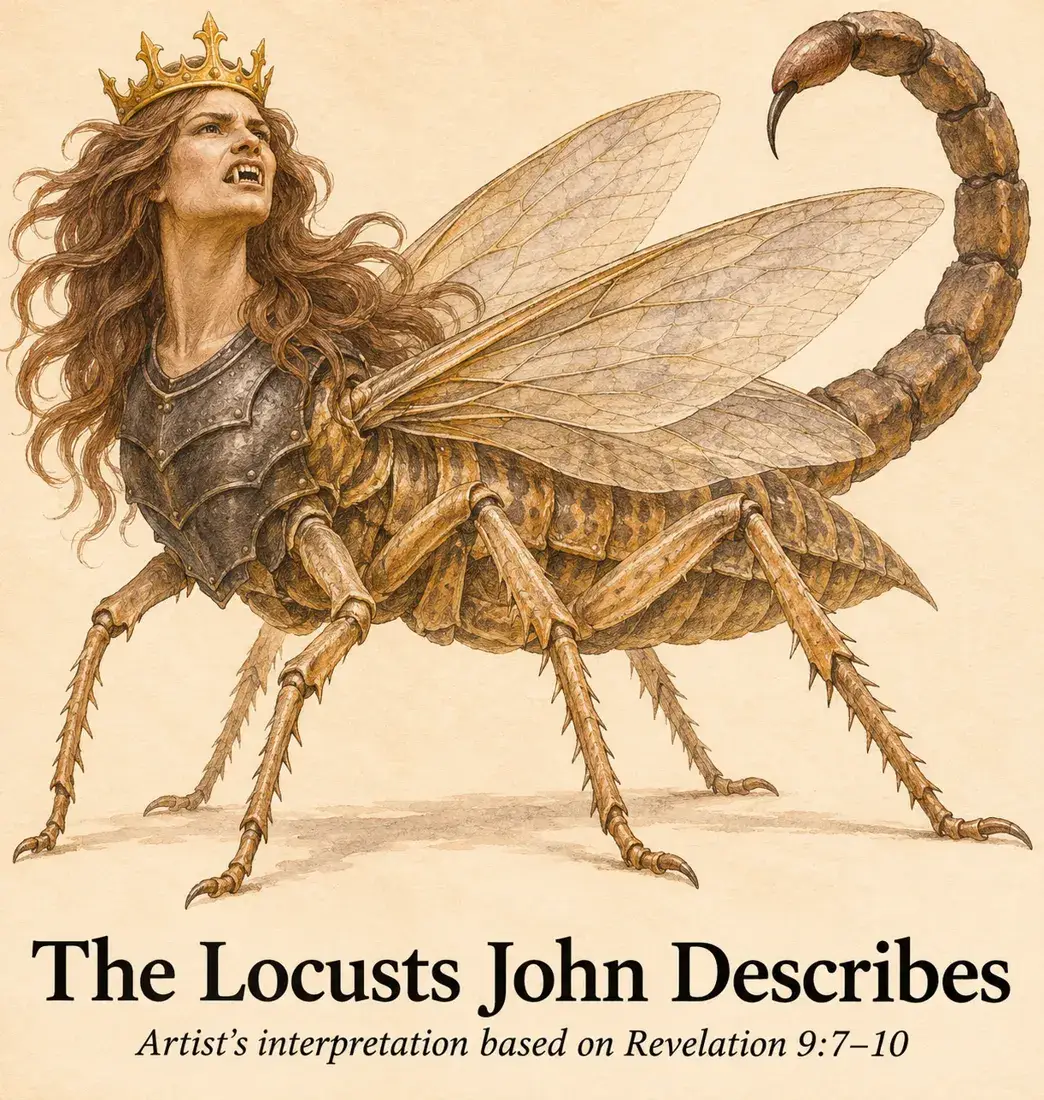
Abaddon and Apollyon. The locusts have a king, the angel of the abyss, named Abaddon in Hebrew and Apollyon in Greek (Revelation 9:11 BLB). The names express destruction and destroyer. Revelation does not explicitly call him Satan. His role in this scene is destructive rule over the locust force, and the verse supplies no further biography.
Euphrates and the four bound angels. The sixth trumpet releases four angels bound at the great river Euphrates, prepared for a precise appointed time (Revelation 9:13–15 BLB). The Euphrates is a real river with a long biblical history; its later drying appears in 16:12. These bound angels are not identified as the four wind-holding angels of chapter 7.
Two hundred million horsemen and deadly horses. John hears the number of an immense mounted army and sees horses with lionlike heads and serpentlike tails, bringing fire, smoke, and sulfur (Revelation 9:16–19 BLB). Their riders wear fiery red, dark blue, and sulfur-yellow breastplates. The vision describes overwhelming destructive force. Whether its number is literal and whether the army is human or supernatural are debated. No present nation is named as its source.
Demons, idols, and sorcery. Survivors continue worshiping demons and lifeless idols and refuse to abandon murder, sorcery, sexual immorality, and theft (Revelation 9:20–21 BLB). Demons are evil spiritual beings; idols are manufactured objects wrongly receiving worship. Sorcery concerns occult practices. The Greek word’s relationship to words for drugs does not make this a blanket condemnation of ordinary medicine or legitimate medical treatment.
Chapter 10 The little scroll
Read Revelation 10.
The mighty angel over sea and land. A mighty angel descends clothed with a cloud, a rainbow over his head, a sunlike face, and fiery legs (Revelation 10:1–3 BLB). One foot rests on the sea and one on land, giving the scene worldwide scope. Some identify him with Christ, but John calls him an angel and does not explicitly make that identification.
The seven thunders. Seven thunders speak, but John is told to seal their words and not write them (Revelation 10:3–4 BLB). Their content is therefore deliberately withheld. This is an important boundary within a book of revelation: God makes known what He chooses. We can trust God without possessing every detail.
No more delay and the mystery of God. The angel swears by the Creator that there will be no further delay and that God’s mystery will be fulfilled as announced to His prophets (Revelation 10:5–7 BLB). Some older translations say there will be time no longer. In context the point is the approaching completion of God’s purpose, not a philosophical statement that time ceases to exist.
Eating the little scroll: sweetness and bitterness. John eats the opened little scroll, which tastes sweet but makes his stomach bitter, and is commissioned to prophesy again (Revelation 10:8–11 BLB). The action echoes Ezekiel 2:8–3:3 BLB. Receiving God’s message brings delight but also the painful weight of its contents. Its exact relationship to the seven-sealed scroll is not explicitly explained.
Chapter 11 Witness suffering and vindication
Read Revelation 11.
Measuring rod, temple, altar, and worshipers. John is told to measure God’s temple, altar, and worshipers but to leave the outer court unmeasured (Revelation 11:1–2 BLB). Measuring can express divine claim and concern; compare Ezekiel 40 BLB. Readers differ over an earthly temple, a heavenly reality, or a picture of God’s people. Notice that the instruction includes worshipers, so the scene is concerned with more than architecture.
The holy city and the nations trampling it. The nations trample the holy city for forty-two months (Revelation 11:2 BLB). Jerusalem supplies the natural biblical background, but interpretations differ over the city’s exact role here and its relationship to the city in verse 8. The trampling portrays real oppression under a stated limit. It should not be confused automatically with the perfected New Jerusalem of chapter 21.
Forty-two months and 1,260 days. Forty-two months and 1,260 days describe equivalent spans on a thirty-day-month reckoning, commonly understood as three and a half years (Revelation 11:2–3 BLB). Related periods appear in 12:6, 14 and 13:5. The language recalls Daniel’s limited period of oppression (Daniel 7:25; 12:7). Whether these are calendar periods or symbolic portrayals of a bounded trial depends on the larger interpretation.
The two witnesses and sackcloth. Two witnesses prophesy in sackcloth, the clothing of mourning and repentance (Revelation 11:3 BLB). Their number fits Scripture’s requirement for corroborated testimony (Deuteronomy 19:15 BLB). Readers identify them as two individuals, representatives of the witnessing church, or other faithful witnesses. John never names them Moses, Elijah, or Enoch, although their powers clearly recall earlier prophetic ministry.
Two olive trees, two lampstands, and prophetic powers. The witnesses are called two olive trees and two lampstands, recalling Zechariah 4 BLB (Revelation 11:4–6 BLB). Their authority over rain and plagues recalls Elijah and Moses; fire from their mouths emphasizes the power of their testimony. These connections illuminate their role as God-authorized witnesses, but resemblance to earlier prophets does not itself prove personal identity.
The beast from the abyss. The beast first appears in Revelation 11:7 BLB, killing the witnesses only when they have completed their testimony. Fuller descriptions come in chapters 13 and 17. It represents fierce opposition to God and His people, but even its apparent victory has limits. The sequence stresses that the witnesses’ calling is completed before their enemies seem to triumph.
The great city, Sodom, and Egypt. The witnesses lie in the great city symbolically called Sodom and Egypt, where their Lord was crucified (Revelation 11:8 BLB). That final detail points to Jerusalem; the other names expose corruption and oppression through Old Testament memories. Some readers see a wider picture of the hostile world. The passage itself says the names are spiritual or symbolic.
Three and a half days, breath of life, and the cloud. The witnesses’ bodies are denied burial for three and a half days while enemies celebrate; then God gives them life and summons them to heaven in a cloud (Revelation 11:9–12 BLB). Their public vindication overturns apparent defeat. These days must not casually be substituted for the 1,260-day ministry.
The earthquake, seventh trumpet, and covenant ark. An earthquake destroys a tenth of the city and kills 7,000 after the witnesses’ vindication; then the seventh trumpet announces the world’s kingdom becoming God’s and His Christ’s (Revelation 11:13–19 BLB). The heavenly temple opens and reveals the covenant ark, recalling God’s committed presence with His people. Judgment, reward, and fulfilled kingship belong together.
Chapter 12 The woman, the child, and the dragon
Read Revelation 12.
The woman clothed with the sun. A heavenly sign shows a woman clothed with the sun, the moon beneath her feet, and twelve stars on her head (Revelation 12:1–2 BLB). Genesis 37:9–10 BLB supplies important family-of-Israel imagery. She is commonly understood as God’s people, especially Israel bringing forth the Messiah; some Christian traditions also emphasize Mary. No single human identity is explicitly given.
The red dragon, seven heads, ten horns, and crowns. The great red dragon threatens the child and persecutes the woman (Revelation 12:3–4 BLB). Verse 9 explicitly identifies him as the ancient serpent, the devil, and Satan. His heads, horns, and royal crowns display formidable power and pretended dominion.
The third of the stars swept down. The dragon’s tail sweeps a third of heaven’s stars to earth (Revelation 12:4 BLB). Many connect them with the dragon’s angels in verses 7–9. That is a reasonable reading, but verse 4 does not explicitly call them angels or explain the precise date of their fall. The image shows sweeping destructive reach without giving Satan unlimited power.
The male child and His iron rule. The woman bears a male child destined to rule every nation with an iron rod, and He is caught up to God’s throne (Revelation 12:5 BLB). The language of Psalm 2 BLB and the throne strongly identifies Him as the Messiah, Jesus. The vision compresses His story to emphasize Satan’s failed assault and the Son’s victorious enthronement.
Wilderness refuge, eagle’s wings, and the limited time. God prepares a wilderness refuge for the woman; eagle’s wings enable her escape (Revelation 12:6, 14 BLB). The wings recall God’s rescue of Israel in Exodus 19:4 BLB. A time, times, and half a time is generally understood to correspond to the limited period already pictured as 1,260 days. The refuge displays God’s care amid danger, not necessarily removal from every hardship.
Michael and the dragon’s angels. Michael leads angels against the dragon and his angels, who lose their place in heaven (Revelation 12:7–9 BLB). Daniel 10:13, 21 BLB and 12:1 provide background for Michael as a heavenly protector. Revelation does not identify him as Jesus. Their conflict reveals the spiritual struggle behind the churches’ suffering.
The accuser, the Lamb’s blood, and faithful testimony. Satan is called the accuser of God’s people; believers overcome through the Lamb’s blood and their testimony, even at the cost of life (Revelation 12:10–11 BLB). Their victory rests first on Christ’s work. Courageous witness is its expression. Faithfulness even through death is victory in Christ.
The serpent’s flood and the rest of the offspring. The serpent sends a flood after the woman, but the earth swallows it; he then attacks her remaining offspring (Revelation 12:15–17 BLB). These offspring are identified as those keeping God’s commandments and holding Jesus’ testimony. The flood’s exact meaning is unstated. The scene’s clear burden is continuing persecution and God’s ability to frustrate the enemy’s designs.
Chapter 13 The two beasts and coerced worship
Read Revelation 13.
The sea beast and its borrowed authority. A beast rises from the sea with seven heads, ten horns, crowns, and blasphemous names (Revelation 13:1–2 BLB). Its leopard, bear, and lion features recall Daniel 7 BLB‘s kingdoms. The dragon gives it power and a throne. It portrays rule set against God; readers debate its historical and future embodiments, but its authority is neither rightful nor ultimate.
The healed mortal wound. One of the beast’s heads appears mortally wounded and healed, provoking worldwide astonishment and worship (Revelation 13:3–4, 12, 14 BLB). The scene imitates death-and-life victory while directing devotion away from God. Historical proposals and expectations of a future event differ. John’s practical warning is clear: impressive survival or apparent invincibility does not establish that a ruler deserves worship.
Blasphemy and war against the saints. The beast speaks against God, His dwelling, and heaven’s inhabitants, receives authority to act for forty-two months, and is allowed to make war on the saints (Revelation 13:5–10 BLB). Its ability to kill does not cancel the Lamb’s victory. Readers are summoned to endurance and faith. Blasphemy is speech that dishonors God or usurps His honor, not merely disagreement with a human religious leader.
The land beast and deceptive signs. A second beast rises from the earth, with two lamb-like horns but a dragon’s voice (Revelation 13:11–14 BLB). It promotes worship of the first beast through remarkable signs, including fire from heaven. Its gentle appearance masks allegiance to the dragon. Revelation 19:20 BLB identifies the false prophet by these same activities, linking that title with this second beast.
The image of the beast and its breath. The second beast urges people to make an image of the first beast, then gives it breath so that it speaks and enforces worship under threat of death (Revelation 13:14–15 BLB). The scene recalls coerced image worship in Daniel 3 BLB. The central issue is loyalty demanded in God’s place.
The mark on hand or forehead. The beast’s mark is connected with its name or the number of its name and with permission to buy and sell (Revelation 13:16–17 BLB). Later warnings explicitly connect receiving it with beast worship (14:9–11). Interpretations differ about its physical form. The passage does not identify an ordinary barcode, medical treatment, or accidental contact as receiving the mark.
Six hundred sixty-six. The number 666 is the beast’s number, to be calculated with understanding (Revelation 13:18 BLB). Readers have proposed a name represented by letters with numerical values or a wider picture of human rebellion. The passage gives no modern person’s name. Its call to wisdom requires attention to context, rather than repeatedly forcing current names into a preferred numerical result.
Antichrist: a related term from other passages. Revelation never uses the word antichrist. It appears in 1 John 2:18, 22 BLB; 4:3; and 2 John 7 BLB, where it concerns opposition to and deception about Christ. Many Christians connect a final antichrist figure with Revelation’s beast. That connection should be explained as a reading across biblical books, rather than treated as Revelation’s own name for the beast.
Chapter 14 The people of the Lamb and the coming harvest
Read Revelation 14.
Mount Zion and the names on the forehead. The Lamb stands on Mount Zion with the 144,000 bearing His name and His Father’s name (Revelation 14:1 BLB). Zion is the biblical name associated with Jerusalem and God’s dwelling and kingship. Readers understand the scene as earthly Jerusalem, heavenly Zion, or a symbolic scene of victory. Its central contrast is plain: these people belong to the Lamb, not the beast.
Virgins, firstfruits, and the song of the redeemed. The 144,000 follow the Lamb, sing a song uniquely theirs, speak truth, and are described as virgins and firstfruits (Revelation 14:2–5 BLB). Some read the virginity literally; others understand undivided faithfulness in contrast to idolatrous unfaithfulness. The image must not imply that honorable marriage is sinful. Firstfruits names an offering set apart for God and associated with a harvest.
The angel with the eternal gospel. An angel announces eternal good news to every people and calls the world to fear God, give Him glory, and worship the Creator because judgment has arrived (Revelation 14:6–7 BLB). Fear here includes reverence and rightful acknowledgment. The message exposes the false claim of beast worship: creation and ultimate accountability belong to God alone.
Babylon the Great. Babylon first appears by name in Revelation 14:8 BLB; its character and fall are expanded in chapters 17–18. The ancient Babylon supplies a biblical memory of proud, idolatrous, oppressive empire. Revelation’s Babylon represents a corrupt great city and its wider influence. Many connect the first-century portrayal with Rome; the text does not directly name Rome or a modern capital.
Wine, the cup of wrath, fire, and smoke. Babylon intoxicates nations with its corrupting wine, while beast worshipers face the undiluted wine of God’s wrath (Revelation 14:8–11 BLB). Cup and wine portray the judgment they must face. Fire, sulfur, and rising smoke intensify the warning. Christians differ over some questions about final punishment, but the passage cannot fairly be turned into a harmless or temporary inconvenience.
The blessed dead and works that follow. A heavenly voice declares blessed those who die in the Lord; the Spirit affirms their rest from labor and says their works follow them (Revelation 14:13 BLB). Faithful service is not erased by death. This promise comforts believers who may never see earthly recognition.
The grain harvest, Son of Man, and sharp sickle. One like a son of man sits on a white cloud wearing a golden crown and holding a sickle (Revelation 14:14–16 BLB). At heaven’s announced time He reaps the earth. Many identify Him with Jesus. Readers differ over whether this first harvest pictures gathering believers or judgment; the next harvest is explicitly associated with God’s wrath.
The grape harvest, winepress, and 1,600 stadia. An angel gathers earth’s grapes into the winepress of God’s wrath, producing a vast, dreadful image of blood outside the city (Revelation 14:17–20 BLB). The distance is 1,600 stadia, roughly 184 miles or 296 kilometers. The image recalls judgment language such as Joel 3:13 BLB. It stresses the magnitude of judgment rather than inviting a literal blood-volume calculation.
Chapter 15 The final plagues are prepared
Read Revelation 15.
Seven last plagues and seven golden bowls. Seven angels carry the seven last plagues, through which God’s wrath is completed; they receive golden bowls (Revelation 15:1, 6–7 BLB). Older translations may call the bowls vials. Their number and completion show that evil will not evade God indefinitely, even after repeated warnings have been resisted.
Sea of glass with fire and victorious worshipers. Those victorious over the beast stand beside or on the glasslike sea mingled with fire, holding God’s harps (Revelation 15:2 BLB; wording varies). They are victorious despite the beast’s earlier power to kill. Read with chapter 13, the scene teaches that refusing false worship and remaining with the Lamb is genuine victory, even through suffering.
The song of Moses and the Lamb. The faithful sing the song of Moses, God’s servant, and the song of the Lamb (Revelation 15:3–4 BLB). Moses recalls Israel’s rescue from Egypt and the sea crossing (Exodus 15 BLB). The song celebrates God’s mighty works, justice, holiness, and the nations’ coming worship. The Lamb’s rescue brings the earlier deliverance story to its greater fulfillment.
The sanctuary of testimony, linen, sashes, and smoke. The heavenly sanctuary opens; angels emerge in bright clothing and golden sashes, and divine glory fills it with smoke (Revelation 15:5–8 BLB). The tent or tabernacle of testimony recalls God’s covenant presence with Israel. No one enters until the plagues finish. The scene emphasizes holy authority and the seriousness of the judgments about to unfold.
Chapter 16 The bowls poured out
Read Revelation 16.
Sores on the beast’s worshipers. The first bowl brings painful sores specifically upon those bearing the beast’s mark and worshiping its image (Revelation 16:1–2 BLB). The plague recalls Egypt’s boils (Exodus 9:8–12 BLB). Its target is part of the meaning: the power promising security to its followers cannot protect them from God’s judgment.
Sea, rivers, blood, and the angel of the waters. The second bowl turns the sea to blood and kills its living creatures; the third turns fresh waters to blood (Revelation 16:3–7 BLB). An angel declares the judgment just because persecutors shed the blood of saints and prophets. The altar affirms the verdict. The scene connects judgment with accountability for real violence.
Scorching sun and the beast’s darkened throne. The fourth bowl brings scorching heat; the fifth darkens the beast’s kingdom and brings anguish (Revelation 16:8–11 BLB). People curse God instead of repenting. These contrasting plagues expose both creation’s dependence on its Maker and the beast’s inability to save. Severe consequences alone do not produce repentance when people remain determined to resist God.
The dried Euphrates and kings from the east. The sixth bowl dries the Euphrates to prepare a way for kings from the sunrise, or east (Revelation 16:12 BLB). The river was already named in 9:14. The vision then widens to rulers of the whole world being gathered (16:14). Revelation supplies no names of present nations, and ordinary fluctuations in the river do not by themselves establish fulfillment.
The false prophet and three frog-like spirits. The dragon, beast, and false prophet send out three unclean spirits like frogs (Revelation 16:13–14 BLB). They are explicitly called demonic spirits, performing signs and gathering rulers for war. This is the first use of the title false prophet; 19:20 links him to the second beast’s deceptive work. Their alliance is a counterfeit united opposition to God.
Armageddon, or Har-Magedon. The rulers gather to the place called Armageddon in Revelation 16:16 BLB. The name is commonly related to “mountain of Megiddo,” drawing on a location associated with major biblical battles; its exact force is debated. The passage presents a gathering against God, but does not provide a modern battle map or identify today’s participants. Name and biblical background.
“It is done,” the divided city, and immense hail. The seventh bowl brings a throne-voice announcing completion, unprecedented earthquake, collapsing cities, disappearing islands and mountains, and enormous hail (Revelation 16:17–21 BLB). Babylon is remembered for judgment. A talent is a very heavy ancient weight, whose conversion varies. The imagery shows the collapse of earthly security; even then, the people’s blasphemy exposes persistent resistance.
Chapter 17 Babylon and the beast explained
Read Revelation 17.
The great prostitute, scarlet beast, and many waters. John is taken into a wilderness to see a richly dressed prostitute riding a scarlet beast (Revelation 17:1–6 BLB). The angel explicitly identifies the woman as the great city ruling earth’s kings and the waters as peoples and nations (17:15, 18). The vision exposes an influential, corrupting power supported by violent rule, in contrast to the Lamb’s bride.
Purple, scarlet, jewels, golden cup, and the forehead name. Babylon’s luxury conceals a cup of abominations, and her name identifies her as the mother of prostitutes and earth’s abominations (Revelation 17:4–6 BLB). She is drunk with the blood of Jesus’ witnesses. The combined image exposes wealth, corrupt worship, and persecution. Her beautiful appearance must not distract readers from the human suffering and spiritual corruption beneath it.
Seven heads, seven mountains, seven kings, and an eighth. The angel interprets the beast’s seven heads as seven mountains and seven kings, then describes an eighth belonging to the seven (Revelation 17:7–11 BLB). The mountains strongly suggest Rome to many readers, but proposed lists of kings differ. The beast’s “was and is not” pattern mimics enduring life while the explanation repeatedly points to its destruction.
Ten horns, ten kings, one hour, and Babylon’s betrayal. The ten horns are explicitly ten kings who briefly share authority with the beast and oppose the Lamb (Revelation 17:12–17 BLB). They later turn against Babylon and destroy her. One hour emphasizes their short-lived authority. No modern ten-nation alliance is named. The Lord of lords defeats them, and even their mutual destruction cannot overturn God’s purpose.
Chapter 18 The collapse of Babylon
Read Revelation 18.
Demonic dwelling, unclean spirits, and unclean birds. Fallen Babylon becomes a dwelling for demons and a haunt of unclean spirits and birds (Revelation 18:1–2 BLB). This recalls prophetic descriptions of ruined, desolate cities, especially Isaiah 13:19–22 BLB. The once-glamorous place is exposed as spiritually foul and abandoned.
Coming out of Babylon and the self-confident queen. God calls His people to leave Babylon’s sins and avoid sharing her judgment (Revelation 18:4–8 BLB). Her boast that she reigns securely as a queen is answered by sudden ruin. Readers differ over the physical setting of a final fulfillment, but the moral command is clear: belonging to God requires refusing corrupt worship, exploitation, and proud self-sufficiency.
Merchants, cargo, shipmasters, and enslaved people. Kings, merchants, and seafarers mourn lost wealth when Babylon falls (Revelation 18:9–19 BLB). The cargo includes gold, silver, gems, pearls, linen, purple cloth, silk, scarlet cloth, scented wood, ivory, costly wood, bronze, iron, marble, cinnamon, spice, incense, myrrh, frankincense, wine, oil, flour, wheat, cattle, sheep, horses, chariots, and enslaved human beings. Its ending exposes people being treated as merchandise. The lament reveals an economy whose beneficiaries grieve lost profit while overlooking the lives its luxury consumed.
Millstone, vanished music, extinguished lamp, and silence. A mighty angel throws a millstone into the sea to portray Babylon’s irreversible downfall (Revelation 18:21–24 BLB). Music, craft, milling, lamplight, and wedding voices cease. These are the ordinary sounds of a living city, now silenced. The passage closes by naming her deception and bloodguilt, keeping the reason for judgment in view rather than celebrating destruction for its own sake.
Chapter 19 The wedding and victory of the Lamb
Read Revelation 19.
Hallelujah and the wedding supper of the Lamb. Hallelujah is a Hebrew expression meaning praise the Lord. Its New Testament occurrences are all in Revelation 19. Heaven praises God’s just judgment and rejoices that the Lamb’s marriage has arrived (Revelation 19:1–9 BLB). The wedding pictures joyful, lasting union between Christ and His people. His bride’s fine linen is explicitly the saints’ righteous deeds, yet the clothing is also given to her, holding together God’s gift and His people’s faithful response.
The testimony of Jesus and the spirit of prophecy. When John tries to worship the angel, the angel directs him to worship God and links prophecy with Jesus’ testimony (Revelation 19:10 BLB). The wording is understood as testimony about Jesus or the testimony He gives. Either emphasis centers genuine prophecy on Him. Revelation itself therefore warns readers against honoring a messenger as though the messenger were God.
Faithful and True, the Word of God, and the white horse. The rider on the white horse is called Faithful and True, the Word of God, and King of kings and Lord of lords (Revelation 19:11–16 BLB). These titles identify Jesus far more clearly than the unnamed rider of chapter 6. He judges righteously; His authority, fiery eyes, many crowns, and mouth-sword reveal the rightful King’s decisive victory.
Blood-dipped robe, unknown name, and heavenly armies. Jesus’ robe bears blood before the narrated battle, and His followers wear pure white linen (Revelation 19:12–14 BLB). Readers connect the blood either with His sacrifice or with judgment imagery such as Isaiah 63 BLB. His private name shows that He is never exhausted by human understanding. The armies’ precise composition is debated; the decisive victory belongs to Him.
The birds’ supper and the lake of fire. An angel summons birds to the battlefield, a grim counterpart to the Lamb’s wedding feast (Revelation 19:17–21 BLB). The beast and false prophet are captured and thrown alive into the sulfurous lake of fire; their armies fall before Christ’s word. The lake first appears here by name and later receives Satan, Death, Hades, and those absent from the book of life.
Chapter 20 The thousand years and final judgment
Read Revelation 20.
The key, chain, and Satan’s binding. An angel binds Satan and seals him in the abyss so that he cannot deceive the nations until the thousand years end (Revelation 20:1–3 BLB). The scene portrays effective divine restraint. Christians differ over when this binding occurs and how it relates to Satan’s present activity.
The thousand years, thrones, and first resurrection. Faithful witnesses live and reign with Christ for a thousand years, sharing the first resurrection (Revelation 20:4–6 BLB). Some Christians understand a future bodily resurrection and earthly reign; others understand believers’ heavenly life or spiritual resurrection within a symbolic period. These are major differences of interpretation. The common assurance is that allegiance to Christ ends in life and shared victory.
Gog and Magog, the four corners, and the final rebellion. After his release, Satan deceives nations across the earth, called Gog and Magog, into attacking God’s people (Revelation 20:7–8 BLB). The names draw on Ezekiel 38–39 BLB; Revelation applies them to a worldwide gathered rebellion. The passage does not explicitly identify a contemporary country or ethnic group. Its focus is evil’s last assault and certain defeat.
The saints’ camp, beloved city, and fire from heaven. The hostile multitude surrounds the camp of the saints and the beloved city, but fire from heaven destroys it (Revelation 20:9–10 BLB). Some read earthly Jerusalem; others see a picture of God’s people under siege. Satan then enters the lake of fire. No prolonged contest is narrated: God ends the rebellion, and the deceiver’s freedom ends forever.
The great white throne, judgment books, and the end of Death. John sees the dead before the great white throne; opened books display their deeds, alongside the book of life (Revelation 20:11–15 BLB). Sea, Death, and Hades surrender their dead, so none escape accountability. Death and Hades are themselves thrown into the lake of fire, explicitly the second death. God’s final judgment reaches evil’s rule over life itself.
Chapter 21 God makes all things new
Read Revelation 21.
New heaven, new earth, and no more sea. John sees new heaven and new earth after the former order passes away (Revelation 21:1 BLB). Some understand the absent sea as a literal feature; others emphasize the removal of the chaos, threat, and separation the sea can symbolize. The passage’s certain promise is God’s fully renewed creation, where the evil and suffering associated with the old order no longer rule.
New Jerusalem descending as a bride. The holy city comes down from God, prepared as a bride; the angel explicitly presents the city as the Lamb’s bride (Revelation 21:2, 9–10 BLB). City and bride are complementary pictures of God’s redeemed community and its home with Him. The movement is from heaven to renewed creation, inviting hope in God’s dwelling with His people.
God’s dwelling, wiped tears, and the inheritance. God makes His home with His people, removes death and pain, and gives the conqueror an inheritance as His child (Revelation 21:3–7 BLB). Water of life is given freely to the thirsty. This is the destination of the entire book: unbroken life with God. The promise directly answers the tears, persecution, hunger, and death of earlier chapters.
Those excluded from the holy city. Revelation 21:8, 27 BLB names persistent unbelief, murder, sexual immorality, sorcery, idolatry, and falsehood among the ways incompatible with the city’s holiness. Cowardice here belongs in the book’s context of abandoning faithfulness under pressure; it should not casually be equated with an anxiety disorder or ordinary fear. Entry belongs to those written in the Lamb’s book of life.
Twelve gates, twelve angels, tribes, and foundations. The city has twelve gates with twelve angels at them, bearing Israel’s tribal names and twelve foundations bearing the Lamb’s apostles’ names (Revelation 21:12–14 BLB). Three gates face each direction. The design joins Israel’s story and apostolic witness in one holy city, with access from every direction.
The golden measuring rod, 12,000 stadia, and 144 cubits. The city is measured with a golden rod: its length, width, and height are equal, and its dimensions use multiples of twelve (Revelation 21:15–17 BLB). Most English translations give 12,000 stadia and a wall measurement of 144 cubits. The equal dimensions recall the Most Holy Place’s cube (1 Kings 6:20 BLB), suggesting a whole city filled with God’s holy presence.
Jasper walls, jeweled foundations, pearl gates, and gold. The city’s splendor includes jasper, transparent gold, and foundations adorned with jasper, sapphire, agate, emerald, onyx, carnelian, chrysolite, beryl, topaz, chrysoprase, jacinth, and amethyst (Revelation 21:18–21 BLB). Each gate is one pearl. Some translations name chalcedony, sardonyx, or sardius. Ancient gemstone names do not always match modern classifications exactly; together they communicate extraordinary beauty, holiness, and richness in God’s presence.
No temple, no closed gates, and nations in the light. God and the Lamb are the city’s temple; divine glory lights it, and the Lamb is its lamp (Revelation 21:22–27 BLB). Nations and kings bring their glory through always-open gates, yet impurity never enters. The scene combines complete security with holy welcome. God’s presence is no longer approached through a separate sanctuary within the city.
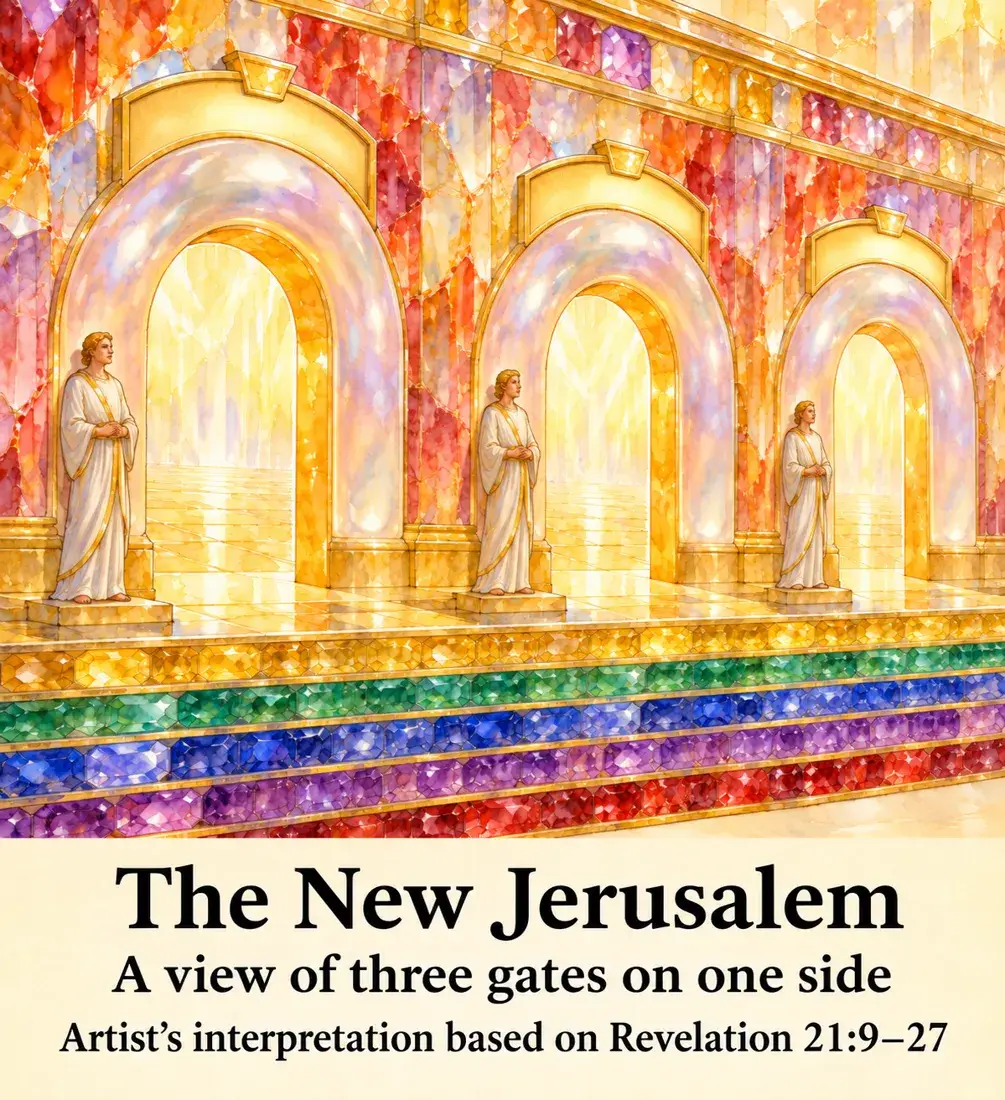
Chapter 22 Life with God and the final invitation
Read Revelation 22.
River of life, twelve fruits, and healing leaves. A clear river flows from the throne of God and the Lamb. On either side is the tree of life, described in the ESV as bearing twelve kinds of fruit and yielding fruit each month (Revelation 22:1–2 BLB). Its leaves are for the nations’ healing, echoing Ezekiel 47:1–12 BLB and reversing Eden’s loss. The scene portrays abundant, complete life supplied directly by God.
No curse, seeing His face, and His name. God’s servants worship Him, see His face, bear His name, and reign forever without curse or darkness (Revelation 22:3–5 BLB). This fulfills earlier promises of belonging and light. Seeing His face expresses unhindered fellowship, while His name declares that they are His. The final future is active, joyful life in His presence.
Unsealed prophecy, coming soon, and reward. The God of the spirits of the prophets authenticates this message: His prophets’ life and witness are under His authority (Revelation 22:6 BLB). Unlike the withheld thunders, this prophecy remains unsealed because it calls for present response (22:7–12; compare 10:4). Jesus promises His coming and just repayment. Christians differ over the timing language, but it never authorizes indifference. The reader is called to keep His words, remain ready, and live in the light of His promised return.
Washed robes, the dogs outside, and the Spirit’s invitation. Those welcomed into the city are contrasted with those persisting in evil, described among other terms as dogs (Revelation 22:14–17 BLB). The image of dogs portrays moral corruption and exclusion from holy fellowship. The ESV reads washing robes in verse 14; some translations read keeping commandments because they follow a different manuscript reading. This is a difference in the underlying copies, not merely a choice of English words. The Spirit and the bride say come, and the thirsty are invited to receive life freely. The warning and invitation belong together.
Adding, taking away, and “Come, Lord Jesus”. Revelation warns against adding to or taking away from this prophecy (22:18–19). The warning calls us to preserve God’s message faithfully. The book ends with Jesus’ promised coming, the answering prayer for His return, and grace (22:20–21). Reverence for His word should deepen longing, obedience, and dependence on Him.
Part 4 Holding Our Convictions with Humility
We have looked at genuine disagreements, and we should care about getting Scripture right. Yet we also need to notice what the historic Christian positions described here confess together. Jesus will return. The dead will be raised. God will judge evil, and His people will live with Him in the world He makes new (Acts 1:11 BLB; 1 Corinthians 15:22–26 BLB; Revelation 21:1–5 BLB).
We can hold a conviction firmly and still listen carefully when someone asks us to look again at a passage. We should be able to explain another person’s view in words that person would recognize. When we do not know, we can say so. Jesus has not authorized us to set dates (Matthew 24:36 BLB; Acts 1:7 BLB).
What should all this study produce in us? Peter asks how we ought to live in view of the coming day (2 Peter 3:11–14 BLB). Paul tells us to encourage one another with the promise of being with the Lord (1 Thessalonians 4:18 BLB). If we understand more about His coming, we should be more willing to obey Him now and more ready to strengthen a brother or sister who is struggling.
Part 5 Where the Prophetic Books Fit in the Bible
The prophetic books belong within the Bible’s larger account of God’s dealings with His people. They speak from real situations involving Israel and Judah, exile, and return. Their messages help us understand why judgment came, why God continued to promise mercy, and how His purposes lead us to Christ.
Major and Minor Prophets are names for groups of books, mainly distinguished by length, not by the importance of their message. This overview follows the familiar Protestant arrangement: Isaiah through Daniel, followed by the twelve shorter prophetic books. Lamentations is included beside Jeremiah although it is a collection of laments. Jewish ordering differs, placing Daniel and Lamentations among the Writings; Catholic and Orthodox Old Testaments include additional material. These arrangements should not be confused with judgments about a book’s spiritual value.15
The Major Prophets
Isaiah
Isaiah brings us before the holiness of God and confronts the sin of His people. It then opens a remarkable view of the coming King and the Servant who bears sin. Read Isaiah 6:1–8 BLB; 9:1–7; and 52:13–53:12. Its promises of comfort and new creation reach toward the Bible’s final hope (Isaiah 40:1–11 BLB; 65:17–25). Isaiah helps us understand both who Jesus is and why His saving work is needed.
Jeremiah
Jeremiah shows the seriousness of breaking covenant with God, even while claiming the security of His temple. He ministers as Judah moves toward exile. Yet God promises a new covenant involving inward renewal and forgiveness (Jeremiah 7:1–15 BLB; 31:31–34). Hebrews 8:6–13 BLB takes up that promise in explaining Christ’s ministry. Jeremiah helps us see why outward religious belonging cannot replace a heart that responds to God.
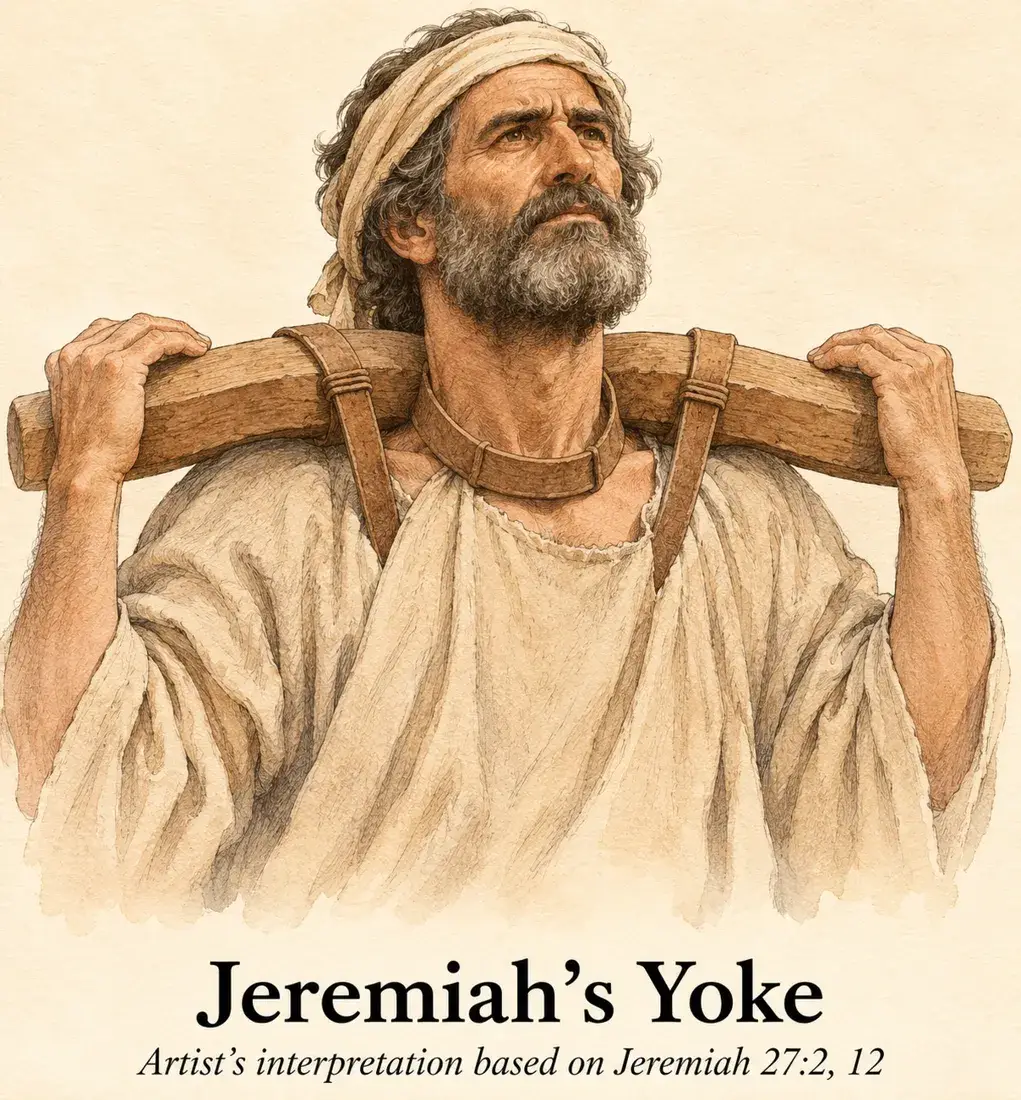
Lamentations
Lamentations gives voice to the grief of Jerusalem’s destruction. It lets us feel the cost of sin and judgment rather than discussing them at a safe distance. Within the grief, the writer turns toward God’s compassion and calls for self-examination (Lamentations 3:19–40 BLB). This book teaches us how to bring sorrow before God without pretending that suffering is small or that our questions have all been answered.
Ezekiel
Ezekiel ministers among the exiles and shows that God’s glory and authority are not confined to Jerusalem. He exposes unfaithfulness but promises a new heart, His Spirit, and restored life (Ezekiel 1:1–28 BLB; 36:22–28; 37:1–14). His shepherd promises help prepare us to recognize Jesus’ care for His people (Ezekiel 34:11–24 BLB; John 10:11–16 BLB). The closing visions return us to the hope of God’s presence among His people.
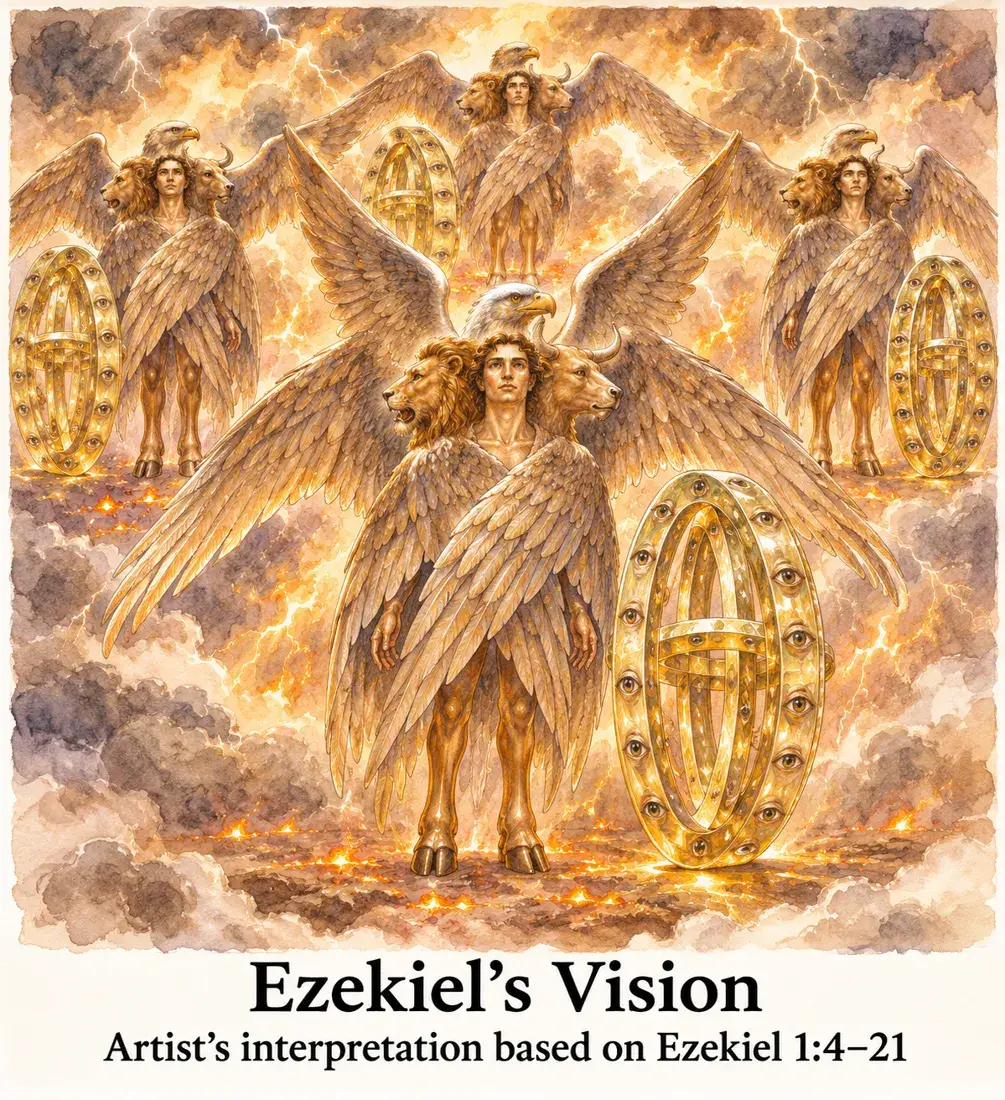
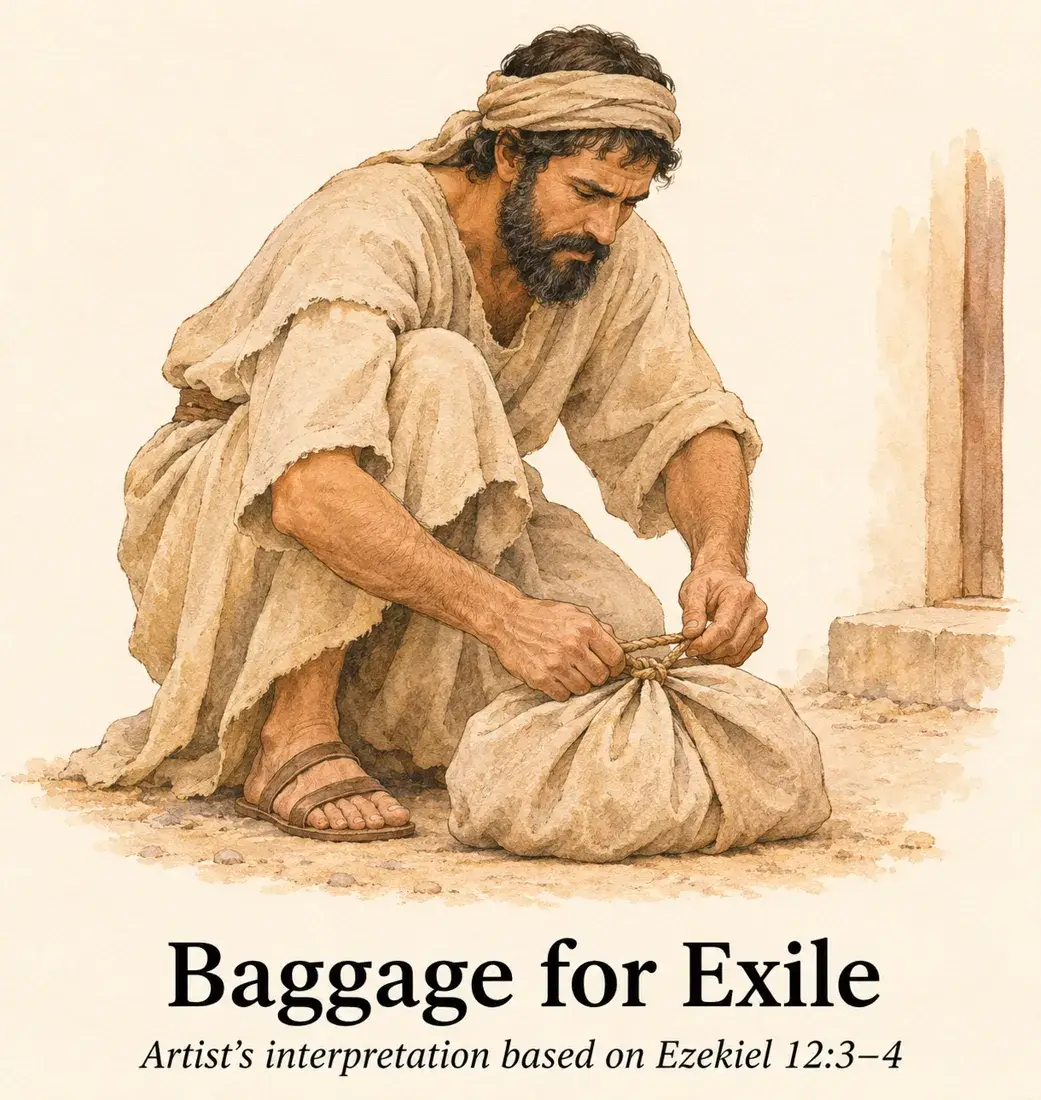
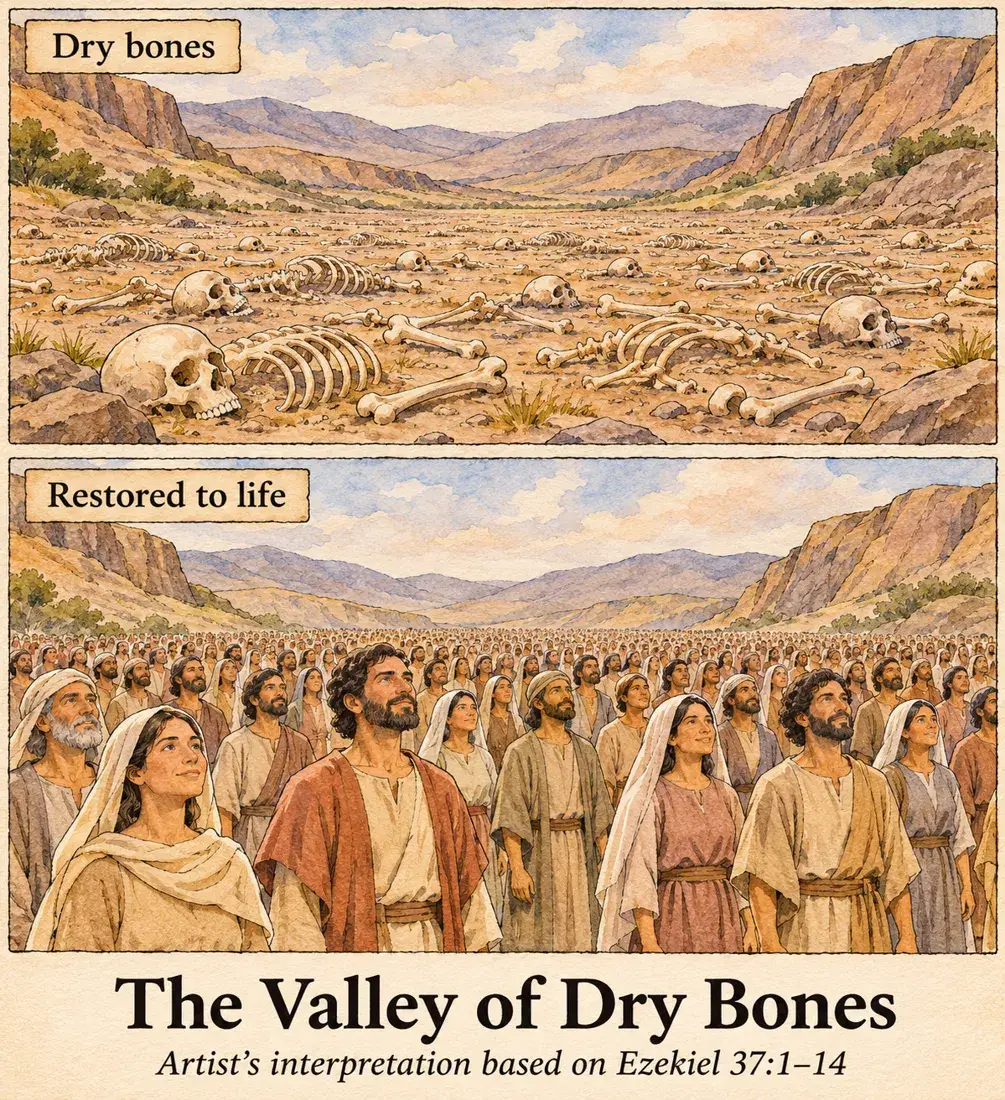
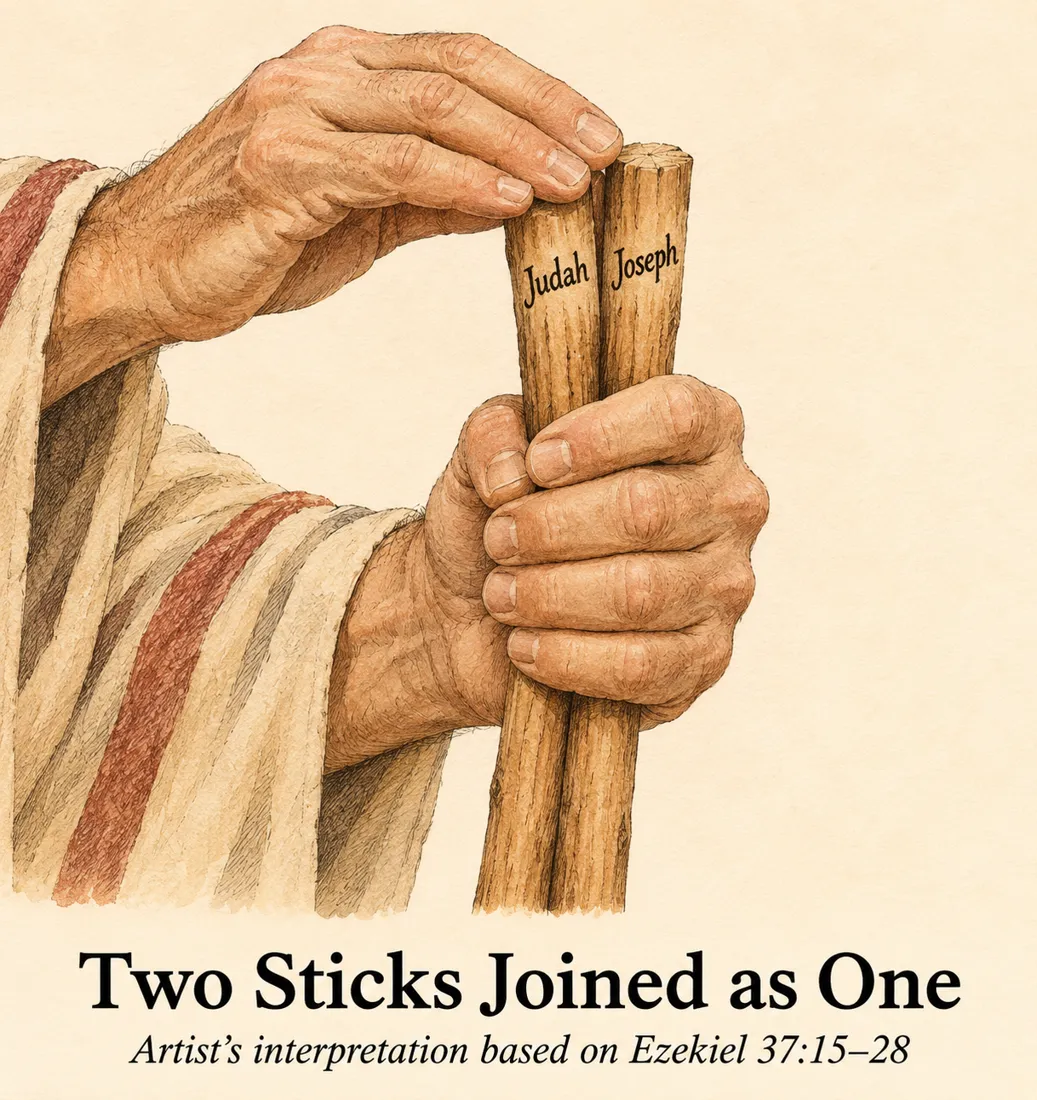
Daniel
Daniel joins accounts of faithfulness under foreign rule with visions of kingdoms that rise and fall under God’s authority. The Son of Man receives an everlasting kingdom, and God’s suffering people are promised vindication (Daniel 7:9–14, 21–27 BLB). Daniel 12:1–3 BLB speaks of resurrection. Daniel prepares us for Jesus’ use of Son of Man language and gives essential background for Revelation, while also teaching us to remain faithful in ordinary decisions.
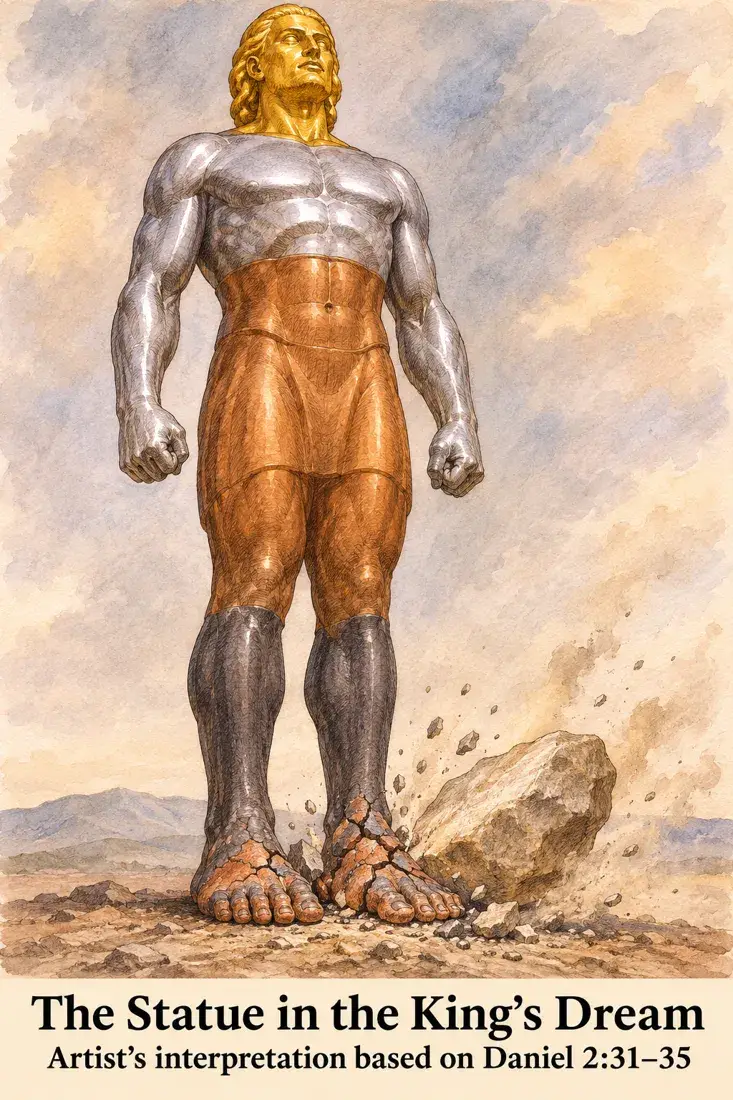
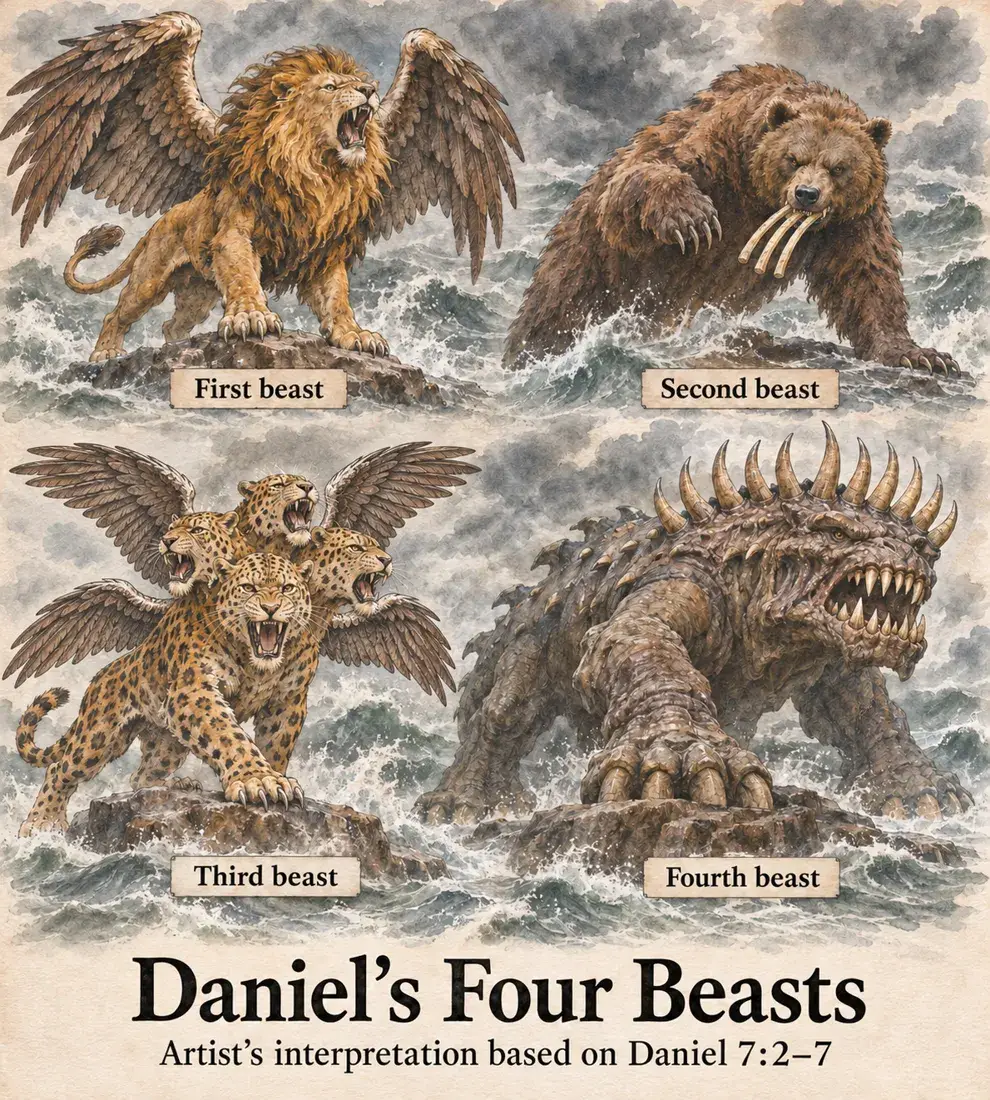
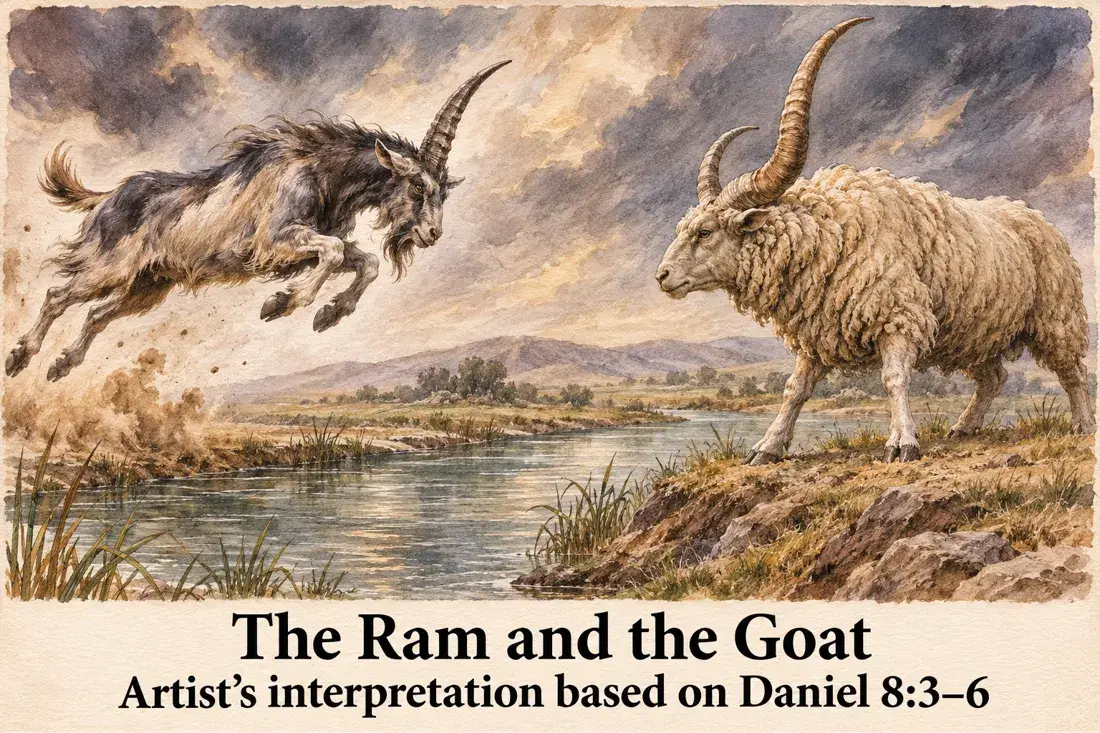
The twelve Minor Prophets
Hosea
Hosea exposes Israel’s unfaithfulness through the painful picture of a broken marriage. God’s judgment is real, yet His persistent love calls His people home (Hosea 2:14–23 BLB; 11:1–9; 14:1–9). The book deepens the Bible’s account of covenant love and undeserved mercy. Its language about God’s people is taken up in Romans 9:25–26 BLB.
Joel
Joel uses devastating disaster to call the people to heartfelt repentance and to speak about the day of the Lord. God promises to pour out His Spirit (Joel 2:12–17, 28–32 BLB). Peter cites that promise at Pentecost in Acts 2:16–21 BLB. Joel helps connect judgment, the call to return to God, and the Spirit’s work among His people.
Amos
Amos addresses people who are comfortable with their worship while exploiting others. He shows that covenant privilege brings responsibility, and that God sees injustice (Amos 3:1–2 BLB; 5:21–24). The closing promise of David’s restored house contributes to the New Testament discussion of the Gentiles being brought in (Amos 9:11–15 BLB; Acts 15:13–18 BLB).
Obadiah
Obadiah confronts Edom’s pride and its conduct toward Judah in a time of disaster. Watching a neighbor suffer does not excuse taking advantage of that suffering (Obadiah 10–14 BLB). The book places this judgment within the day of the Lord and ends with God’s kingdom (Obadiah 15–21 BLB). It reminds us that nations and family relationships alike fall under His moral authority.
Jonah
Jonah shows God’s compassion toward Nineveh and the prophet’s resistance to that mercy. The closing question asks us to consider whether our concerns agree with God’s (Jonah 3:1–4:11 BLB). Jesus uses Jonah in speaking of His own death and resurrection and in warning hearers who refuse to repent (Matthew 12:38–41 BLB). God’s concern reaches beyond the people we find easy to love.
Micah
Micah condemns corrupt leadership and exploitation while holding out hope for a restored people under God’s rule. He identifies Bethlehem in the promise of a coming ruler (Micah 5:2–5 BLB; Matthew 2:1–6 BLB). Micah 6:6–8 BLB challenges religious performance without faithful living, and 7:18–20 brings us back to God’s pardoning mercy. The book connects our future hope with how we treat people now.
Nahum
Nahum announces Nineveh’s fall and God’s judgment on violent imperial power. The city that received mercy in Jonah is now confronted for its cruelty. Nahum 1:2–8 BLB and 3:1–7 show that God’s patience does not mean He overlooks evil forever. Its place in the Bible includes comfort for people who wonder whether their oppressors will ever be called to account.
Habakkuk
Habakkuk brings hard questions to God about injustice and about His use of Babylon in judgment. The prophet is called to live by faith as he waits (Habakkuk 1:1–2:4 BLB). Romans 1:17 BLB takes up that language. The book ends with trust amid severe loss (Habakkuk 3:16–19 BLB), helping us learn faithfulness when we cannot yet see how God will put things right.
Zephaniah
Zephaniah announces the day of the Lord as judgment that reaches beyond Judah to the nations. Yet it also calls the humble to seek God and looks toward a purified people who serve Him (Zephaniah 2:1–3 BLB; 3:8–13). Its closing picture of God dwelling with and rejoicing over His restored people contributes to the Bible’s hope of salvation and renewal (Zephaniah 3:14–20 BLB).
Haggai
Haggai addresses returned exiles who have neglected the rebuilding of God’s house. His questions expose misplaced priorities, and God’s presence encourages the people to resume the work (Haggai 1:2–15 BLB; 2:1–9). The promise of a future shaking is taken up in Hebrews 12:26–28 BLB. Haggai connects everyday obedience with God’s larger purpose for His kingdom.
Zechariah
Zechariah encourages the returned community with visions of cleansing, restoration, and God’s presence. His book includes the humble King riding on a donkey, the pierced one, and the struck shepherd (Zechariah 9:9 BLB; 12:10; 13:7). The Gospels draw on these passages in telling Jesus’ story (Matthew 21:4–5 BLB; 26:31; John 19:37 BLB). Zechariah also looks toward God’s acknowledged rule over the earth (Zechariah 14:9 BLB).
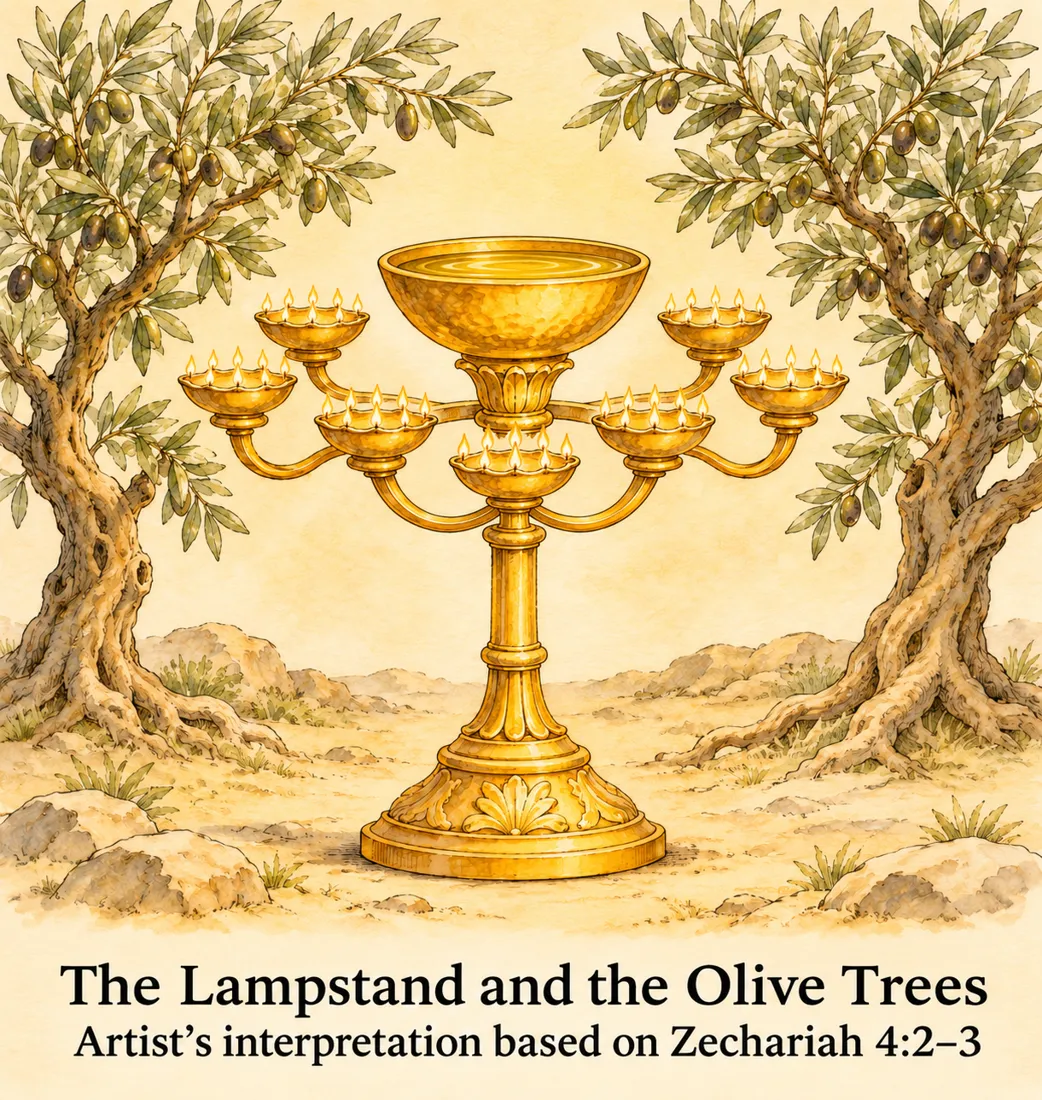
Malachi
Malachi challenges careless worship, unfaithfulness, and the assumption that serving God does not matter. He promises a messenger who will prepare the way and a coming day that will reveal God’s judgment (Malachi 3:1–5 BLB; 4:1–6). The Gospels connect the messenger promise with John the Baptist (Mark 1:2–4 BLB; Matthew 11:7–14 BLB). Malachi leaves us looking for God to act and calls us to faithfulness while we wait.
Revelation
Revelation is both prophecy and a message to actual churches (Revelation 1:1–4; chapters 2–3 BLB). It draws together images and promises from Daniel, Ezekiel, Isaiah, and other Scriptures. At its center is Jesus, the slain and victorious Lamb, who is worthy to carry out God’s purposes (Revelation 5:1–14 BLB).
The book calls believers to endure, confronts compromised worship, and shows the final defeat of evil. Its closing chapters bring the Bible’s account of creation, sin, and redemption to the promise of God dwelling with His people in a renewed world (Revelation 21:1–22:5 BLB). We need those closing chapters to understand the destination of the judgments that come before them.
Prophecy also appears outside these books. Moses, the Psalms, the Gospels, and the New Testament letters all contribute. Jesus teaches His disciples to read the Scriptures in light of His suffering and glory (Luke 24:25–27, 44–47 BLB). As we go on, let’s read each prophetic book in its own setting and within that whole account. We are listening to the God who keeps His word, and what He says calls for a response from us.
Part 6 Walking through Revelation
Read each chapter in your Bible first. Follow what John sees and hears, then ask what the Lord wants His people to believe and do. Let the questions lead to honest conversation, prayer, and obedience.
Revelation 1 Jesus among His churches
Read Revelation 1
Follow the passage
God gives the revelation to Jesus Christ, who makes it known to John for His servants (1:1–3). The blessing belongs to people who read, hear, and keep its words. John greets seven churches with grace and peace, then praises Jesus, who loves His people, frees them from their sins, and makes them a kingdom and priests (1:4–6). Before we hear about judgment, we hear about His saving love.
Jesus is identified as ruler over earthly kings, and His coming will be visible to every eye (1:5–8). John then introduces himself as their brother and fellow sufferer, sharing their patient endurance in Jesus (1:9–11). He writes from Patmos because of his witness. These churches need truth that will help them remain faithful under pressure.
When John turns toward the voice, he sees the risen Christ among the lampstands (1:12–16). The descriptions recall Daniel and show Jesus’ holiness, knowledge, and authority. John falls before Him, but Jesus places His hand on him and tells him not to fear (1:17–18). The One who died now lives forever and holds authority over death. He commands John to write and explains that the lampstands are the churches (1:19–20). Jesus is present among the people He addresses. He sees, loves, and corrects them.
What this asks of us
As we begin, let us ask for hearts that are ready to respond. Is there something we already know Jesus wants us to do, but have put off? His authority gives us reason to obey, and His love gives us reason to trust Him. We can bring our fear into His presence without pretending it is small. Our Savior has already entered death and risen from it. That is where our confidence begins.
Study questions
- What does this chapter show us about Jesus that our fears tend to forget?
- What would it mean to keep what we read this week?
Revelation 2 Love and faithfulness under pressure
Read Revelation 2
Follow the passage
Jesus commends Ephesus for hard work, endurance, and testing false teaching (2:1–7). Yet its first love has been abandoned. Jesus tells them to remember, repent, and return to their earlier works. His warning about removing their lampstand is serious, and His promise of the tree of life gives them reason to respond with hope.
Smyrna hears no rebuke (2:8–11). Jesus knows its poverty and suffering and calls it rich. More hardship is coming, including imprisonment, but He promises the crown of life to those faithful even unto death. The second death cannot take them. The severe language about hostile opponents addresses a particular local conflict. It does not authorize condemning Jewish people as a whole.
Pergamum has held to Jesus’ name where Antipas was killed, but some believers are accepting teaching that encourages idolatry and sexual immorality (2:12–17). Jesus commands repentance and promises provision and belonging to those who overcome. Thyatira also has much that Jesus commends: love, faith, service, endurance, and growing works (2:18–19). But it tolerates a teacher called Jezebel who leads His servants into similar sins. Her refusal to repent brings judgment, showing every church that Jesus searches hearts and minds (2:20–23). Those resisting her teaching are told to hold fast; Christ promises them a share in His rule and the morning star (2:24–29).
What this asks of us
These letters ask us to examine both our convictions and our conduct. Have we become busy while losing love? Are we excusing something harmful because the person teaching it is gifted or popular? Correction is part of the Lord’s care for His people. We should receive it honestly and help one another respond without pride. We should also stand beside suffering believers, remembering that earthly hardship does not mean Jesus has forgotten or rejected them.
Study questions
- Which commendation or correction speaks most directly to our church?
- How can we hold firmly to truth while growing in love?
Revelation 3 Hearing the honest assessment of Christ
Read Revelation 3
Follow the passage
Sardis has a name for being alive, but Jesus sees spiritual death (3:1–6). He commands the church to wake up, strengthen what remains, remember what it received, and repent. Yet some have remained faithful, and Jesus promises white garments and acknowledgment before His Father to the one who overcomes.
Philadelphia has little strength, but it has kept Christ’s word and refused to deny His name (3:7–13). The holy and true One holds the key of David. He sets an open door before them and promises that their opponents will recognize His love for them. The language about those opponents must not become a judgment on all Jewish people. Christians differ over the promise of protection from the worldwide hour of testing: some see removal before that period, others preservation through it. The immediate command is clear for every reader: hold fast. Jesus promises lasting belonging in God’s presence.
Laodicea’s wealth has hidden its need from itself (3:14–18). The church thinks it lacks nothing, while Jesus describes its spiritual poverty, blindness, and shame. Its lukewarm condition brings a severe warning. Still, His correction comes from love, and He calls it to earnest repentance (3:19). The picture of Jesus standing at the door is addressed here to a complacent church. He offers renewed fellowship and a share in His throne (3:20–22).
What this asks of us
What would Jesus say about us that our public reputation would miss? We can answer that question without despair because He speaks to restore His people. Smallness does not disqualify a faithful church, and prosperity does not prove a healthy one. Let us ask Him to uncover our self-deception, then respond in practical ways: return to prayer, confess neglected obedience, receive needed correction, and make room for fellowship with Him in the life we actually live.
Study questions
- Where might we be confusing success or reputation with spiritual health?
- What does holding fast look like when we feel we have little strength?
Revelation 4 The throne above every throne
Read Revelation 4
Follow the passage
John sees an open door in heaven and hears the invitation to come up and see what must take place (4:1–2). The passage describes John’s entrance into a vision. By itself, this invitation does not establish when the church is gathered to Christ. John’s attention immediately goes to a throne and the One seated upon it. Before the book shows the upheavals of earth, it lets troubled believers see the rule of heaven.
The throne is surrounded by brilliant color, a rainbow, twenty-four elders, lightning, thunder, burning lamps, and a glasslike sea (4:3–6). The scene recalls earlier visions of God’s glory, especially Ezekiel 1 BLB. John uses comparisons to describe this extraordinary sight. The elders wear crowns and sit on thrones, but their honor remains dependent on the One at the center. Their authority is received from God.
The four living creatures continually declare God’s holiness and everlasting life (4:6–8). Their worship draws the elders into thanksgiving and surrender (4:9–11). They place their crowns before Him and confess that everything exists because He created and willed it. This is the reason He is worthy of glory, honor, and power. We are learning to look at God and remember who He is. The churches facing persecution, compromise, and weakness all need this same view. Their circumstances do not determine who rules creation.
What this asks of us
Worship can help put our daily concerns in their proper place. We do not need to deny the trouble around us to confess that God is holy and sovereign. Take time to thank Him for something He has made and something He has entrusted to you. Then consider whether you are holding that gift as though it makes you independent of Him. The elders lay down their crowns. We can surrender our need to be important or in control.
Study questions
- Why might these churches need to see God’s throne before seeing future judgments?
- What would it mean for us to lay our crowns before Him?
Revelation 5 The Lamb is worthy
Read Revelation 5
Follow the passage
The One on the throne holds a scroll secured with seven seals, and an angel asks who is worthy to open it (5:1–3). No created being can do so. John weeps because the scroll remains closed (5:4). The vision places the unfolding of God’s purposes before us, and no creature has the worthiness to bring them about.
An elder directs John to the victorious Lion of Judah, the Root of David (5:5). When John looks, he sees a Lamb standing as though slain (5:6–7). The promised King has conquered through His sacrificial death and lives to act. Jesus, both Lion and Lamb, takes the scroll. The worship of the living creatures and elders explains His worthiness: His blood has purchased people for God from every tribe, language, people, and nation (5:8–10).
The living creatures and elders bow before the Lamb, with the prayers of the saints represented in golden bowls of incense. Notice where believers’ prayers appear. A vast company of angels then praises the Lamb’s worthiness (5:11–12). Finally, every creature joins in honoring the One on the throne and the Lamb, and the elders worship (5:13–14). The One opening the seals is the Savior who gave Himself for sinners. His justice and mercy belong to the same holy character.
What this asks of us
We often wish we could make the future safe through enough knowledge or influence. This chapter directs our confidence to Jesus. He is worthy, and He knows how to accomplish God’s purposes. Let that truth encourage prayer rather than anxious speculation. It should also widen our concern for people beyond our own background. The Lamb purchased a people from every nation. Our prayers, welcome, generosity, and witness should reflect the breadth of His saving work.
Study questions
- How does seeing the victorious Lion as the slain Lamb shape our understanding of power?
- What does this chapter teach us about the value of our prayers?
Revelation 6 The first six seals
Read Revelation 6
Follow the passage
The Lamb opens the first seal, revealing a white horse and a rider bent on conquest (6:1–2). Interpreters disagree about the rider’s identity; the text names his activity without explicitly naming him. The second seal brings a red horse whose rider removes peace, so people kill one another (6:3–4). The third seal reveals a black horse, scales, and ruinously expensive basic food, while oil and wine are spared (6:5–6). The fourth seal brings the pale horse, Death, and Hades, with authority over a fourth of the earth to kill through several means (6:7–8). The fraction marks the scope of their authority. Interpreters differ over whether it also indicates the proportion of humanity killed.
At the fifth seal, John sees the souls of people killed for God’s word and their testimony (6:9–11). They ask how long they must wait for justice. They receive white robes and are told to rest while the suffering of their fellow servants runs its course. Heaven hears their appeal, but God’s answer includes waiting. Their deaths have not defeated His promise.
The sixth seal brings an earthquake and terrifying disturbances in the heavens and earth (6:12–17). People across every social rank try to hide from God and the Lamb. They ask who can stand before judgment. Chapter 7 answers by showing those God sustains. Readers understand the seals, trumpets, and bowls either as largely successive judgments, often with later series unfolding from earlier ones, or as overlapping portrayals that revisit judgment and its completion. The order of John’s visions does not settle every question of timing.
What this asks of us
The martyrs teach us that we may ask God for justice without taking vengeance into our own hands. Their waiting also challenges the thought that His care always means immediate rescue. When suffering lasts, we can pray honestly and keep doing what is right. These visions should deepen compassion for people harmed by violence and hunger. They call us to humble repentance, not excitement about other people’s pain or confident predictions attached to each day’s news.
Study questions
- What do the martyrs receive while they wait for justice?
- How should this chapter affect the way we pray about violence and suffering?
Revelation 7 Those whom God brings through
Read Revelation 7
Follow the passage
Before further harm comes, four angels hold back the winds, and another angel commands that God’s servants be sealed (7:1–3). John hears a numbered company: 144,000 from the tribes of Israel, with twelve thousand named for each tribe in the list (7:4–8). Many understand these as a particular group of Jewish servants. Others understand the carefully arranged number and list as a symbolic picture of God’s complete people. In either reading, the assurance remains: God knows those who belong to Him and marks them as His own.
John sees an uncountable crowd from every nation, tribe, people, and language (7:9–12). They stand before the throne and the Lamb, wearing white robes and carrying palm branches. Their praise ascribes salvation to God and the Lamb, and the heavenly company joins their worship. Some interpreters see this as a second view of the numbered people; others see a distinct multitude. Neither reading permits us to erase Israel or despise any people.
An elder identifies the multitude as those coming out of the great tribulation, their robes cleansed through the Lamb’s blood (7:13–14). They serve Him, enjoy His shelter, and are delivered from hunger, thirst, and scorching heat (7:15–17). The Lamb becomes their Shepherd and leads them to living water, while God wipes away their tears. People stand before God because He saves and keeps them. Their security does not mean they never suffered. The tears He wipes away are real.
What this asks of us
This chapter gives suffering believers a future they can trust. We need not pressure grieving people to act as though they have no tears. God Himself will attend to those tears. For now, we can offer patient company, practical care, and the promises of the Shepherd. The crowd before His throne also tests any narrowness in our fellowship. If His salvation gathers people from every nation, our love should make room for those whose language and background differ from ours.
Study questions
- How does this chapter answer the question at the end of Revelation 6 BLB?
- Which promise would you share gently with someone carrying grief?
Revelation 8 Silence, prayer, and the first four trumpets
Read Revelation 8
Follow the passage
The seventh seal opens with silence in heaven for about half an hour (8:1). Seven angels receive trumpets, while another angel presents incense with the prayers of all the saints before God (8:2–4). Fire from the altar is then cast to earth, followed by thunder, lightning, and an earthquake (8:5–6). The prayers asking God to set things right have been heard.
The first trumpet brings hail and fire mixed with blood, burning a third of the earth and trees and all green grass (8:7). At the second trumpet, something like a burning mountain is thrown into the sea; a third of the sea becomes blood, a third of its living creatures die, and a third of the ships are destroyed (8:8–9). John gives a comparison rather than identifying the object. The third trumpet brings a burning star called Wormwood upon rivers and springs, making a third of the waters bitter and causing many deaths (8:10–11).
At the fourth trumpet, a third of the sun, moon, and stars is struck, reducing their light (8:12). Land, sea, drinking water, and heavenly lights are affected. The repeated thirds show devastating yet limited judgments, and the plagues recall God’s acts against Egypt. An eagle announces three woes connected to the remaining trumpets (8:13). The chapter shows the seriousness of rebellion against the Creator whose gifts sustain every breath and meal.
What this asks of us
We can easily treat clean water, food, and a stable world as things we are owed. This chapter calls us to receive them with gratitude and use them responsibly. It also encourages perseverance in prayer. We may not see how God will answer, but our prayers are not ignored in His presence. Let us ask for justice, mercy, and repentance, while caring for people whose basic needs are threatened. Worship should make us more attentive to their suffering.
Study questions
- What difference does the place of prayer make to how we read these judgments?
- Which everyday gift of God have we been taking for granted?
Revelation 9 The fifth and sixth trumpets
Read Revelation 9
Follow the passage
At the fifth trumpet, a fallen star receives the key to the abyss and opens it (9:1–2). Smoke rises, and locustlike creatures emerge with scorpionlike power (9:3–6). They are forbidden to harm vegetation or those bearing God’s seal. Their permitted work is torment rather than killing, and it lasts five months. The creatures’ unusual features, armor, wings, and stinging tails emphasize their terror; their king is the destroyer, named Abaddon and Apollyon (9:7–12). Their origin in the abyss points to spiritual evil. John does not identify modern weapons here.
The sixth trumpet sounds, and a voice from the golden altar orders the release of four angels bound at the Euphrates (9:13–16). Their appointed hour has arrived, and a vast mounted army appears. The vision describes horses with lionlike heads, deadly fire, smoke, sulfur, and serpentlike tails (9:17–19). A third of humanity is killed by these plagues. Attempts to identify its riders with a present-day nation go beyond what the passage itself establishes.
The chapter ends with a terrible human response (9:20–21). The survivors still refuse to repent of idolatry, murder, sorcery, sexual immorality, and theft. Suffering can leave people still clinging to the sins destroying them. We must notice this stubbornness, not become absorbed in identifying the creatures.
What this asks of us
We should not assume that a future crisis will make obedience easier. If God is showing us a sin today, today is the time to respond. Repentance includes naming it truthfully, seeking His forgiveness, and taking a practical step away from it. When others suffer, we must resist making unsupported claims about why it happened. Our calling is to offer help and speak truth with humility. These visions do not authorize us to pronounce God’s judgment on particular victims.
Study questions
- What limits are placed on evil in this chapter?
- Is there a correction from God that we are postponing until circumstances change?
Revelation 10 Receiving the word we must speak
Read Revelation 10
Follow the passage
Between the sixth and seventh trumpets, John sees a mighty angel descending with a little open scroll (10:1–3). The radiant angel stands on sea and land. His loud cry is answered by seven thunders. John is ready to write what they say, but a voice from heaven commands him to seal it up (10:4). Some things heard in this vision are deliberately withheld from us. We should not pretend to recover what God has withheld.
The angel raises his hand and swears by the Creator that there will be no more delay (10:5–7). God’s mystery will reach fulfillment with the seventh trumpet, as He announced through the prophets. The focus is the completion of His purpose, not an announcement that time itself will cease to exist.
John is told to take the little scroll and eat it (10:8–10). Like Ezekiel receiving God’s message in Ezekiel 2:8–3:3 BLB, he must receive the word deeply before speaking it. The scroll tastes sweet but turns bitter in his stomach. The image fits the mixed weight of this message: God’s promises bring joy, while His judgments and the suffering surrounding them bring grief. John then receives a renewed commission to prophesy concerning many peoples, nations, languages, and kings (10:11). He must faithfully speak what he has received, however difficult the message.
What this asks of us
Teaching Scripture requires more than repeating information we have collected. We need to let it search our own hearts. Its comfort should strengthen us, and its warnings should humble us. Before sharing a difficult passage, we can ask whether we are speaking with care for the people who will hear it. We can also say plainly when we do not know something. Faithfulness includes both courage to speak God’s word and restraint about claims He has not revealed.
Study questions
- What does the command not to record the thunders teach us about our limits?
- How might God’s word be both sweet and bitter as we receive it?
Revelation 11 Witnesses raised and the seventh trumpet
Read Revelation 11
Follow the passage
John is told to measure the temple, altar, and worshipers, while the outer court is left to the nations, who trample the holy city for forty-two months (11:1–2). Readers understand the temple as a first-century or future sanctuary, or a symbolic portrayal of God’s people and worship. God knows what belongs to Him while hostile powers act. Two witnesses prophesy in sackcloth for 1,260 days, with imagery recalling Zechariah’s olive trees and the ministries of Moses and Elijah (11:3–6). Some understand two individual future prophets; others see the church’s witness portrayed through these two figures. Their God-given ministry calls for repentance.
When their testimony is finished, the beast kills them, and their bodies lie exposed in the city where their Lord was crucified (11:7–10). The crucifixion reference points most directly to Jerusalem, here called spiritually Sodom and Egypt; some readers understand the city more broadly as the rebellious world. People celebrate the witnesses’ deaths. After three and a half days, God gives them life and calls them into heaven before their enemies (11:11–12). An earthquake follows; survivors fear and give glory to God (11:13–14). Public defeat cannot prevent God’s vindication.
The seventh trumpet announces the world’s kingdom becoming the kingdom of our Lord and His Christ (11:15–18). The elders worship because God’s reign brings judgment, reward for His servants, and the destruction of those who destroy the earth. God’s heavenly temple opens, revealing the ark of His covenant amid storm and earthquake (11:19). His promises remain secure. Further visions will develop this conflict and its certain resolution.
What this asks of us
Faithful witness may be rejected, mocked, or costly. This chapter encourages us to measure faithfulness by obedience to God rather than by an immediate welcome. We should speak with the humility suggested by sackcloth, not with delight in confrontation. If telling the truth brings a loss of approval, Christ still knows His servants. Let us pray for courage, support believers under persecution, and remember that God has the final word over both our testimony and our lives.
Study questions
- How does the witnesses’ story change our understanding of apparent failure?
- What reasons for worship do the elders name at the seventh trumpet?
Revelation 12 The dragon cannot defeat the purpose of God
Read Revelation 12
Follow the passage
John sees a woman clothed with the sun, with the moon beneath her feet and twelve stars upon her head (12:1–2). The imagery recalls Joseph’s dream in Genesis 37:9–10 BLB and roots the scene in Israel’s story. A dragon waits to destroy her child, but the Son destined to rule the nations is caught up to God and His throne (12:3–5). The woman then receives a prepared place in the wilderness for 1,260 days (12:6). The vision moves from the Messiah’s birth to His exaltation and His people’s continuing conflict.
War follows in heaven. Michael and his angels defeat the dragon, who is explicitly identified as the devil, Satan, and the deceiver of the world (12:7–9). Heaven celebrates the downfall of the accuser and the authority of Christ, while earth is warned that the devil’s fury is intense because his time is short (12:10–12). Believers overcome through the Lamb’s blood and their faithful testimony, even when faithfulness costs their lives.
The dragon pursues the woman, but she is carried to a place of nourishment and protection (12:13–16). The attempted flood is swallowed by the earth. Frustrated, the dragon turns against the rest of her offspring, identified as those who obey God and hold to the testimony of Jesus (12:17). The chapter distinguishes God’s preserving care from Satan’s persecution without promising that every believer escapes bodily harm. The victory described earlier includes martyrs. We can trust Christ while facing real hostility.
What this asks of us
When accusation and fear press upon us, we can return to what the Lamb has done. Our standing before God does not depend on answering every accusation with a record of our own goodness. We belong to the Savior who shed His blood for us. That assurance should strengthen truthful witness and patient obedience. We should also refuse to treat human opponents as people beyond the reach of grace. Our Lord calls us to faithfulness, prayer, and love.
Study questions
- How do believers overcome in this chapter, and what may that victory cost?
- What helps us resist accusation without becoming careless about obedience?
Revelation 13 Faithfulness when evil demands worship
Read Revelation 13
Follow the passage
A beast rises from the sea with features recalling the beasts of Daniel 7 BLB, and the dragon gives it power and authority (13:1–2). A seemingly fatal wound is healed, leading people to marvel and worship both the beast and the dragon (13:3–4). The beast speaks against God, receives authority for forty-two months, and makes war on the saints (13:5–8). Its frightening victories happen within permitted, bounded authority. The passage calls believers to endurance and faith rather than promising them freedom from captivity or death (13:9–10).
A second beast rises from the earth, looking lamblike but speaking like the dragon (13:11–12). It promotes worship of the first beast and performs impressive signs (13:13–14). An image is made, and those who refuse to worship it face death (13:15). A gentle or religious appearance can conceal an ungodly purpose. Miraculous-looking power does not make a message true. We must ask what it says about God and what kind of allegiance it demands.
Economic pressure joins religious and political coercion. People are required to receive the beast’s mark to buy or sell, and John calls for wisdom concerning the number 666 (13:16–18). The text connects the mark with the beast’s identity and worship. It does not name a modern device, financial service, medical treatment, or national policy. The chapter’s central pressure is plain: people are urged to exchange faithfulness to God for safety, acceptance, and the ability to participate in ordinary life. We must recognize that pressure and refuse false worship.
What this asks of us
We need discernment before pressure becomes severe. Are we learning to test what we hear by Scripture, or are we easily won over by popularity, power, and impressive claims? Ordinary choices can train us in obedience: telling the truth when it costs, refusing dishonest gain, and honoring Christ when others do not. Churches should also become communities of practical support. A believer who loses work or acceptance because of faithfulness should not have to carry that burden alone.
Study questions
- What methods do the two beasts use to gain allegiance?
- How can our church help someone facing a costly choice of conscience?
Revelation 14 The people of the Lamb and the coming harvest
Read Revelation 14
Follow the passage
After the beasts’ threats, John sees the Lamb on Mount Zion with the 144,000 bearing His name and His Father’s name (14:1–5). They sing a new song and are described as redeemed, truthful, and faithful followers. Readers differ about whether the language of virginity describes literal celibacy or symbolizes freedom from idolatrous unfaithfulness. Neither reading should make marriage itself unclean. Here we see the security and devotion of those who belong to the Lamb.
Three angels then announce messages to the world. The first calls every people to fear God, give Him glory, and worship the Creator because judgment has arrived (14:6–7). The second announces Babylon’s fall (14:8). The third warns of the dreadful consequences of worshiping the beast and receiving its mark (14:9–11). The warnings are followed by a call for the saints’ endurance and a blessing on those who die in the Lord (14:12–13). They rest from their labor, and their works follow them. Their faithfulness is remembered.
Two harvest scenes close the chapter. One like a son of man, crowned and seated on a cloud, reaps the earth (14:14–16). Some understand this grain harvest as gathering God’s people; others understand it as another picture of judgment. The second harvest is explicit: grapes are gathered into the winepress of God’s wrath (14:17–20). The image of blood shows judgment’s dreadful extent. Human rebellion will face God’s verdict. The Lamb’s people have reason to remain faithful.
What this asks of us
Following the Lamb means letting His ways shape our conduct even when another path seems easier. The passage gives special attention to truthfulness. We can ask whether our words at home, at work, and in church reflect the Lord we claim to follow. Its warning should also deepen our concern for people who do not know Him. We should speak of judgment with seriousness and compassion, while offering the good news of the Savior who receives those who come to Him.
Study questions
- What differences do you notice between the beast’s followers and the Lamb’s followers?
- How does the promise of rest help us keep serving faithfully?
Revelation 15 Worship before the final plagues
Read Revelation 15
Follow the passage
John sees seven angels with seven final plagues, in which God’s wrath reaches completion (15:1). Before those plagues are poured out, the vision pauses over people who have conquered the beast, its image, and the number of its name (15:2). They stand beside or upon a glasslike sea mingled with fire, holding harps given by God. Those the beast appeared to defeat are now called victorious.
They sing the song of Moses and the Lamb, praising God’s mighty works, righteous ways, and holiness (15:3–4). The song recalls Israel’s deliverance through the sea in Exodus 15 BLB and places the Lamb’s victory within God’s long work of rescue. Their praise looks toward the nations coming to worship because His righteous acts have been made known. Salvation and judgment belong together in this scene: God rescues His people by bringing the power that enslaves and destroys them to an end.
The heavenly sanctuary opens, and the seven angels emerge in clean, bright clothing (15:5–6). One of the living creatures gives them seven golden bowls filled with God’s wrath (15:7). Smoke from His glory and power fills the temple, and no one can enter until the plagues are finished (15:8). The imagery recalls God’s presence filling the tabernacle in Exodus 40:34–35 BLB. The chapter asks us to approach the coming judgments with the worshipers’ confession that His ways are righteous and true. His judgment is free from human cruelty and dishonesty.
What this asks of us
We need songs and prayers that tell the truth about God when circumstances are difficult. Worship can remember His past faithfulness, confess His present holiness, and look toward what He has promised. That does not require us to pretend we understand every sorrow. It means bringing our questions before the One whose character is trustworthy. This week, choose a passage or hymn that speaks clearly of His goodness and read or sing it slowly enough to let its truth settle.
Study questions
- Why is it important that the victors praise God’s ways before the bowls are poured out?
- What past act of God’s faithfulness helps you trust Him now?
Revelation 16 The seven bowls of judgment
Read Revelation 16
Follow the passage
A voice from the temple commands the seven angels to pour out their bowls (16:1). The first bowl brings painful sores upon those who bear the beast’s mark and worship its image (16:2). The second turns the sea to blood, and every living thing in it dies (16:3). The third turns rivers and springs to blood (16:4–7). The angel of the waters and the altar declare God’s judgment righteous because those judged shed the blood of His saints and prophets. The passage gives the moral reason for judgment.
The fourth bowl causes the sun to scorch people, yet they curse God and refuse to repent (16:8–9). The fifth falls on the beast’s throne, darkening its kingdom and bringing anguish, but again the response is blasphemy rather than repentance (16:10–11). Consequences still do not produce a willing heart, as we saw after the sixth trumpet.
The sixth bowl dries the Euphrates, preparing a way for kings from the east (16:12). Demonic spirits from the dragon, beast, and false prophet then gather the kings of the whole world for battle at Armageddon (16:13–16). In the middle of this gathering, Jesus gives a personal warning to remain awake and clothed, ready for His unexpected coming. The seventh bowl is poured into the air, and the throne announces completion (16:17–21). Lightning, thunder, an unprecedented earthquake, falling cities, Babylon’s remembered guilt, disappearing islands and mountains, and enormous hail follow. The account ends with continued blasphemy. The following chapters develop these scenes and explain the outcome.
What this asks of us
Jesus’ call to stay awake addresses our readiness to obey Him. We can be fascinated by worldwide events while neglecting our own conduct. Is there something we are defending that His word tells us to surrender? These judgments call us to repent while we hear His voice. They also remind us that evil systems cannot offer lasting safety. Our confidence belongs in Christ, and our response to threatened people should include compassion, practical help, and a clear witness to His mercy.
Study questions
- What do the repeated refusals to repent reveal about the human heart?
- How does Jesus’ warning in verse 15 bring the chapter’s message into our daily lives?
Revelation 17 The attraction and ruin of Babylon
Read Revelation 17
Follow the passage
An angel shows John the judgment of Babylon, portrayed as a wealthy prostitute seated on a scarlet beast (17:1–6). Kings have joined in her immorality, the nations have been intoxicated by her influence, and she is drunk with the blood of Jesus’ witnesses. The costly clothing and golden cup make her look desirable, but the cup is full of corruption.
The beast’s strange history, its ascent from the abyss, and its coming destruction expose the temporary nature of its power (17:7–11). The seven heads are explained as mountains and kings; the ten horns are kings who receive brief authority and give it to the beast (17:12–13). Many interpreters understand the city ruling over kings and the seven-mountain imagery as directing early readers’ attention toward Rome. Christians differ about whether and how that proposed first-century reference relates to a final Babylon or a recurring pattern of rebellious empire. The identity of each king remains disputed.
The united rulers make war on the Lamb, but He overcomes them because He is Lord of lords and King of kings, with His called, chosen, and faithful people beside Him (17:14). The waters represent peoples and nations (17:15). Then the alliance turns upon itself: the beast and horns destroy the woman they carried (17:16–18). God brings His purpose to completion even through their destructive choices. Their wickedness cannot defeat His word. Babylon’s influence cannot secure her future or her allies’ loyalty.
What this asks of us
We should be cautious when wealth, influence, or access requires us to excuse what God condemns. An attractive opportunity may come with a demand that we stop asking honest questions. This chapter encourages us to examine the cost of our alliances. Does a relationship or institution draw us toward truth and mercy, or ask us to overlook harm? We can work responsibly in the world while refusing to give any earthly power the loyalty that belongs to Christ.
Study questions
- How does John’s vision uncover what Babylon’s outward splendor hides?
- Where do we need wisdom about the loyalties we are being asked to give?
Revelation 18 When a wealthy city falls
Read Revelation 18
Follow the passage
A powerful angel announces Babylon’s fall and exposes the corruption beneath its prosperity (18:1–3). Kings and merchants have shared in its unfaithfulness and luxury. A heavenly voice calls God’s people to come out so they will not share in its sins and plagues (18:4–8). At minimum, this requires a decisive refusal to participate in its wrongdoing; readers differ about the extent to which a literal departure is also envisioned. Babylon boasts that grief cannot touch her, but judgment comes suddenly.
Kings, merchants, and seafarers watch from a distance and mourn (18:9–19). Their repeated cries emphasize the speed of the city’s collapse. Notice what the merchants grieve: no one buys their cargo anymore. The long list moves through precious materials, fine clothing, food, livestock, and finally enslaved human beings. The trade has treated people as merchandise. Human lives have disappeared into calculations of profit. The mourners recognize their loss without showing repentance for the suffering that supported their wealth.
Heaven and God’s people are called to rejoice because justice has been done (18:20). An angel throws a heavy stone into the sea to portray Babylon’s final downfall (18:21). Music, craftsmanship, ordinary labor, lamplight, and wedding celebrations fall silent (18:22–23). The final verse explains the judgment by returning to bloodshed: Babylon bears responsibility for the deaths of prophets, saints, and others slain on earth (18:24). God sees the people harmed beneath this prosperity.
What this asks of us
We can examine our own habits without pretending we understand every part of a complicated economy. Do we make excuses for dishonesty because it benefits us? Do we treat employees, customers, or neighbors mainly in terms of what they can provide? Coming out of Babylon’s sins begins with honest choices where we have responsibility. We can pay fairly, refuse exploitation, practice generosity, and care about the people affected by our decisions. Their worth is greater than what they can earn for someone else.
Study questions
- What do Babylon’s mourners reveal about what they value?
- What is one practical way to put people’s dignity ahead of personal gain?
Revelation 19 The wedding and the returning King
Read Revelation 19
Follow the passage
Heaven answers Babylon’s fall with praise because God’s judgments are true and righteous and His murdered servants have been vindicated (19:1–5). The celebration then turns to the marriage of the Lamb (19:6–9). His bride has made herself ready, and her bright linen is given to her, representing the righteous deeds of the saints. The passage holds together God’s gift and His people’s active faithfulness. The wedding supper promises joyful fellowship. When John falls before the angel, the angel refuses worship and directs him to God (19:10).
Heaven opens, and Jesus appears on a white horse, named Faithful and True (19:11–16). He judges and makes war in righteousness. His many crowns, His searching eyes, His blood-marked robe, and the sword from His mouth reveal His authority. The blood on His robe is understood as recalling His sacrifice or His judgment of enemies; compare Isaiah 63 BLB. His identity is unmistakable: He is the Word of God, King of kings, and Lord of lords. Heaven’s armies follow Him, but the decisive authority belongs to Him.
An angel calls birds to another kind of supper, portraying the defeat of those gathered against Christ (19:17–18). The beast, the kings, and their armies assemble for war, yet the story gives no prolonged struggle between equal opponents (19:19–21). The beast and false prophet are seized and cast into the lake of fire, and their armies fall under the King’s judgment. Chapter 13’s deception and coercion end. Christ’s return brings both rescue and judgment.
What this asks of us
Hope in Christ’s return should give shape to the way we prepare for Him. The bride’s clothing directs our attention to faithful conduct: truthfulness, mercy, holiness, and steady service. We do not earn His invitation, but His grace produces a response. The returning King’s judgment also frees us from trying to take His place. This vision gives no permission for religious violence. We can seek justice, love our enemies, and leave final judgment to the One who judges righteously.
Study questions
- How do God’s gift and our faithful response appear together in the bride’s preparation?
- What does the contrast between the marriage supper and the supper of judgment reveal about Christ’s return (19:9, 17–18)?
Revelation 20 Christ reigns and evil meets its end
Read Revelation 20
Follow the passage
An angel binds Satan and shuts him in the abyss for a thousand years, so that he cannot deceive the nations until that period ends (20:1–3). John then sees thrones and faithful witnesses who suffered rather than worship the beast (20:4–6). They come to life and reign with Christ. Verse 5 says the rest of the dead do not come to life until the thousand years end. Those sharing in the first resurrection are blessed: the second death has no power over them. Earthly rulers condemned them; Christ vindicates them.
This chapter is central to understanding the thousand years. Some readers understand it as Christ’s future reign following His return, with the first resurrection bodily. Others generally understand the thousand years as Christ’s present reign, with the first resurrection variously understood as new birth or as the heavenly life and reign of departed believers. Still others expect an extensive triumph of the gospel in history before Christ returns after the thousand years. These readings differ over the relationship to chapter 19, Satan’s binding, and the first resurrection.
When the thousand years end, Satan is released and deceives the nations, called Gog and Magog, gathering them against God’s people (20:7–9). Fire ends the assault, and the devil is cast into the lake of fire, where the beast and false prophet already are; the passage describes their torment as continuing forever (20:10). John then sees the great white throne (20:11–15). The dead stand before God, books are opened, and people are judged according to their works. Death and Hades surrender their dead and are themselves cast into the lake of fire. Those absent from the book of life face the second death. No wrong escapes God, and death itself is removed.
What this asks of us
This chapter should make us serious about how we live and grateful for the Savior who gives life. Judgment according to works means our choices matter; it does not cancel Revelation’s repeated testimony that redemption comes through the Lamb’s blood. We should resist both careless living and the thought that we can purchase salvation through a good record. Let us receive Christ’s grace, obey Him in the present, and trust Him to deal finally with evil, including wrongs no earthly court has resolved.
Study questions
- What promises remain clear even where Christians differ about the millennium?
- How should final judgment affect our honesty and our treatment of others?
Revelation 21 God makes His home with His people
Read Revelation 21
Follow the passage
John sees a new heaven and a new earth, followed by the holy city coming down from God, prepared as a bride (21:1–2). The great announcement is that God will dwell with His people (21:3–4). He will wipe away their tears, and death, mourning, crying, and pain will be gone. The One on the throne declares that He is making all things new and promises living water freely to the thirsty (21:5–7). This hope is accompanied by a warning that persistent rebellion belongs to the second death (21:8).
An angel shows John the bride, portrayed as the New Jerusalem radiant with God’s glory (21:9–14). Its gates bear the names of Israel’s twelve tribes, and its foundations bear the names of the Lamb’s twelve apostles. The measurements, stones, pearl gates, and gold communicate beauty, fullness, and security (21:15–21). Its equal length, width, and height recall the shape of the Most Holy Place in 1 Kings 6:20 BLB.
There is no temple building because the Lord God Almighty and the Lamb are its temple (21:22). Their glory supplies its light, the nations walk by that light, and kings bring their glory into it (21:23–26). Its open gates express safety, while the exclusion of uncleanness assures us that evil will never regain entry (21:27). Only those written in the Lamb’s book of life belong there. Our hope includes life with God in a renewed creation, with community, resurrection bodies (1 Corinthians 15:42–54), and healing (Revelation 22:2).
What this asks of us
The promise that God will remove sorrow allows us to grieve with hope. We do not need to call death good in order to trust Him; He promises to remove it. We can comfort one another with His coming presence while offering practical care today. This future also gives us reason to pursue holiness. If the life ahead is free from cruelty, deceit, and exploitation, we should not make peace with those things in our lives now.
Study questions
- Which part of God’s promised future speaks most deeply to a sorrow you carry?
- What do the open gates and the absence of a temple tell us about life in God’s presence (21:22–27)?
Revelation 22 Come, Lord Jesus
Read Revelation 22
Follow the passage
The river of life flows from the throne of God and the Lamb, and the tree of life bears twelve kinds of fruit, yielding fruit each month, with leaves for the healing of the nations (22:1–2). The curse is gone. God’s servants worship Him, see His face, bear His name, and reign forever in His light (22:3–5). The life lost in Genesis reaches its promised restoration. God welcomes His people into meaningful service and lasting fellowship.
The angel affirms the trustworthiness of the message, and Jesus promises His coming, blessing those who keep the prophecy (22:6–7). John again falls before the angel and is again directed to worship God (22:8–9). The book must remain open because its message is timely and urgent (22:10–11). The warning about continued wrongdoing shows the seriousness of a settled response. Jesus comes with recompense, and the contrast between those welcomed into the city and those remaining outside calls hearers to respond now (22:12–15).
Jesus identifies Himself as David’s root and descendant and the bright morning star, then affirms that His testimony is for the churches (22:16). The Spirit and the bride say come, and the thirsty are invited to receive life’s water freely (22:17). The warning against adding to or taking away from this prophecy calls us to handle its words faithfully (22:18–19). We must neither invent revelations nor remove truths we find uncomfortable. The final promise of Jesus’ coming is answered with prayer for His return, and the book ends with grace (22:20–21). Its closing prayer expresses longing for the Lord Himself.
What this asks of us
We have reached the end of the book, but its call continues into ordinary life. We can ask what the Lord has shown us that now needs a willing response. Perhaps we need to repent, forgive, persevere, speak truth, or comfort someone who is weary. We can also pass on His invitation to the thirsty. Readiness for Jesus grows through faithful love and obedience today. Our hope rests in His promise, and His grace sustains us as we wait.
Study questions
- What has Revelation shown you about Jesus that you want to carry into daily life?
- What specific response will you make as you pray for His coming?
Sources for further checking
These are representative first-party statements or primary historical writings, not claims that every member of a tradition holds the same view. Scripture references in the study supply the principal basis for the biblical discussion.
1. Dallas Theological Seminary, Doctrinal Statement, especially articles XVIII–XX; Assemblies of God USA, Premillennial Eschatology, adopted 2024.
2. R. C. Sproul, Understanding Eschatology, sermon transcript hosted by The Gospel Coalition. Sproul connects many passages with the first century while rejecting the claim that Christ’s promised return and the resurrection are wholly past.
3. International Preterist Association, What Is the Preterist View and Questions and Answers. These describe that ministry’s position, not historic Christian consensus.
4. Reformed Church in America, Nicene Creed.
5. Vern Poythress, The Returning King, discussion of interpretive schools, published on the author’s site.
6. General Conference Biblical Research Institute, What Prophecy Means to This Church and Ellen G. White and the Interpretation of Daniel and Revelation.
7. Assemblies of God USA, The Rapture of the Church.
8. Gleason Archer and others, Three Views on the Rapture, earlier edition, publisher-supplied preview. Archer’s contribution represents his argument, not an official denominational position.
9. John Piper, Definitions and Observations Concerning the Second Coming of Christ; Zondervan Academic, Three Views on the Rapture, identifying Douglas Moo’s argument for the gathering after the tribulation.
10. Zondervan Academic, Three Views on the Rapture, identifying Alan Hultberg’s argument for the gathering after severe persecution but before God’s climactic wrath.
11. Justin Martyr, Dialogue with Trypho, chapters 80–81.
12. Seventh-day Adventist Church, Fundamental Beliefs 25 and 27.
13. Lutheran Church–Missouri Synod, A Bible Study Companion to A Lutheran Response to the Left Behind Series, 2006, printed pages 4 and 6; Augustine, City of God, book 20, especially chapters 7–9.
14. Orthodox Presbyterian Church, Millennial Views. This Q&A explains the church’s allowance for different understandings of the thousand years, and its distinction between church membership and ordained office for followers of the end-times system taught in the Scofield Reference Bible and by later teachers of that same system.
15. Sefaria, the Jewish arrangement of the Writings, including Daniel and Lamentations.
16. S. Lewis Johnson Institute, The Church in the Tribulation, the teacher’s account of Darby, the Brethren, and Scofield’s influence.
17. Vatican, Catechism of the Catholic Church 668–677.