What’s What in the New Testament
The groups, parties and peoples you meet in the Gospels and Acts
Who were the Pharisees? How were the scribes different? Why were Samaritans and Jews at odds? Each entry below explains one group: who they were, how they responded to Jesus, and where they appear in the early church. To see how all the leaders fit together, see the charts in Who’s Who.
Religious movements
The Pharisees
A Jewish religious group you meet often in the Gospels and again in the early church.
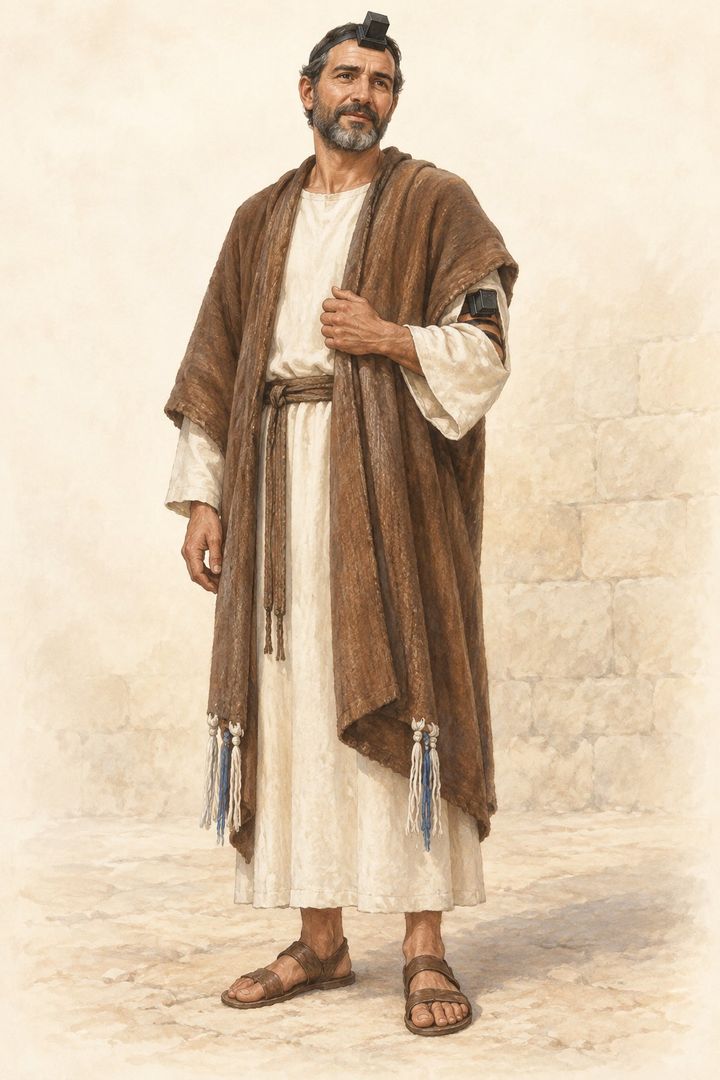
Serious about their religion
They studied the Law of Moses and sought to follow it carefully in daily life.
They also followed traditions passed down by earlier teachers about how to keep that Law.
They believed in the resurrection of the dead, angels, and spirits (Acts 23:8).
Sincerity alone does not make us right.
Why many opposed Jesus
Jesus ate with sinners, healed on the Sabbath, and challenged their traditions. These disputes brought His authority into question (Mark 2:15–17; 3:1–6).
He exposed traditions that set aside God’s commands, and religious appearances that concealed sinful hearts (Mark 7:6–13; Matthew 23:23–28).
Jesus called them to obey God from the heart.
They did not all respond alike
Nicodemus came to Jesus with questions and later helped with His burial (John 3:1–2; 19:39–40). Paul had been a Pharisee. He came to trust Christ instead of his own religious accomplishments (Philippians 3:4–9).
Their place in the early church
Some Pharisees became believers, yet insisted that Gentiles—people who were not Jews—must be circumcised and keep the Law of Moses. The apostles rejected that requirement: Jews and Gentiles alike are saved through the grace of Jesus (Acts 15:5–11).
The Sadducees
A Jewish religious party closely connected with wealth, priestly leadership, and the Jerusalem Temple.
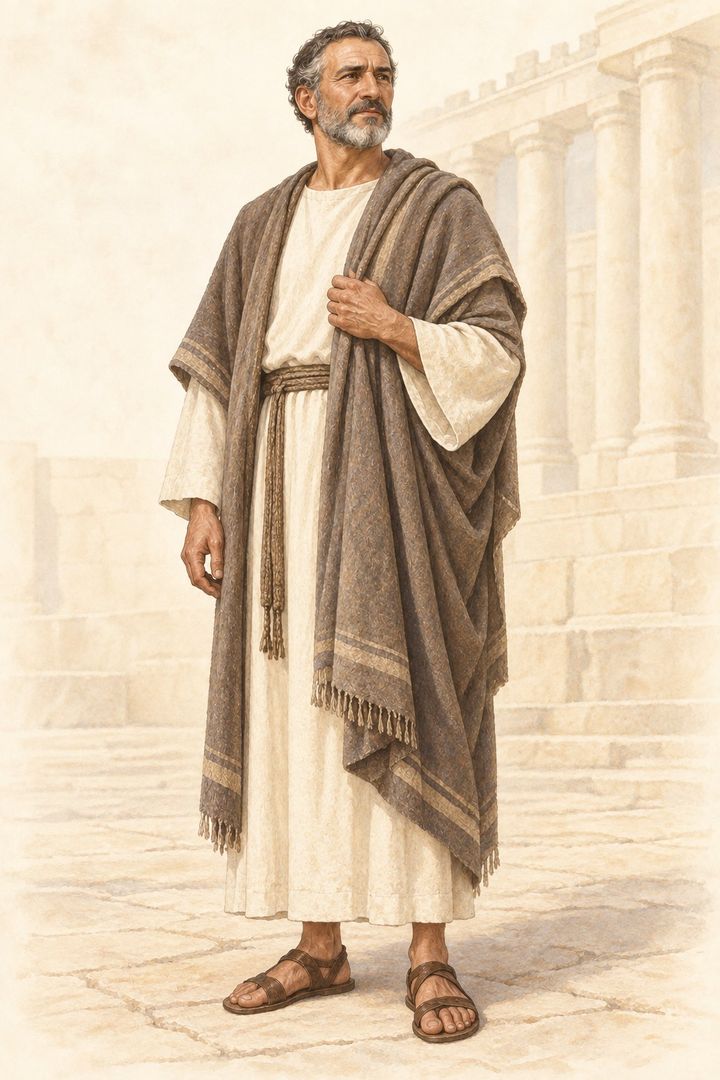
A small group with influence
They were closely connected with Jerusalem’s wealthy families and priestly leadership.
Acts 5:17 links the high priest and his associates with the Sadducees.
Josephus, a first-century Jewish historian, describes their support among the wealthy rather than the wider population.
Their beliefs differed
Unlike the Pharisees, the Sadducees denied the resurrection of the dead. Acts also says they denied angels and spirits (Acts 23:8).
They treated the written Law as binding, but rejected the Pharisees’ inherited traditions as requirements. Josephus records this disagreement.
They challenged Jesus
They asked Jesus about a woman who had married seven brothers in succession. Whose wife would she be in the resurrection?
Jesus showed that their argument misunderstood both Scripture and God’s power. He answered them from the account of Moses and the burning bush (Mark 12:18–27).
Their opposition to the church
The Sadducees opposed the apostles’ preaching of resurrection in Jesus. Acts records arrests of the apostles involving Sadducean leaders (Acts 4:1–3; 5:17–18).
What happened after AD 70
The Romans destroyed Jerusalem’s Temple in AD 70. With that center of their power gone, the Sadducees disappeared as an identifiable party.
Historical sources: Josephus, Antiquities 13.10.6; Jewish Encyclopedia, “Sadducees,” section on their decline.
The Herodians
Supporters of the Herodian ruling family who joined in opposition to Jesus.
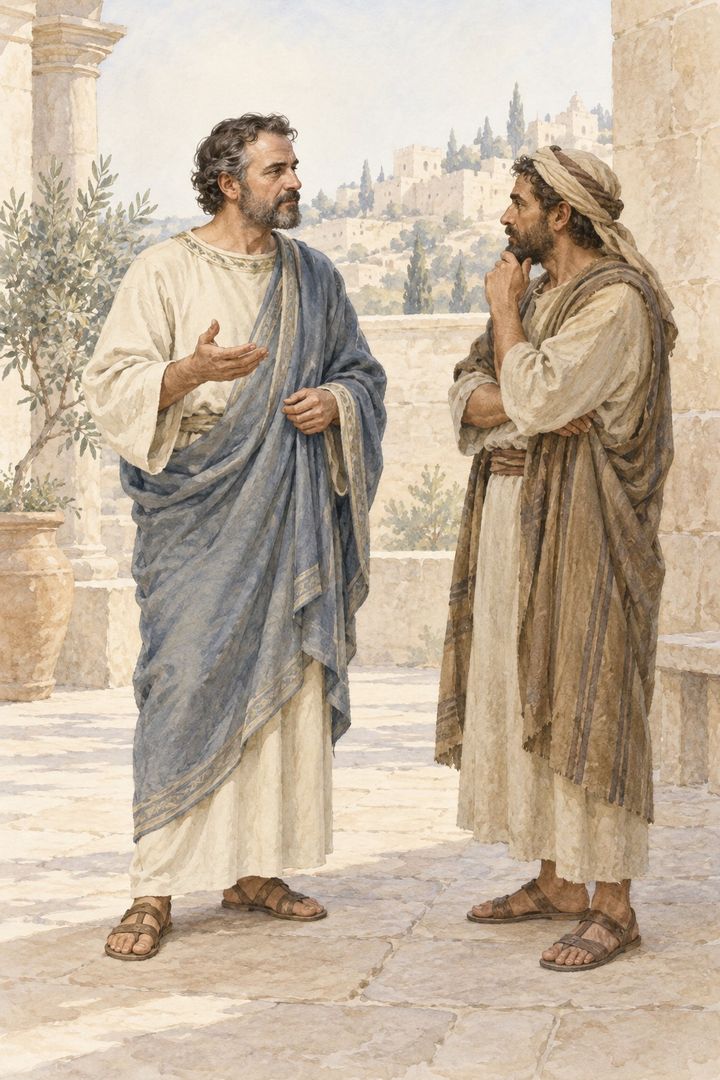
Political loyalty
The Herodians are generally understood to have supported Herod’s ruling family, especially Herod Antipas, who ruled Galilee during Jesus’ ministry.
Their name points to a political loyalty. It does not identify a separate set of religious beliefs.
We do not know exactly how they were organized or who belonged to the group.
An alliance against Jesus
After Jesus healed a man’s withered hand on the Sabbath, the Pharisees went out and consulted with the Herodians about destroying Him (Mark 3:1–6).
That is what makes this so surprising: two groups who disagreed about nearly everything agreed that Jesus had to be stopped. Mark records their cooperation without explaining the personal motives of every man involved.
A question meant to trap Him
Later, some Pharisees and Herodians asked Jesus whether it was lawful to pay taxes to Caesar. They wanted to catch Him in His words (Mark 12:13–17).
The question touched a sensitive issue: Roman authority over the Jewish people. Either answer would have offended one side. Jesus recognized their hypocrisy and asked whose image and inscription were on the coin.
His answer directed them to give Caesar what belonged to Caesar and God what belonged to God. They marveled at Him.
The Zealots
Jewish resistance to Roman rule joined a desire for freedom with strong religious conviction.
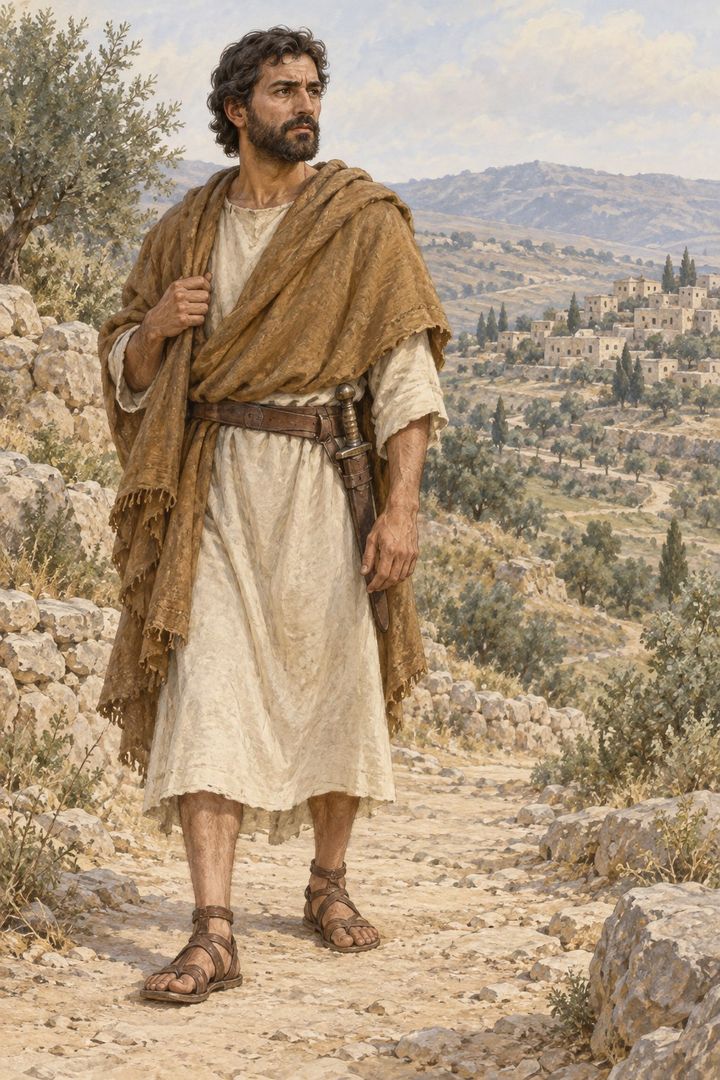
God alone as ruler
Some Jews believed that accepting foreign rule denied God’s rightful authority over Israel.
Josephus describes followers of Judas the Galilean as deeply committed to liberty and to God alone as their ruler.
For these men, resistance to Rome involved their faith as well as their nation’s freedom.
Use the name carefully
Judas the Galilean led resistance connected with the census of AD 6. Acts recalls that he drew people after him, perished, and left his followers scattered (Acts 5:37).
The relationship between this earlier resistance and the organized Zealots of the later Jewish revolt is debated. We should not assume that every opponent of Rome belonged to one continuous organization.
Armed resistance formed part of the troubled setting of the New Testament, but the labels Zealots and Sicarii should not simply be treated as two names for the same group.
Simon, one of the Twelve
Luke names one of Jesus’ apostles as Simon the Zealot (Luke 6:13–16). The name may point to political associations or to zeal, but the Gospel does not explain his earlier life.
We are not told that Simon fought against Rome, belonged to an organized party, or committed an assassination. We should leave those details unwritten.
Leaders and officials
The Scribes
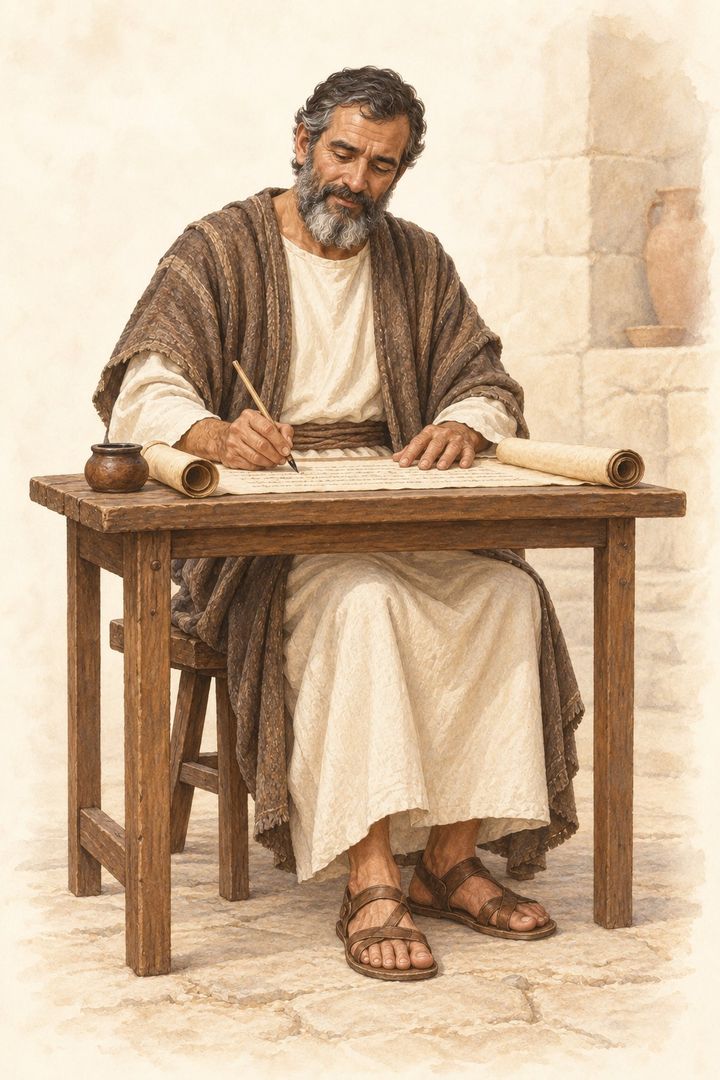
Experts in Jewish law whose teaching helped shape how people understood and practiced their faith.
Teachers of God’s Law
A scribe copied writings and explained God’s Law (Matthew 23:2).
Were scribes and Pharisees the same?
A Pharisee belonged to a movement devoted to the Law and its traditions.
Some men were both (Mark 2:16; Acts 23:9). Not every scribe was a Pharisee, and not every Pharisee was a scribe.
Why many opposed Jesus
When Jesus forgave a man’s sins, some scribes accused Him of blasphemy—dishonoring God. They knew that God forgives sins, but failed to recognize Jesus’ authority (Mark 2:5–12).
Others objected to His meals with sinners and His disciples’ failure to follow ceremonial washing traditions (Mark 2:15–17; 7:1–8).
Jesus exposed how human tradition could take the place of God’s Word.
They did not all respond alike
One scribe agreed with Jesus that loving God and loving our neighbor matters more than burnt offerings and sacrifices. Jesus recognized his wise answer and told him he was near God’s kingdom (Mark 12:28–34).
Their place in the early church
Scribes were among the leaders who questioned Peter and John after a lame man was healed. That council ordered them to stop speaking and teaching in Jesus’ name (Acts 4:5–18).
The Chief Priests
Leading priests associated with the Jerusalem Temple and its worship.
Who were they?
Think of the leading men among the priests, not every priest who served in the Temple.
This group included the current high priest, former high priests, and leading members of influential priestly families.
They held considerable authority in religious matters and public life.
High priest or chief priests?
The high priest held the highest priestly office. The chief priests were the wider leadership group. Caiaphas was high priest during Jesus’ trial. Chief priests and elders gathered at his home to plan Jesus’ arrest and death (Matthew 26:3–5).
Why did they oppose Jesus?
After Jesus drove buyers and sellers from the Temple, the chief priests and scribes sought to destroy Him. They feared Him because the people were astonished at His teaching. They also challenged His authority (Mark 11:15–18, 27–28).
They brought Jesus before Pilate, accused Him, and stirred up the crowd to seek Barabbas’s release instead (Mark 15:1–15).
As the church began
Peter and John were arrested after preaching about Jesus’ resurrection. The council, including members of the high-priestly family, ordered them to stop teaching in His name (Acts 4:1–6, 18).
Many priests became obedient to the faith. Scripture does not specifically identify them as chief priests (Acts 6:7).
Priests and Levites
Two related groups with different responsibilities in Israel’s worship.
Who were the priests?
God set apart Aaron and his sons to serve as priests. Aaron belonged to the tribe of Levi, but the priesthood was reserved for his family line.
The priests were responsible for the altar, sacrifices, and duties within the sanctuary. Other Levites assisted them but could not take over their priestly work (Numbers 18:1–7).
Being a Levite did not, by itself, qualify a man to serve as a priest.
Who were the Levites?
The Levites belonged to the tribe of Levi. When Scripture mentions “priests and Levites” together, it distinguishes Aaron’s priestly descendants from the other members of the tribe serving alongside them.
God appointed these other Levites to assist the priests and care for the tabernacle, the place of worship used before the Temple. Their duties included caring for its furnishings and helping guard the sanctuary.
God took the Levites for His service in place of Israel’s firstborn sons, whom He had claimed as His own (Numbers 3:5–13).
In the New Testament
Zechariah, John the Baptist’s father, was a priest. An angel appeared while he was burning incense in the Temple (Luke 1:5–13). Later, priests and Levites were sent to question John about his identity and baptism (John 1:19–25).
In Jesus’ parable, a priest and a Levite passed by a wounded man; a Samaritan helped him. Jesus was teaching what it means to show mercy and be a neighbor, not saying every priest or Levite was uncaring (Luke 10:25–37).
How the names fit together
- Levites: The tribe set apart for worship-related service.
- Priests: Aaron’s descendants with priestly duties.
- Chief priests: The leading priestly group.
- High priest: The highest priestly officeholder.
The Elders
Recognized leaders entrusted with guiding and caring for their community.
More than age
Age was associated with experience and wisdom. But being older did not automatically make someone a leader.
Israel’s elders helped guide the people, settle disputes, and handle community affairs.
“Elder” may describe age or a leadership role. Read the surrounding passage to understand which meaning applies.
Jewish elders in the Gospels
Some elders served in local communities; others served on the ruling council in Jerusalem, commonly called the Sanhedrin. Some joined the chief priests in planning Jesus’ arrest and death (Matthew 26:3–5).
Not every elder opposed Him. In Capernaum, Jewish elders asked Jesus to heal a Roman centurion’s servant (Luke 7:1–5).
Elders in the early church
Christian elders cared for believers, taught faithfully, and guarded against false teaching. Paul told the Ephesian elders that the Holy Spirit had made them overseers of God’s church (Acts 20:17, 28).
Here, elders and overseers describe the same men. Some translations use bishops for overseers. Their qualifications emphasized character, faithfulness, self-control, hospitality, and sound teaching (Titus 1:5–9).
Peter urged elders to shepherd willingly, without greed or domineering, and to lead by example under Jesus Christ, the Chief Shepherd (1 Peter 5:1–4).
Remember: Jewish elders and Christian church elders were not the same leadership body. The same title appears in different settings.
The Sanhedrin (the council)
Jerusalem’s leading Jewish council, and the people who sat on it.
What was the Sanhedrin?
Jerusalem’s leading Jewish council dealt with religious questions and many legal matters while Judea remained under Roman rule. It was a council, not a separate religious party.
Read it: Matthew 26:57–68 BLB Acts 5:27–40 BLB
Who took part?
The high priest presided among chief priests, elders, and scribes. Caiaphas held the high priesthood during Jesus’ trial; Annas, a former high priest, remained influential.
Read it: Matthew 26:57 BLB John 18:13–14, 24 BLB
Different descriptions can overlap
High priest names an office. Scribe describes trained work with the Law. Pharisee and Sadducee name different movements. These labels are not successive ranks in one organization.
Read it: Acts 23:6–9 BLB
Jesus before the leaders
The Gospel accounts describe Jesus’ examination and condemnation, followed by His delivery to Pilate. Keep the Jewish proceedings and the Roman decision distinct.
Read it: Matthew 26:57–68 BLB Matthew 27:1–2 BLB
Why go to Pilate?
John records the leaders seeking a Roman judgment and saying they were not permitted to put anyone to death. This explains their approach in this case; it should not be expanded into an account of every legal practice.
Read it: John 18:28–32 BLB
The apostles before the council
Acts also shows the apostles questioned and threatened. Gamaliel urged caution about opposing a work that might be from God.
Read it: Acts 5:27–40 BLB
Paul before the council
Paul’s reference to the resurrection exposed the division between Pharisees and Sadducees. Follow the account into the Roman commander’s intervention.
Read it: Acts 23:1–10 BLB
People and peoples
The Samaritans
A distinct religious community in Samaria, the region between Judea and Galilee.
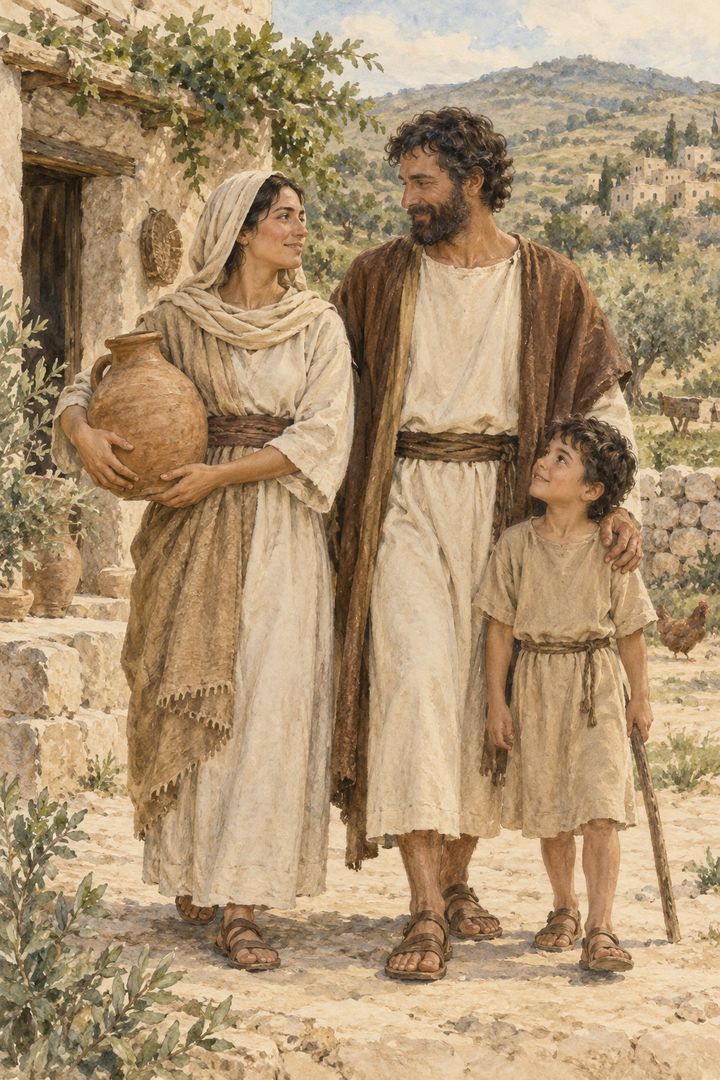
A separate community
Samaritans regarded themselves as descendants of Israel and keepers of Moses’ Law. They accepted the first five books of Scripture and honored Mount Gerizim as the place of worship.
Their origins are disputed. Second Kings 17:24–41 describes foreign settlers and mixed worship in Samaria, but does not give the whole history of the later Samaritan community.
A deep religious division
Jews and Samaritans had a long history of hostility. Their disagreement included where God should be worshiped: Mount Gerizim or Jerusalem.
The Samaritan woman was surprised when Jesus, a Jew, asked her for a drink. He spoke truthfully with her about worship and explained that true worshipers would worship the Father in spirit and truth (John 4:9, 20–24).
Jesus crossed the barrier
Jesus revealed Himself as the Messiah to that woman. Many Samaritans believed and recognized Him as the Savior of the world (John 4:25–26, 39–42).
In the parable of the Good Samaritan, Jesus made a Samaritan the example of mercy toward a wounded stranger (Luke 10:25–37).
Their place in the early church
Philip preached Christ in Samaria, and people believed and were baptized. Peter and John came and prayed for them to receive the Holy Spirit (Acts 8:5–17).
What to remember: Knowing this division helps us understand the significance of Jesus’ words and actions—and the spread of the gospel into Samaria.
The Galileans
People from Galilee, the northern region where Jesus grew up and carried out much of His ministry.
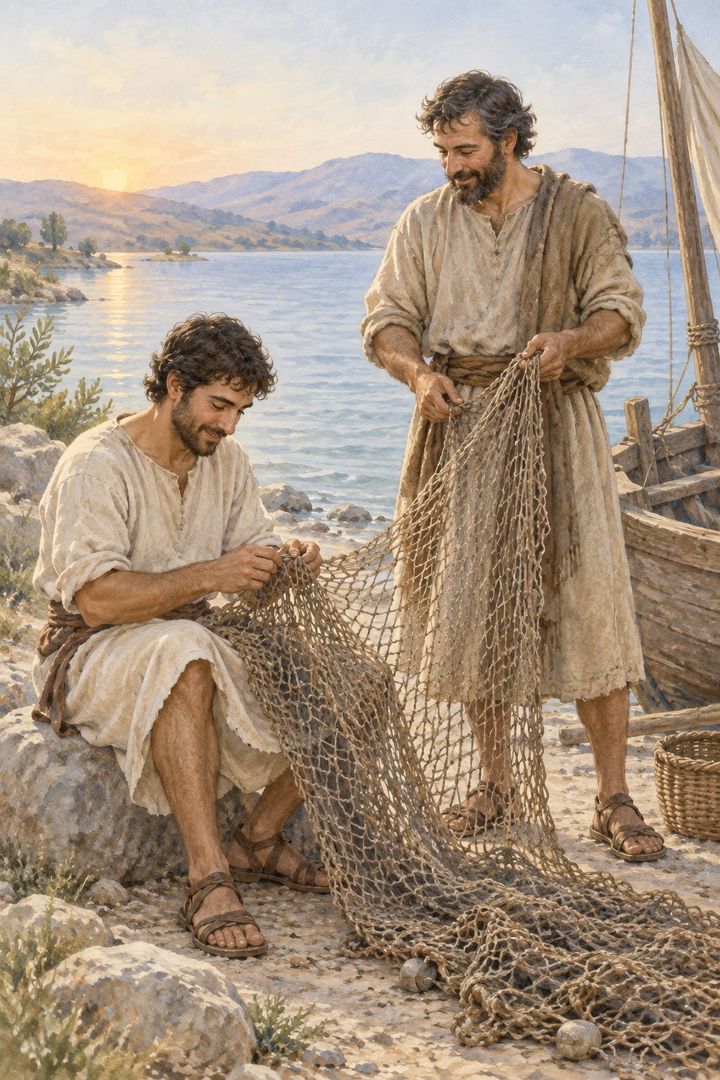
A region, not a party
Galileans were people from a place. The name did not mean they all belonged to one religious or political group.
Nazareth and Capernaum were in Galilee. Jesus taught in the region’s synagogues (Matthew 4:13, 23).
Fishing was part of life there. Peter, Andrew, James, and John worked as fishermen when Jesus called them (Matthew 4:18–22).
Recognizable—and sometimes dismissed
Galileans could be recognized by their speech. During Peter’s denial of Jesus, people noticed his accent (Matthew 26:69–73).
Some religious leaders spoke dismissively of Galilee. When Nicodemus questioned their treatment of Jesus, they used his supposed connection with Galilee against him (John 7:50–52). Their contempt should not become our judgment of everyone who lived there.
Central to Jesus’ ministry
Jesus had been brought up in Nazareth and later lived in Capernaum. He taught, proclaimed the kingdom, and healed throughout Galilee, drawing large crowds (Luke 4:16; Matthew 4:13–25).
Yet Galileans did not all welcome Him. People in His own hometown became angry and tried to kill Him (Luke 4:28–30).
Their place in the early church
At Pentecost, the crowd was amazed that Galileans were speaking in the many languages people heard (Acts 2:4–11).
What to remember: Galilee was deeply connected with Jesus’ earthly ministry and His first followers. Knowing the region helps us follow the story.
The Hellenists
Greek-speaking Jews whose language and background help explain several events in Acts.
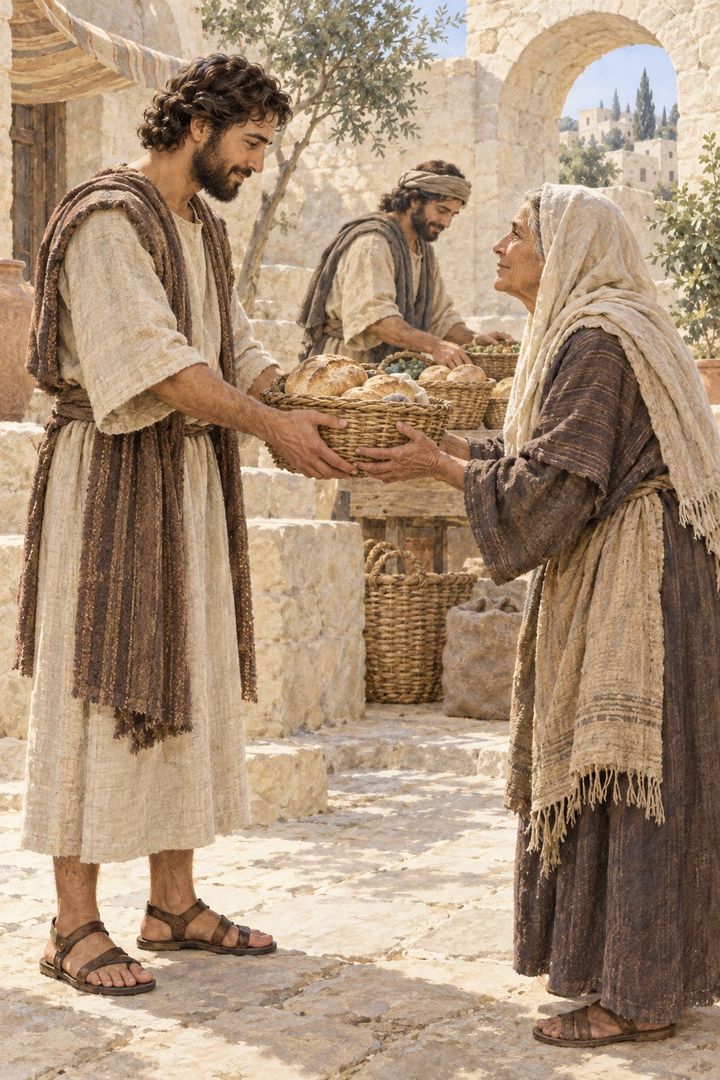
Jewish roots
Many came from Jewish communities outside Judea. Greek language and culture were part of their lives.
Speaking Greek did not make someone a Gentile or mean he had abandoned the Jewish faith.
Acts 6:1 distinguishes Greek-speaking believers from the Hebrews, generally understood as primarily Aramaic-speaking Jewish believers.
A need the church had to address
As the disciples increased, the Hellenists complained that their widows were being neglected in the daily distribution of help. Acts describes a real failure in care, not merely hurt feelings (Acts 6:1–7).
The apostles directed the believers to choose seven men of good reputation, full of the Spirit and wisdom. Stephen and Philip were among those chosen.
This allowed the need to be addressed while the apostles devoted themselves to prayer and the ministry of the Word. Care for vulnerable people belonged within the church’s life.
The name does not tell us someone’s faith
In Acts 9:28–30, Paul disputed with Greek-speaking Jews who tried to kill him. These opponents should not be confused with the Greek-speaking believers whose widows needed help in Acts 6.
Hellenist describes a language and cultural background. It does not mean that everyone bearing the name shared the same beliefs or response to Jesus.
Tax Collectors
People who collected taxes and tolls—often resented, yet repeatedly welcomed and called to repentance by Jesus.
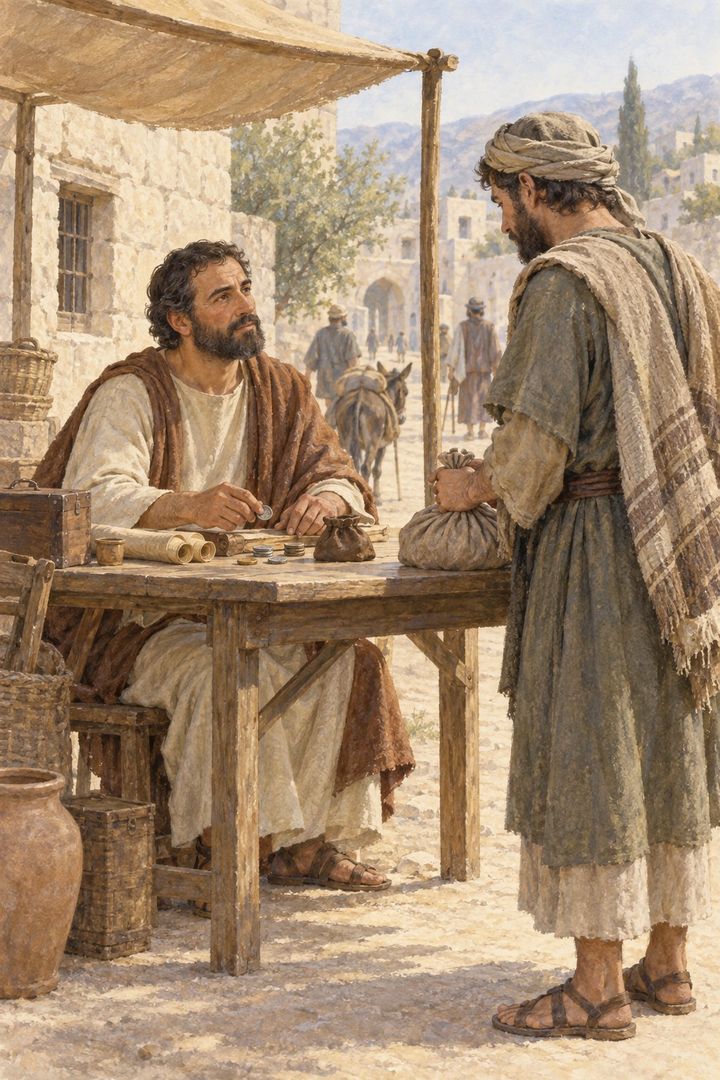
A distrusted occupation
Older translations call them publicans. They collected taxes or tolls for governing authorities, though not all worked directly for Rome.
The work offered chances to overcharge. John the Baptist told them to collect only what was authorized (Luke 3:12–13).
Zacchaeus was a wealthy chief tax collector (Luke 19:1–2).
Jesus called them to follow Him
Jesus called Matthew from his tax booth, and Matthew followed Him. When Jesus ate with tax collectors and sinners, the Pharisees questioned His disciples about it (Matthew 9:9–13).
Jesus compared His work to a physician caring for the sick. His welcome did not mean sin no longer mattered; He came to call sinners.
When Jesus visited Zacchaeus, Zacchaeus promised generosity toward the poor and repayment for fraud. Jesus announced salvation for his household and explained His mission to seek and save the lost (Luke 19:5–10).
Repentance mattered more than reputation
In Jesus’ parable, a tax collector asked God for mercy while a Pharisee praised his own conduct. Jesus said the repentant tax collector went home justified—accepted as righteous before God (Luke 18:9–14).
Jesus also told religious leaders that tax collectors and prostitutes were entering God’s kingdom ahead of them because they had believed John’s message (Matthew 21:31–32).
The Common People
The ordinary families and neighbors who formed much of the setting of Jesus’ ministry.
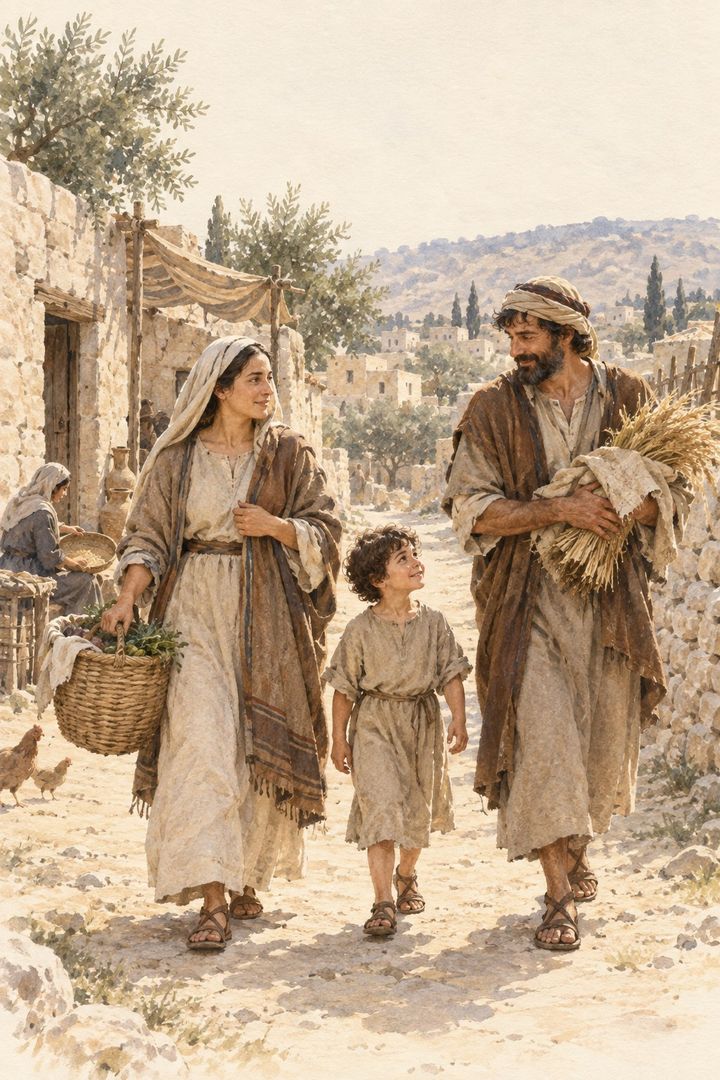
Everyday people
Not every Jewish person was a Pharisee, Sadducee, or religious official. Most lived ordinary lives of work, family, and community.
The expression “people of the land” has different meanings in different settings. Here we use common people broadly, not as the name of an organized party.
Their social standing did not measure their worth before God.
Faith within daily life
Belief in the one God and the importance of His Law shaped Jewish life. Sabbath observance and the festivals mattered, though people’s practices varied. Jesus’ parents went to Jerusalem each year for Passover (Luke 2:41).
People also faced ordinary concerns: food, work, illness, and the care of their families. Jesus saw the crowds with compassion because they were harassed and helpless, like sheep without a shepherd (Matthew 9:35–36).
Some leaders dismissed the crowd as ignorant of the Law and cursed (John 7:45–49). That was their judgment, not God’s declaration about ordinary people.
Different hopes and responses
After Jesus fed the multitude, some wanted to make Him king by force. He withdrew from them (John 6:14–15).
Later, many disciples turned back when His teaching was difficult to accept. Peter, however, affirmed that Jesus had the words of eternal life (John 6:60–69).
Who’s Who in the New Testament →The New Testament Timeline →